






































Rising data centre demand pushes natural gas power plant costs up by 66%
Surging data centre demand is driving a 66% increase in natural gas power plant costs, highlighting growing pressure on energy infrastructure and supply.
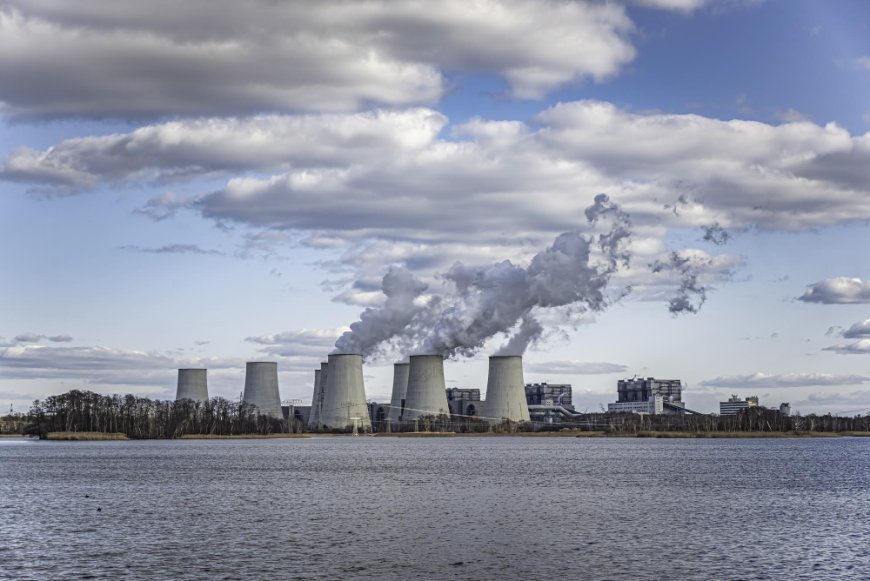
The rapid expansion of data centres is reshaping the energy landscape, with major technology companies such as Microsoft and Meta increasingly turning to natural gas–powered facilities to meet growing electricity needs. However, this surge in demand is also driving up the cost of building such infrastructure.
According to a recent report from BloombergNEF, the cost of constructing a combined-cycle gas turbine (CCGT) power plant has risen sharply, by 66% over the past two years. In 2023, costs were below $1,500 per kilowatt of generating capacity, but by last year they had climbed to $2,157 per kilowatt. In addition to higher costs, construction timelines have also extended, with projects now taking approximately 23% longer to complete.
This trend comes despite relatively low natural gas prices in the United States, even amid geopolitical tensions such as the ongoing conflict involving Iran. The primary driver behind rising construction costs is the growing electricity demand, fueled in large part by the rapid expansion of data centres.
Data centres have become one of the fastest-growing consumers of power, prompting not only technology companies but also utilities to invest in new energy generation capacity. At the same time, policy guidance from the administration of Donald Trump has encouraged operators to develop their own power sources. Utilities, meanwhile, often pass the cost of new infrastructure on to customers, contributing to growing public resistance to large-scale data centre projects.
Although data centres are not the sole factor driving increased electricity demand, they are among the most significant contributors. Projections suggest that demand from this sector could grow to 2.7 times its current level, rising from approximately 40 gigawatts today to 106 gigawatts by 2035. This growth is also linked to the increasing size of facilities, with many new data centres expected to exceed 100 megawatts in capacity, compared to just 10% of facilities today that are 50 megawatts or larger.
Until recently, many technology companies relied on grid-connected data centres powered by renewable energy through power purchase agreements for wind, solar, and battery storage. However, rising energy demand and mounting public opposition have led to renewed interest in natural gas–based solutions.
The surge in demand for natural gas infrastructure has also created supply constraints, particularly for gas turbines, which are a critical component of these power plants and can account for up to 30% of total construction costs. By the end of this year, turbine prices are expected to be approximately 195% higher than they were in 2019. Manufacturing these turbines is complex and difficult to scale quickly, resulting in extended wait times that now stretch into the early 2030s.
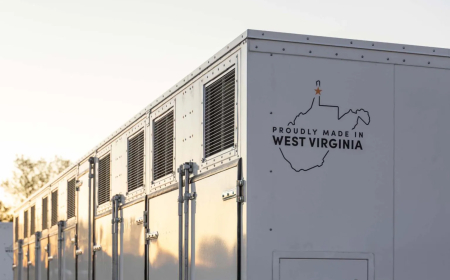
Not all companies are committing fully to natural gas, however. Google is exploring alternative approaches to expanding energy capacity, focusing on renewable sources paired with long-duration energy storage. One example is the use of iron-air batteries developed by Form Energy, which can deliver electricity for up to 100 hours. Unlike gas-based infrastructure, technologies such as solar power and battery storage have continued to decline in cost over time, offering a potential counterbalance to the rising expenses associated with natural gas power plants.
What's Your Reaction?
 Like
0
Like
0
 Dislike
0
Dislike
0
 Love
0
Love
0
 Funny
0
Funny
0
 Angry
0
Angry
0
 Sad
0
Sad
0
 Wow
0
Wow
0