



























Why Elon Musk Is Shifting Away From Earth-Based Solar Energy Projects
Elon Musk’s recent business focus suggests a move away from large-scale solar power expansion on Earth. Explore Tesla’s changing priorities, the status of Solar Roof and solar energy projects, and what this means for the renewable energy industry.
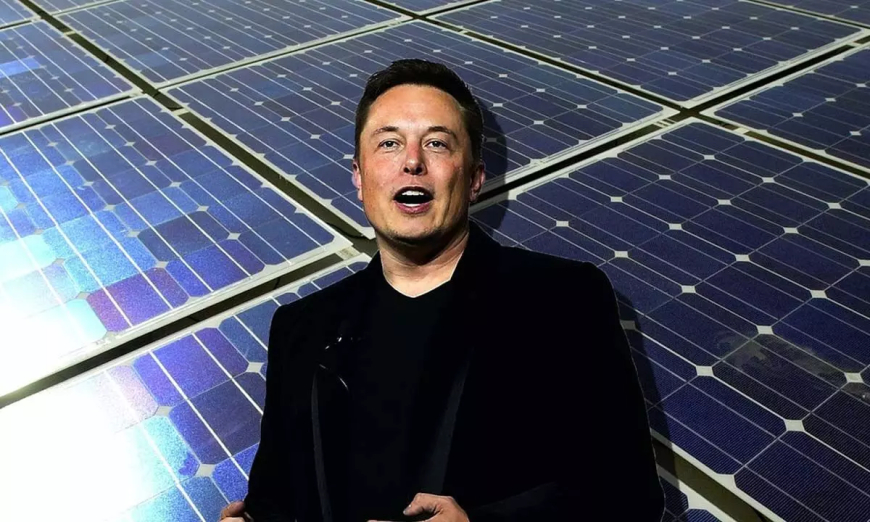
For years, Elon Musk promoted a future built around electrification and renewable energy. Through multiple Tesla Master Plans, the central message remained consistent: reducing dependence on fossil fuels and accelerating the transition to a solar-powered economy. However, recent developments involving Musk’s companies have prompted questions about whether that vision is evolving in a different direction.
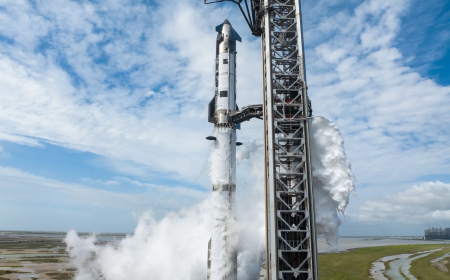
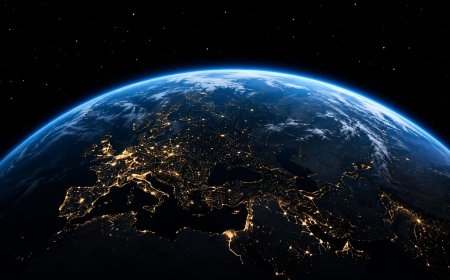
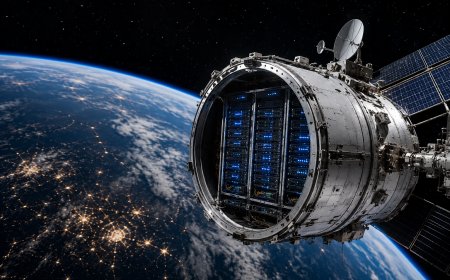
The latest discussion follows the public release of SpaceX’s IPO filing, which places significant emphasis on space-based energy systems and orbital infrastructure while offering comparatively little attention to traditional solar power projects on Earth. The filing highlights the company’s belief that solar arrays in space could generate substantially more energy than terrestrial systems because they can receive sunlight continuously, without interruptions from weather or nighttime.
At the same time, xAI has increasingly relied on natural gas-powered turbines to support its growing datacenter operations. The company has reportedly invested heavily in power infrastructure and energy storage systems, including large purchases of Tesla Megapack battery units. Yet there has been little indication of major solar deployments connected to these facilities.
This contrast has fueled debate about how Musk’s current strategy aligns with the goals outlined in Tesla’s earlier plans. Tesla’s first Master Plan described a long-term transition away from a hydrocarbon-based economy toward one powered by solar electricity. More recently, Tesla’s Master Plan Part 3 outlined a roadmap to eliminate fossil fuel dependence through renewable energy and electrification.
SpaceX’s filing suggests that the company sees space-based solar generation as a potential long-term solution to the rapidly growing energy demands of artificial intelligence. Company executives argue that future AI systems may require far more computing power than existing terrestrial infrastructure can support. The filing references expectations of massive annual growth in AI-related computing demand, which could create unprecedented pressure on global power supplies.
Supporters of space-based solar energy argue that orbiting power systems could provide continuous power generation and help overcome some of the limitations of large-scale infrastructure projects on Earth. Interest in the concept has grown among technology leaders as AI development accelerates and concerns about future electricity demand increase.
However, major challenges remain. Launching hardware into orbit remains expensive, and operating large-scale computing infrastructure in space presents technical and economic hurdles. Questions also remain about manufacturing capacity, maintenance, radiation protection, and the efficient distribution of advanced AI workloads across space-based systems.
Critics argue that while space-based energy may hold promise, significant opportunities to expand solar power still exist on Earth today. Improvements in solar generation, battery storage, and electrical grids continue to create new pathways for reducing emissions without relying on unproven orbital infrastructure.
The debate ultimately reflects a broader tension between near-term practical solutions and long-term technological ambitions. Musk’s companies are increasingly focused on ambitious projects that stretch beyond Earth, but many observers note that existing renewable technologies still offer substantial untapped potential.
As AI-driven energy demand continues to grow and SpaceX advances its vision for space-based infrastructure, the balance between terrestrial clean energy investments and future orbital systems is likely to remain a central topic of discussion. Whether these strategies complement one another or represent a shift away from earlier renewable-energy priorities will become clearer in the years ahead.
Tags:
What's Your Reaction?
Like
0
Dislike
0
Love
0
Funny
0
Angry
0
Sad
0
Wow
0