Last week, Grammarly introduced a controversial feature that used AI to imitate editorial feedback, presenting it as though users were receiving critiques from figures such as novelist Stephen King, the late scientist Carl Sagan, or tech journalist Kara Swisher. But the company did not obtain permission from the hundreds of experts whose names were included in the feature, known as “Expert Review.”
One of the writers affected by the feature, journalist Julia Angwin, has now filed a class-action lawsuit against Superhuman, the parent company that owns Grammarly, alleging that the company violated the privacy and publicity rights of both her and the other writers it impersonated. By filing the case as a class action, other writers who were included in the feature can join Angwin’s lawsuit.
“I have worked for decades honing my skills as a writer and editor, and I am distressed to discover that a tech company is selling an imposter version of my hard-earned expertise,” Angwin said in a statement.
There is a notable irony in the situation. Angwin has spent much of her career leading investigations into the privacy impact of technology companies. Other prominent critics of this type of AI technology, including well-known AI ethicist Timnit Gebru, were also featured in Grammarly’s “Expert Review” feature.
The tool, which was only available to subscribers paying $144 per year, has fallen far short of its promise to provide thoughtful or meaningful editorial feedback.
Casey Newton, founder and editor of the tech newsletter Platformer and another person imitated by Grammarly, tested the feature by feeding one of his own articles into the system and receiving comments from Grammarly’s approximation of Kara Swisher. The output from the fake Swisher was so vague and generic that it raised the question of why Grammarly went to the trouble of using the names and identities of real writers in the first place.
This is what Grammarly’s version of Kara Swisher told him: “Could you briefly compare how daily AI users versus AI sceptics articulate risk, creating a through-line readers can follow?”
Newton then passed that message along from the AI-generated version of Kara Swisher to the actual Kara Swisher herself.
“You rapacious information and identity thieves better get ready for me to go full McConaughey on you,” Swisher texted Newton, referring to Grammarly. “Also, you suck.”
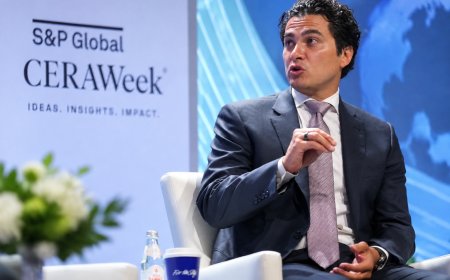
According to a LinkedIn post from Superhuman CEO Shishir Mehrotra, Grammarly has since turned off the “Expert Review” feature. While Mehrotra did apologise, he still defended the broader concept behind the tool.
“Imagine your professor sharpening your essay, your sales leader reshaping a customer pitch, a thoughtful critic challenging your arguments, or a leading expert elevating your proposal,” he wrote. “For experts, this is a chance to build that same ubiquitous bond with users, much like Grammarly has.”






































 Like
0
Like
0
 Dislike
0
Dislike
0
 Love
0
Love
0
 Funny
0
Funny
0
 Angry
0
Angry
0
 Sad
0
Sad
0
 Wow
0
Wow
0