






































Google and Tesla think we’re managing the electrical grid all wrong
Google and Tesla push for a smarter, more flexible approach to managing the power grid
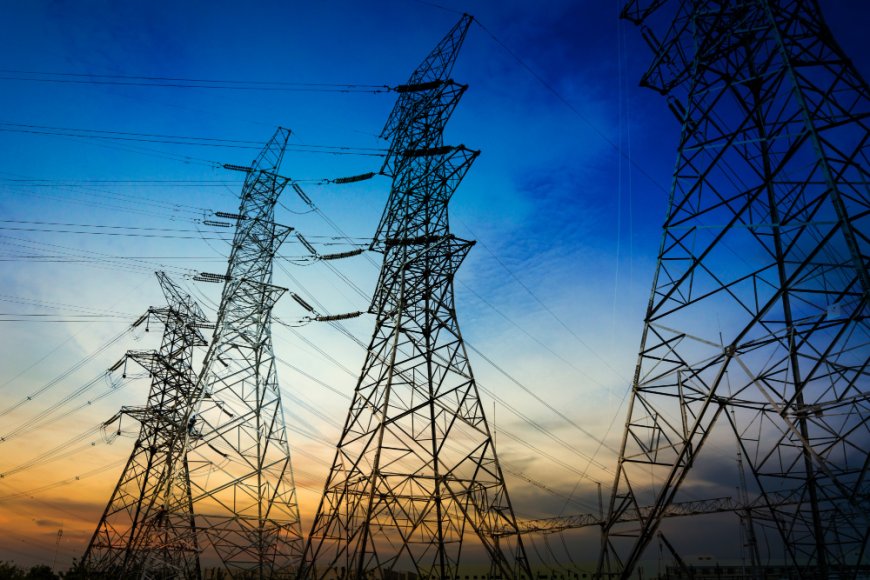
Google, Tesla, and data centre developer Verrus are part of a wider group of companies making the case that the electrical grid is not being used as efficiently as it could be, and they want that message to reach everyone, especially lawmakers and policymakers.
Those three companies, together with HVAC giant Carrier, virtual power plant company Renew Home, distributed energy resource developer Sparkfund, and smart electrical panel startup Span, have launched a new group called Utilise to advance that argument. The organisation, which officially launched on Tuesday, is calling for changes to how the electrical grid is built and operated. The group correctly says that the grid is designed to handle short bursts of peak demand, while much of the time, a large amount of available capacity goes unused. Utilisee argues that this should no longer be the case. According to the group, smarter approaches to using that spare capacity already exist. Utilise points to several of those options by name, such as battery storage, demand response, and virtual power plants. All of these technologies have emerged in large numbers over the past decade, yet they remain underused. That idea is also reflected in the group’s name.
In many situations, these newer technologies are already helping improve the resilience of the grid. Texas offers one example, where the grid has performed better during recent cold snaps after battery storage capacity increased across the state. Even so, many regulators and political leaders continue to treat these newer tools with caution, often choosing to rely instead on more familiar systems, such as centralised fossil-fuel power plants.
Utilise says it plans to “advocate for policies” to support much broader adoption of these technologies, which would also benefit the companies involved in the effort.
Each company in the group represents a specific part of the energy system. On the supply side, Tesla sells batteries and solar panels; Span makes an electrical panel that responds to shifting loads; Carrier produces heat pumps; and Sparkfund and Renew Home develop and combine distributed energy resources. On the demand side, Google and Verrus both require enormous amounts of electricity to keep their server infrastructure running.
The group describes itself as a “coalition,” which leaves room for a broad interpretation of what that means in practice. Utilise is already pointing to one legislative success, saying that “some members of Utilise” supported a bill in Virginia that would require utilities to measure and reveal how the grid is being used.
That phrasing suggests that although Utilise may be working to influence policy, it is probably not directly lobbying at this stage, or at least not yet.
Advocacy groups are nothing new in the utility industry, but the mix of emerging technology companies alongside energy buyers and sellers makes Utilise stand out. Efforts to reshape grid regulation are likely to take time, but the group believes that waiting any longer would make the challenge even harder.
What's Your Reaction?
 Like
0
Like
0
 Dislike
0
Dislike
0
 Love
0
Love
0
 Funny
0
Funny
0
 Angry
0
Angry
0
 Sad
0
Sad
0
 Wow
0
Wow
0