

































Kalshi penalizes MrBeast editor over insider trading on creator-linked prediction markets
Kalshi fined an editor connected to MrBeast for insider trading on prediction markets tied to the YouTube star, raising questions about compliance and market integrity.

Kalshi, a prediction market platform, says an editor who works for YouTube’s biggest creator, MrBeast, engaged in insider trading on the site.
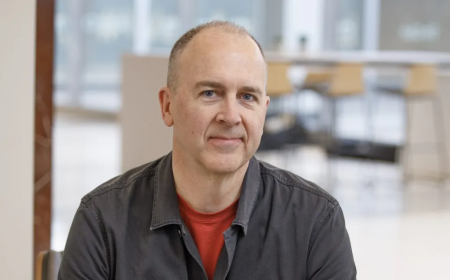
After completing an internal review, Kalshi said it “found reasonable cause” to believe that the editor, Artem Kaptur, used material, non-public information related to upcoming MrBeast videos to guide trades connected to the MrBeast YouTube channel.
Prediction markets such as Kalshi and rival Polymarket let users wager on a wide range of future outcomes — from election results to how many albums an artist might sell in a given week, to when a sequel to a major movie franchise could be announced.
Kalshi did not identify the exact markets Kaptur traded. Still, the platform offers markets where users bet on what words MrBeast will say in an upcoming video — information a video editor could realistically have access to and potentially even influence. Other MrBeast-related markets on Kalshi have included bets on when MrBeast will get married or when his company, Beast Industries, might announce an IPO.
A spokesperson for Beast Industries said that the company does not tolerate this kind of conduct and that the expectation applies to employees as well as contestants on MrBeast’s Amazon Prime show, “Beast Games.” The spokesperson added that contestants are informed that if they possess confidential information, they are not allowed to participate in related prediction markets.
“About this particular matter, we’ve already initiated an independent investigation as part of our overall ongoing efforts to ensure the integrity of our workplace and trust with our global audiences,” the spokesperson said. “We welcome Kalshi — and hopefully others in the space — also taking this issue seriously, but it only works if they are willing to communicate their findings, so we’re hopeful they’ll be more open to that in the future.”
Kalshi said Kaptur traded about $4,000 on YouTube streaming markets in August and September 2025. Kalshi reported earning $5,397.58 in profit, and the company fined him for that amount, plus an additional $15,000 penalty. Kalshi also imposed a two-year ban on Kaptur. In its blog post, Kalshi said it will donate the fine to a nonprofit focused on consumer education.
Kalshi also announced that it had penalised Kyle Langford, a candidate for political office in California, saying he traded roughly $200 in markets tied to his own candidacy and then posted about it on social media.
Because prediction markets span so many topics and categories, it can be difficult to prevent traders from using private or inside knowledge to gain an advantage — even though platform rules prohibit that behaviour. In securities markets, comparable conduct can carry severe consequences, including penalties of up to 20 years in federal prison.
Concerns about the potential for manipulation of prediction markets have increasingly caught the attention of U.S. lawmakers.
Last month, a Polymarket user placed a suspicious $32,000 bet that Venezuelan President Nicolás Maduro would be removed from power by the end of January. Just hours later, the U.S. military captured Maduro, and the user reportedly collected a $400,000 payout.
Following that incident, Representative Ritchie Torres (D-NY) introduced legislation to prohibit government employees from trading in prediction markets tied to government policy, actions, or political outcomes.
Kalshi CEO Tarek Mansour said in a LinkedIn post last month that he supports the proposal, noting that Kalshi already follows the rules the bill would establish. Mansour also argued that alleged insider trading issues are not happening on U.S.-based platforms — even though both Kalshi and Polymarket are headquartered in the United States.
“This American bill only applies to regulated American companies and not to unregulated, non-American companies, which is where the alleged issues are occurring,” Mansour wrote. “Prediction markets, like any industry, are not a monolith: there are important distinctions that matter.”
What's Your Reaction?
 Like
0
Like
0
 Dislike
0
Dislike
0
 Love
0
Love
0
 Funny
0
Funny
0
 Angry
0
Angry
0
 Sad
0
Sad
0
 Wow
0
Wow
0