
































Google’s Universal Cart aims to track shoppers across multiple online stores
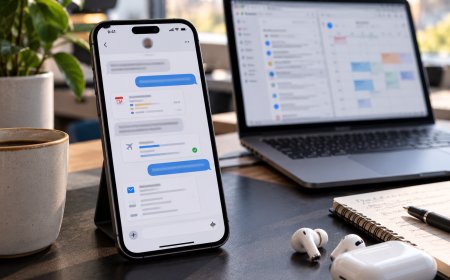
Google’s Universal Cart is designed to keep track of shopping activity across websites, helping users manage products, compare options, and complete purchases more easily.
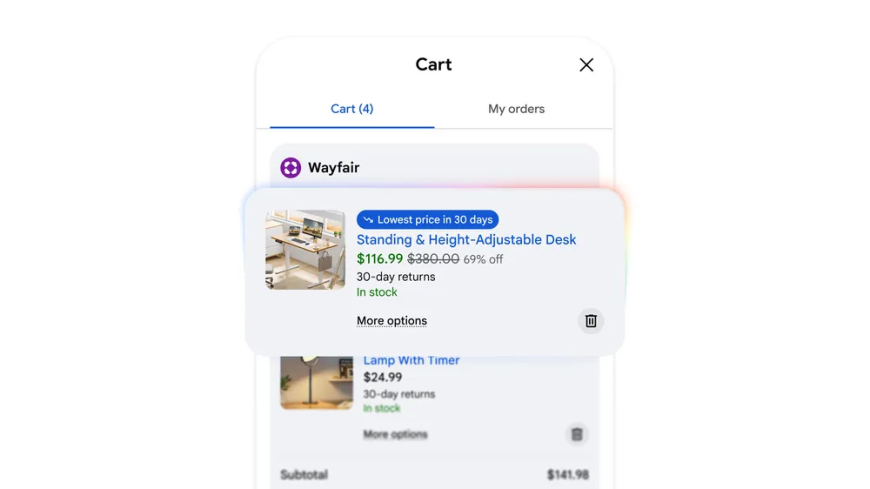
At its Google I/O developer conference, Google unveiled Universal Cart, a new AI-powered shopping hub designed to help consumers manage products and purchases across multiple retailers and platforms from a single location. Alongside the launch, the company announced enhancements to its Agent Payments Protocol (AP2). It revealed plans to bring the technology to Google products in the coming months, allowing users to authorise AI agents to complete purchases on their behalf under predefined conditions.
The announcements represent Google's latest effort to expand the role of artificial intelligence in digital commerce. Rather than limiting AI assistants to recommending products or answering shopping-related questions, the company is working toward making AI systems active participants throughout the purchasing process. By introducing a centralised shopping environment and creating infrastructure that supports autonomous transactions, Google is positioning itself to play a larger role in how consumers discover, evaluate, and buy products online.
At the centre of the initiative is Universal Cart, which lets you save products you are considering from different Google services and manage them all in one place. Whether browsing Google Search results, interacting with Gemini, watching content on YouTube, or reviewing messages in Gmail, users can add products to Universal Cart and track them over time.
Once items have been saved, the system continuously monitors important shopping information. Google says Universal Cart can track discounts, identify price drops, provide historical pricing data, and notify users when previously unavailable products return in stock. The feature is designed to help shoppers make more informed purchasing decisions without requiring them to visit multiple websites.
The concept reflects shopping behaviour that Google has observed for years. Consumers frequently browse products across multiple retailers, compare options on different devices, and make purchasing decisions over several days or even weeks rather than completing transactions immediately. Universal Cart is intended to bring all of those activities together into a single experience.
In addition to monitoring products, the system uses artificial intelligence to provide shopping assistance. Google demonstrated a scenario in which a customer assembles a custom-built personal computer. By adding components from different merchants into a single unified cart, users can receive guidance from the system regarding potential compatibility issues
For example, if a selected processor is incompatible with a chosen motherboard, Universal Cart can identify the issue and suggest alternative components that would work correctly together. Google believes these types of recommendations can reduce purchasing mistakes and simplify more complex shopping decisions.
The company also highlighted potential benefits for frequent travellers and consumers who actively manage rewards programs. Because Universal Cart is integrated with Google Wallet, the feature helps you maximise reward points, find savings, and get more value from loyalty programs and payment benefits.
Underlying the system is Google's Universal Commerce Protocol (UCP), an open-standard framework designed to facilitate commerce experiences across multiple merchants and platforms. Through UCP, shoppers can complete purchases directly through Google when supported by participating retailers. Alternatively, users can transfer products from Universal Cart to a merchant's website and finalise the transaction there if they prefer.
Google confirmed that Universal Cart is launching in the United States beginning today. The company also plans to expand the feature across additional products throughout the year. Integration with the Gemini application is scheduled for this summer, while support for YouTube and Gmail will follow later.
At the same time, Google announced broader expansion plans for the Universal Commerce Protocol itself. The framework, which currently supports a variety of retail shopping experiences, is being extended into additional categories such as hotel bookings and local food delivery services.
Geographic expansion is also underway. UCP-powered shopping experiences are expected to become available in Canada and Australia in the coming months. Following those launches, Google plans to extend support to the United Kingdom as well.
While Universal Cart received significant attention, the company's Agent Payments Protocol may ultimately have even greater implications for the future of online commerce.
AP2 is a framework developed by Google that enables AI agents to securely conduct transactions on behalf of users while operating within clearly defined boundaries set by the consumer. During the conference, Google outlined several safeguards designed to ensure users remain in control of spending decisions.
Consumers can specify parameters such as preferred brands, desired products, and maximum spending limits. Once those conditions are defined, an AI agent can automatically complete a purchase when the criteria are met.
For example, a user could instruct an agent to purchase a particular product if the price falls below a specific threshold. When the desired price is available, the agent can complete the transaction without additional manual approval.
Google indicated that AP2 will be incorporated into its own products in the coming months. This integration could significantly expand the company's visibility into consumer purchasing behaviour by providing insight into which products users discover, evaluate, save, and ultimately purchase. Such visibility could strengthen Google's influence in the commerce ecosystem, making the initiative especially relevant for retailers, advertisers, payment providers, and other participants in the online shopping industry.
From a technical perspective, AP2 is designed to establish a secure and transparent relationship among users, merchants, and payment processors. Google says the protocol establishes verifiable connections among all parties involved in a transaction while protecting sensitive information through encryption.
The company also emphasised accountability and transparency as central components of the system. AP2 includes tamper-resistant digital records that verify that an agent is acting according to the user's instructions. These records help ensure that autonomous purchasing decisions remain aligned with consumer preferences and authorisation settings.
In addition, the protocol maintains a permanent audit trail documenting each transaction and the actions taken by the AI agent. Both consumers and merchants can reference these records later if questions arise regarding purchases, refunds, returns, or disputes.
By combining Universal Cart, the Universal Commerce Protocol, and the Agent Payments Protocol, Google is building a broader infrastructure to transform how online shopping works in an AI-driven environment. Our vision goes beyond helping users find products; we build systems that track shopping activity, provide recommendations, manage purchase decisions, and complete transactions on consumers' behalf.
As AI becomes more integrated into commerce, Google's latest announcements show the company aims to be central to the shopping journey—from discovery and evaluation to payment and post-purchase—while giving users new tools to navigate complex online marketplaces.
What's Your Reaction?
 Like
0
Like
0
 Dislike
0
Dislike
0
 Love
0
Love
0
 Funny
0
Funny
0
 Angry
0
Angry
0
 Sad
0
Sad
0
 Wow
0
Wow
0