



































SpaceX’s Starship Reusability Goals Face New Questions After S-1 Test
SpaceX’s Starship program faces fresh challenges after the S-1 test raised concerns about rapid reusability, reliability, and the timelines for future deep-space missions.
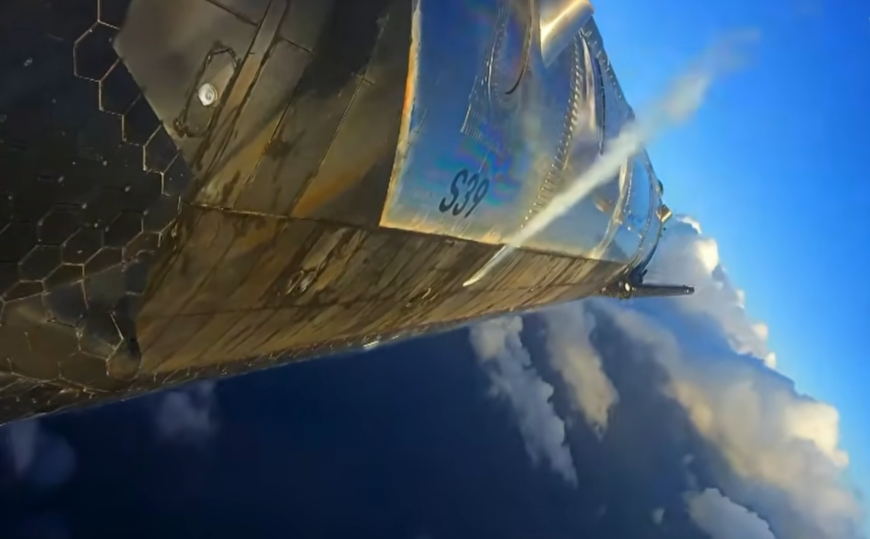
SpaceX’s recent IPO filing and the latest Starship test flight have offered a clearer look at the company’s near-term future — one that may challenge expectations from both supporters and critics of Elon Musk’s space ambitions.
While SpaceX continues promoting massive AI infrastructure plans, lunar ambitions, and future space-based industries, the company’s latest disclosures suggest a more grounded reality. An expendable version of Starship may still support SpaceX’s business operations, but without full reusability, the rocket may struggle to deliver the dramatic cost reductions Musk has long promised.
At present, Starlink remains the financial backbone of SpaceX. According to the company’s S-1 filing, Starlink generated roughly $11.4 billion in revenue last year, making it by far the company’s most important source of income.
However, the filing also highlights the enormous operational costs involved in maintaining the satellite network. SpaceX currently needs to replace roughly 20% of Starlink satellites each year to sustain its existing service levels. Since the start of 2023, the company says it has invested more money into Starlink infrastructure and satellites than into building Starship and related launch systems.
SpaceX believes future technological improvements will eventually reduce those costs as a percentage of revenue. Musk has repeatedly described Starship as essential to lowering Starlink’s operating expenses, even warning in the past that the company could face financial trouble if it cannot launch replacement satellites cheaply enough.
One detail in the IPO filing drew particular attention from analysts: SpaceX acknowledged for the first time that fully reusable Starship launches are not strictly required to deploy the next generation of Starlink satellites. However, analysts argue that expendable launches would significantly increase costs and reduce the economic advantages SpaceX has been counting on.
Satellite industry analyst Tim Farrar noted that if Starship cannot achieve rapid full reusability, launch costs may remain much closer to current Falcon 9 pricing than previously expected. He estimated launch costs could remain near $100 million per mission if production and refurbishment rates remain constrained.
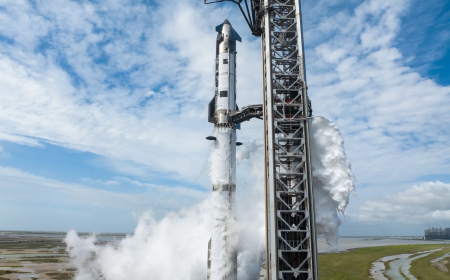
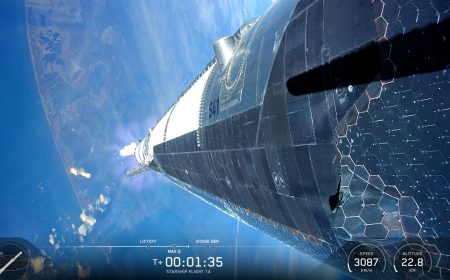
The latest Starship V3 test flight appeared to reinforce some of those concerns. During the launch, both the booster and the upper-stage vehicle experienced problems reigniting their Raptor engines for controlled return operations — a critical requirement for reusable missions.
Still, the flight successfully deployed dummy satellites and two experimental payloads into orbit, demonstrating that Starship can at least serve as a high-capacity delivery system even without perfect recovery performance.
That outcome may help explain why SpaceX expects to begin launching a new generation of higher-capacity Starlink satellites later this year. The company believes Starship could eventually deploy up to 60 satellites at a time — roughly twenty times the capacity of a single Falcon 9 mission.
Some analysts now suspect those early missions may rely on expendable Starship launches until reusability improves. If that happens, Starlink’s profitability could face greater pressure than investors may have anticipated, particularly as SpaceX continues funding ambitious AI and space infrastructure projects.
The filing also indicates that Starlink’s growth may be beginning to slow.
Although Starlink now serves more than 10 million subscribers globally, analysts say customer growth during the first quarter of 2026 slowed compared to previous periods. Space consulting firm Quilty Space previously projected that Starlink could reach 16.8 million subscribers by the end of the year, but achieving that target would require a significant acceleration in growth.
At the same time, Starlink’s average revenue per user has declined from around $99 in 2023 to approximately $66 during the first quarter of 2026. The decrease is largely tied to international expansion into lower-priced markets where consumers cannot pay the same rates as customers in wealthier economies.
Competition is also increasing. Amazon’s Project Kuiper satellite network continues to expand and could eventually become a more serious rival to Starlink as deployment scales further.
The broader takeaway from the filing is that even SpaceX — widely viewed as the dominant player in satellite internet and commercial launch services — may face a more limited long-term market than many in the industry originally expected.
For SpaceX, achieving full Starship reusability remains central not only to its Mars ambitions but also to the economics of keeping Starlink profitable as competition rises and growth slows.
What's Your Reaction?
 Like
0
Like
0
 Dislike
0
Dislike
0
 Love
0
Love
0
 Funny
0
Funny
0
 Angry
0
Angry
0
 Sad
0
Sad
0
 Wow
0
Wow
0