



























Rivian delays 2027 profit target to invest more in autonomous driving
Rivian has pushed back its 2027 profitability goal as it increases investment in autonomous driving technology to stay competitive in the evolving EV market.
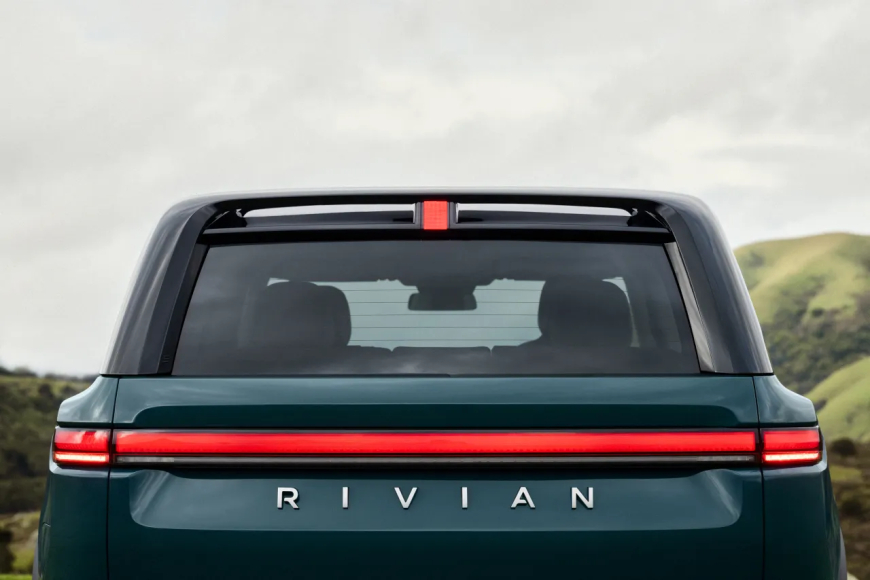
Rivian has announced that it no longer expects to achieve its long-anticipated profitability target in 2027, citing increased spending on its autonomous driving initiatives. The company disclosed on Thursday that it does not anticipate achieving positive EBITDA (earnings before interest, taxes, depreciation, and amortisation) by next year, as its research and development costs continue to rise amid accelerated efforts in self-driving technology.
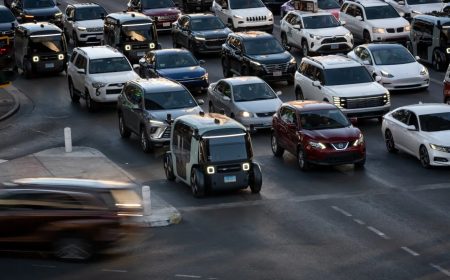
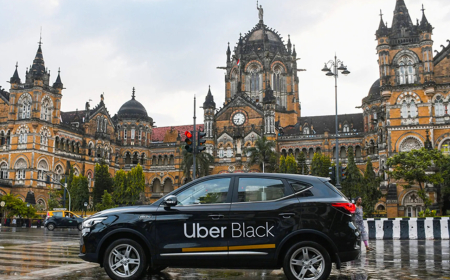
This update was included in a broader filing that primarily focused on Rivian’s newly announced partnership with Uber to develop robotaxi versions of its upcoming R2 SUV for Uber’s network.
Rivian had previously communicated to investors that it aimed to achieve positive EBITDA in 2027, contingent on the successful launch of the R2 SUV and growth in its software-related revenue streams. However, several external factors have complicated that path. These include the discontinuation of the federal electric vehicle tax credit, reduced opportunities to generate revenue from regulatory credit sales, and increased costs due to tariffs imposed during President Trump’s administration.
These challenges have made it more difficult for Rivian to reach profitability. Analysts had already begun expressing scepticism. In February, UBS analyst Joseph Spak noted that he did not expect the company to achieve positive EBITDA for several years. Rivian also reported that it had accumulated total net losses of $27 billion from its founding in 2009 through the end of 2025.
Despite these pressures, the primary reason for delaying the profitability goal is the company’s substantial investment in autonomous driving technology. Founder and CEO RJ Scaringe has indicated that Rivian is currently allocating more resources to autonomy-related research and development than to any other area.
According to the company’s annual filing, Rivian spent $1.7 billion on research and development in 2025, compared to $1.6 billion in 2024. The increase was attributed to higher costs for engineering, design, development, prototyping, and software, particularly to support the R2 launch and the company’s AI and autonomy initiatives.
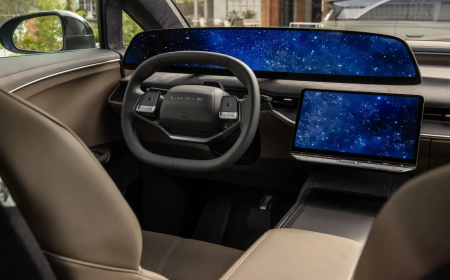
Rivian is developing its own “large driving model” and has created custom hardware, including a proprietary processor and an “autonomy computer,” to support its software systems. The company aims to introduce hands-off, eyes-off driving capabilities as early as next year and ultimately reach what it calls “personal L4” autonomy — a level defined by the Society of Automotive Engineers in which a vehicle can operate independently under specific conditions without human intervention.
Many of these efforts were outlined in detail during Rivian’s first “Autonomy & AI Day” in December, where Scaringe showcased the company’s progress to investors and media at its Silicon Valley campus, including demonstrations of its current driver-assistance technology.
The newly announced partnership with Uber represents an additional layer of investment and development. The agreement includes a potential $1.25 billion investment from Uber and the option to purchase up to 50,000 R2 vehicles. However, Uber’s initial commitment is $300 million, with an initial order of 10,000 vehicles. Much of the deal’s financial impact is expected to materialise closer to 2030.
Rivian also faces several major capital expenditures in the near future. The company plans to begin construction of a new manufacturing facility in Georgia this year and is preparing to start production of the R2 SUV in the coming months.
In February, Rivian informed investors that it expects total spending for the year to fall between $1.95 billion and $2.05 billion, reflecting the scale of its ongoing investments.
What's Your Reaction?
 Like
0
Like
0
 Dislike
0
Dislike
0
 Love
0
Love
0
 Funny
0
Funny
0
 Angry
0
Angry
0
 Sad
0
Sad
0
 Wow
0
Wow
0