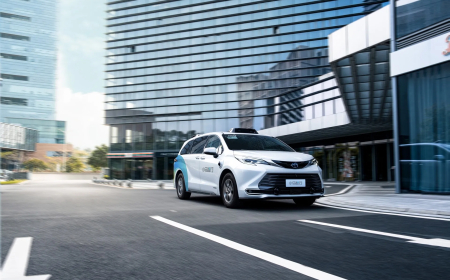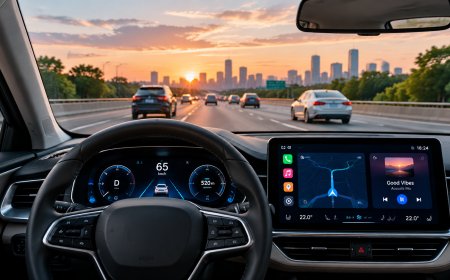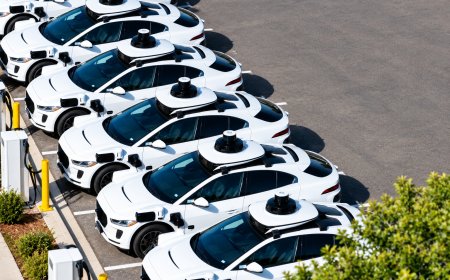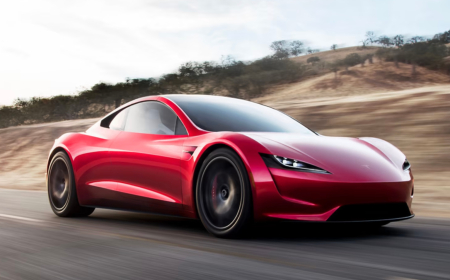























Robotaxi firms decline to reveal how often autonomous vehicles need human intervention
Robotaxi companies are avoiding disclosure on how frequently their autonomous vehicles require remote human assistance, raising transparency concerns.
In February, U.S. Senator Ed Markey sent formal inquiries to seven companies developing autonomous vehicle technology, requesting detailed information about their operations. A key focus of his questions was how frequently their vehicles depend on guidance from remote human operators. According to findings released Tuesday, none of the companies provided a clear answer.
The companies contacted included Aurora Innovation, May Mobility, Motional, Nuro, Tesla, Waymo, and Zoox. All declined to disclose how often their systems require input from remote assistance personnel.
The report published by Markey’s office highlights what it describes as a significant lack of transparency across the autonomous vehicle industry. It points to inconsistencies in safety practices, including differences in operator qualifications, response times, and the use of overseas staff, all taking place in the absence of unified federal standards.
“This report has revealed a stunning lack of transparency from the AV companies around their use of remote assistance operators to help guide their vehicles,” Markey’s office stated. “The investigation exposed a patchwork of safety practices across the industry, with significant variation in operator qualifications, response times, and overseas staffing, all without any federal standards governing these operations.”
Following the findings, Markey said he is urging the National Highway Traffic Safety Administration to investigate how these companies utilise remote assistance workers. He also indicated that he is working on potential legislation to introduce stricter controls on how autonomous vehicle companies deploy remote operators.
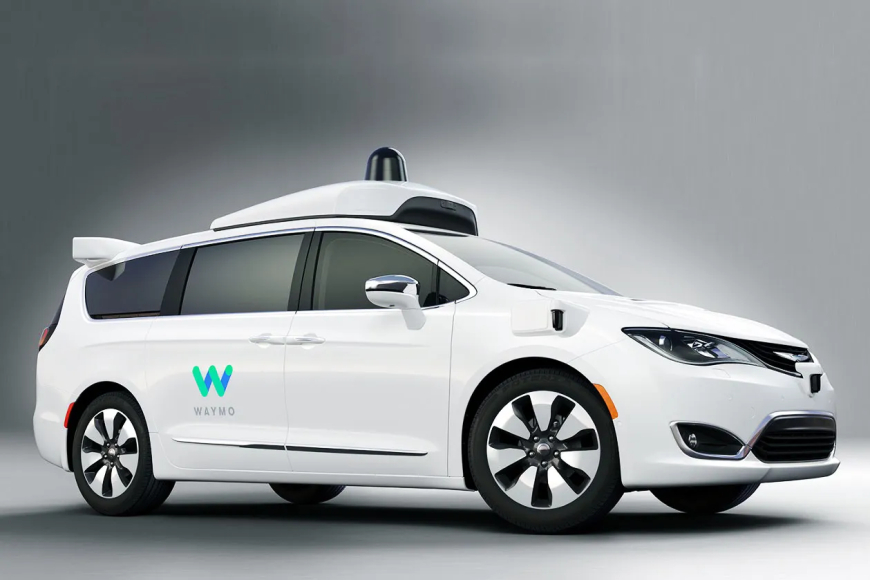
The inquiry was initiated after a Senate Commerce Committee hearing on the future of self-driving vehicles. During that session, Mauricio Peña, chief safety officer at Waymo, explained that the company’s vehicles occasionally require assistance from remote staff when encountering complex or unexpected situations. He also disclosed that roughly half of Waymo’s remote assistance workforce is based in the Philippines.
While autonomous vehicle companies have acknowledged the need for remote assistance systems, such discussions were often limited or theoretical in the earlier stages of development. With many companies now operating commercial robotaxi services or autonomous trucking systems, scrutiny of these practices has increased.
After the hearing, Markey’s office sent each company a list of 14 detailed questions covering areas such as how often remote operators intervene, the size and location of these teams, licensing requirements, and security protocols. The responses varied significantly across companies.
None of the companies directly addressed the frequency of remote interventions. Some, including Waymo and May Mobility, explicitly stated that such information is considered confidential business data. Tesla did not respond to that specific question at all, and the reason remains unclear.
Waymo noted in its response that improvements to its self-driving systems have “materially reduced” the number of requests for assistance per mile. However, it did not provide detailed figures or supporting evidence. The company also stated that most assistance requests are resolved autonomously by the vehicle before a human operator provides input.
Among the companies surveyed, Waymo was the only one to acknowledge the use of remote assistance staff located outside the United States. While the company indicated that these workers hold local driver’s licenses, Markey’s office raised concerns, noting that international licensing standards may not align with U.S. driving regulations.
All of the companies except Tesla stated that their remote assistance personnel are not permitted — or technically able — to directly control vehicles. Tesla, however, confirmed that its remote operators can take temporary control under specific conditions. According to the company, this occurs only when a vehicle is moving at very low speeds, and operators are limited to driving at 10 miles per hour.
Tesla explained that this capability allows it to quickly reposition vehicles that may be in unsafe or obstructive situations, reducing the need for physical intervention by field staff or emergency responders.
The issue of remote intervention has also drawn attention at the local level. Waymo recently faced scrutiny from San Francisco officials over its reliance on first responders to move vehicles that become stuck. Although Waymo maintains a separate roadside assistance team to handle such situations, this aspect was not a central focus of Markey’s investigation.
The report revealed additional operational details, including variations in system latency during remote assistance interactions. For example, May Mobility reported a worst-case response time of up to 500 milliseconds. The report also outlined measures companies use to prevent operator fatigue and to safeguard sensitive data handled during these interactions.
Questions about transparency and operational safety in autonomous vehicle systems have persisted for years, often without clear answers. As more companies deploy these technologies commercially and expand their services, regulatory pressure is expected to increase. Markey’s investigation signals that lawmakers and regulators are likely to continue to demand greater clarity on how these systems function under real-world conditions.
What's Your Reaction?
 Like
0
Like
0
 Dislike
0
Dislike
0
 Love
0
Love
0
 Funny
0
Funny
0
 Angry
0
Angry
0
 Sad
0
Sad
0
 Wow
0
Wow
0