





























Robotaxi Market Faces Real-World Challenges as Autonomous Mobility Expands
A closer look at the current state of robotaxi services, industry challenges, autonomous vehicle deployment, May Mobility’s partnership with Ecarx, and the future of self-driving transportation.
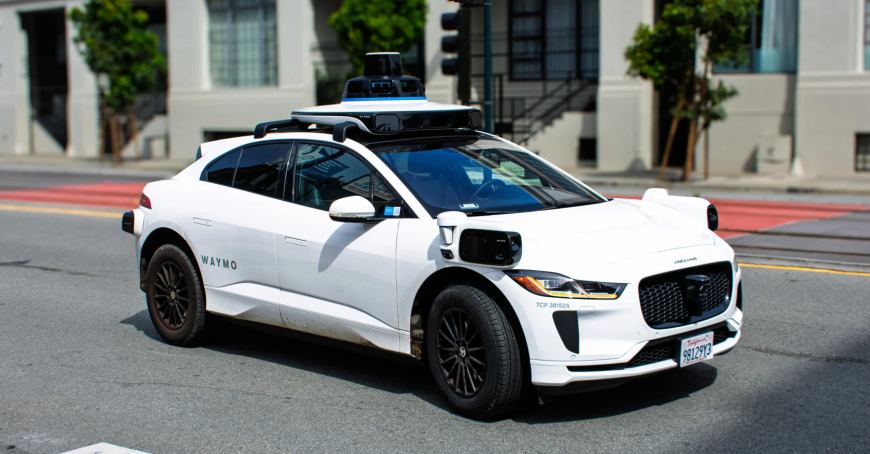
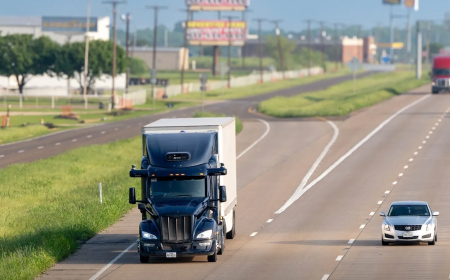
The robotaxi industry continues to expand across major cities, but recent developments highlight that commercial deployment remains a work in progress. While autonomous ride-hailing services have become increasingly visible on public roads, companies are still facing significant challenges as they scale operations and encounter new real-world conditions.
Waymo, widely regarded as the leader in commercial robotaxi deployment, recently suspended operations in several U.S. cities after its autonomous vehicles encountered difficulties navigating heavy rainfall and flooded streets. The company paused services in Atlanta, Dallas, Houston, and San Antonio, later extending those suspensions to Austin and Nashville as engineers worked to improve how vehicles detect and respond to hazardous weather conditions. The issue follows a software recall announced by the company earlier this month.
Weather has not been Waymo’s only challenge. During the same week, the company also halted freeway operations in San Francisco, Los Angeles, Phoenix, and Miami while addressing performance concerns in highway construction zones. These setbacks demonstrate that even as robotaxi technology reaches commercial users, unexpected edge cases continue to emerge when autonomous systems are exposed to a wider range of driving environments.
The situation serves as a reminder that launching a robotaxi service is only the beginning of a much longer process. Every new city, roadway type, and weather condition introduces fresh variables that autonomous vehicle developers must address before achieving truly widespread adoption.
SpaceX IPO Highlights Expanding Musk Business Connections
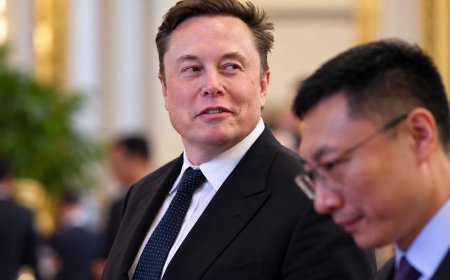
Beyond autonomous vehicles, attention this week also focused on SpaceX following the release of its highly anticipated IPO filing. The document provided a closer look at the interconnected business relationships among Elon Musk’s various companies, including Tesla, xAI, X, and The Boring Company.
The filing revealed that SpaceX purchased approximately $506 million worth of Tesla’s Megapack energy storage systems during 2025, representing a significant increase from the previous year. SpaceX also spent around $131 million acquiring Tesla Cybertrucks. Additional disclosures showed payments between Musk-affiliated businesses, including infrastructure projects handled by The Boring Company and leasing arrangements involving X.
The filing further highlighted Tesla’s investment in xAI, which has now been converted into an ownership stake following xAI’s merger with SpaceX. Looking ahead, future collaborations between the companies could include large-scale projects such as the proposed Terafab semiconductor manufacturing facility and Macrohard, an AI platform intended to combine autonomous agents with human workflows.
Funding Activity Across Mobility and Technology Sectors
Several notable funding announcements and strategic partnerships were also revealed this week.
A California startup developing extended-range electric travel trailers secured $13 million in a pre-Series A funding round led by Ondine Capital and Llama Ventures. The company has also brought in automotive designer Richard Kim, known for his work on the BMW i3, BMW i8, and Canoo.
Maritime technology startup Quartermaster raised $43 million in Series A financing co-led by First Round Capital and Quiet Capital. The company is building a distributed sensing network designed for ships and maritime operations.
Autonomous driving startup May Mobility entered into a strategic partnership with automotive technology supplier Ecarx, which Geely founder Li Shufu backs. Under the agreement, Ecarx will provide thousands of purpose-built robotaxi vehicles, with commercial deployments expected to begin later in the decade. The overall project is estimated to be worth approximately $750 million over its lifespan.
Indian travel-booking startup Scapia raised $63 million in new funding led by General Catalyst, with participation from existing investors Peak XV Partners and Z47.
Meanwhile, Uber increased its ownership stake in German food-delivery giant Delivery Hero to 19.5%, further expanding its presence in the global mobility and delivery sectors.
Industry Developments and Key Updates
Several additional developments shaped the transportation and technology landscape this week.
Lyft published its latest position on autonomous vehicles, emphasising that human drivers and robotaxis will likely coexist for the foreseeable future. The company argued that autonomous vehicles remain far from achieving the scale necessary to entirely replace traditional ride-hailing networks.
Self-driving technology startup Nuro appointed Michael Mancini as chief financial officer. Mancini previously held senior financial leadership roles at Energy Recovery, Astranis Space Technologies, and Aerion Supersonic.
Automaker Stellantis announced plans to integrate self-driving technology from startup Wayve into future vehicles beginning in 2028. The company also unveiled a broader $70 billion turnaround strategy that includes numerous new vehicle launches across North America.
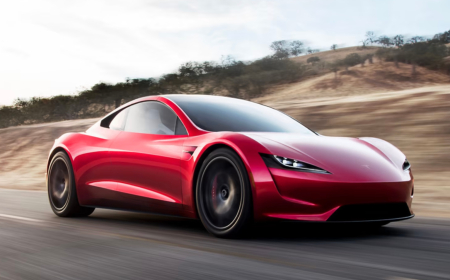
Tesla’s Full Self-Driving (Supervised) software received approval for use in Lithuania, making it the second European country to authorise the technology. Expanding FSD availability across Europe remains a key objective for Tesla and its CEO, Elon Musk, as the company pursues long-term growth targets tied to the adoption of autonomous driving.
In another notable development, a lawsuit filed against Waymo by a San Francisco physician was dismissed after the company resolved an issue in which its identity-verification system had mistakenly flagged him as a terrorist.
Nissan Leaf Receives Significant Upgrades
The latest generation of Nissan’s Leaf electric vehicle also received positive attention following recent hands-on testing.
The 2026 Nissan Leaf Platinum+ arrives with a starting price of approximately $42,635, including destination charges and optional upgrades. The third-generation model delivers an EPA-estimated driving range of 259 miles, while certain configurations exceed 300 miles.
Beyond improved range, the vehicle introduces a redesigned cabin with a more refined, modern appearance. Premium features include a wireless phone charger, dimming panoramic roof, head-up display, and a large 14.3-inch curved central infotainment screen.
Technology upgrades address many criticisms of previous Leaf models. Standard equipment now includes a 360-degree camera system, wireless Apple CarPlay and Android Auto support, and adaptive cruise control. Together, these additions significantly improve the vehicle’s overall driving and ownership experience, helping Nissan strengthen the Leaf’s position in the increasingly competitive electric vehicle market.
What's Your Reaction?
 Like
0
Like
0
 Dislike
0
Dislike
0
 Love
0
Love
0
 Funny
0
Funny
0
 Angry
0
Angry
0
 Sad
0
Sad
0
 Wow
0
Wow
0