





































The US imposes 25% tariff on Nvidia’s H200 AI chips headed to China
The United States has announced a 25% tariff on Nvidia’s H200 advanced AI chips exported to China, targeting foreign-made semiconductors routed through the US.
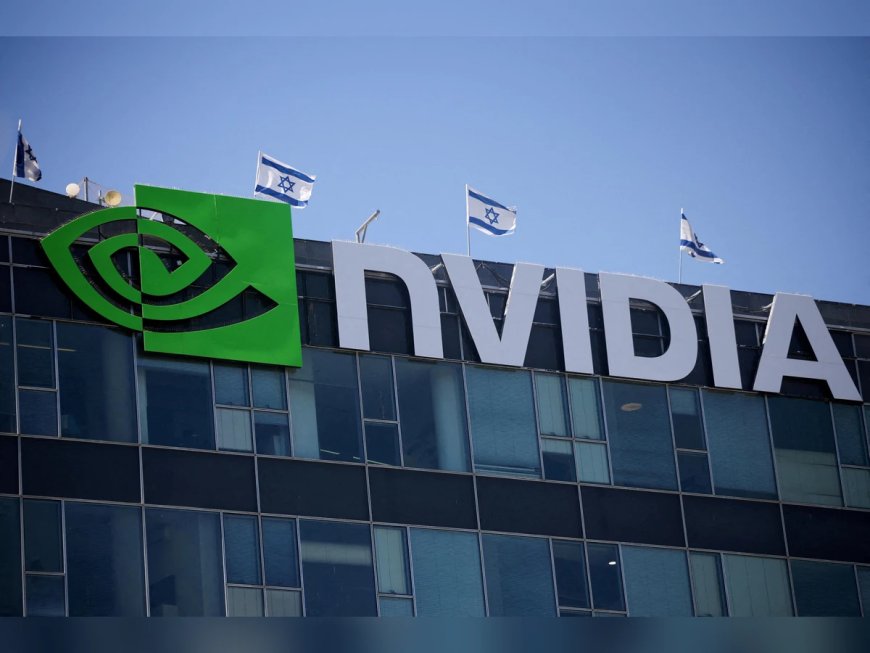
After months of speculation that the Trump administration would introduce tariffs on semiconductors, the United States has announced a new tariff targeting specific advanced chips. The measure applies to certain semiconductors, including Nvidia’s H200 advanced AI chips destined for China.
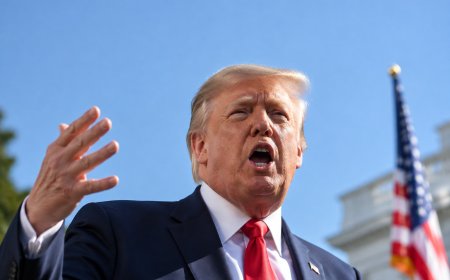
On Wednesday, Donald Trump signed a proclamation imposing a 25% tariff on advanced AI semiconductors that are manufactured outside the United States and then routed through the U.S. before being exported to customers in other countries.
The move formalises a key part of the U.S. Department of Commerce’s earlier decision to allow Nvidia to begin shipping its H200 AI chips to vetted customers in China starting in December. The tariff also applies to certain chips produced by other companies, including the AMD MI325X.
Despite the added tariff, Nvidia welcomed the decision, as it still permits the company to sell the H200 chip to approved Chinese customers.
“We applaud President Trump’s decision to allow America’s chip industry to compete to support high-paying jobs and manufacturing in America. Offering H200 to approved commercial customers, vetted by the Department of Commerce, strikes a thoughtful balance that is great for America,” an Nvidia spokesperson said in a statement emailed to TechCrunch.
Demand for Nvidia’s H200 chips remains strong. The company was reportedly considering increasing production following a surge in early orders from Chinese firms. However, demand is only part of the equation; China’s regulatory approach to these imports is critical.
China faces a complex position in the global AI and semiconductor race. While the country aims to strengthen its domestic chip industry, it also seeks to avoid falling behind international competitors while local technology continues to develop. According to Nikkei Asia, China’s central government is drafting new rules that would limit the number of foreign-made semiconductors Chinese companies can purchase. Such guidelines would still allow some imports of Nvidia chips and would mark a shift from the country’s current resistance to foreign chip imports.
The proclamation signed on Wednesday does not apply to chips imported into the United States and used domestically for research, defence, or commercial purposes.
“The United States currently fully manufactures only approximately 10% of the chips it requires, making it heavily reliant on foreign supply chains. This dependence on foreign supply chains is a significant economic and national security risk,” the proclamation stated.
What's Your Reaction?
 Like
0
Like
0
 Dislike
0
Dislike
0
 Love
0
Love
0
 Funny
0
Funny
0
 Angry
0
Angry
0
 Sad
0
Sad
0
 Wow
0
Wow
0