



































Treat Yourself: The Best Smart Glasses to Buy With Your Holiday Gift Money
Smart glasses are becoming practical everyday devices, offering features like AI assistance, immersive displays, fitness tracking, and media playback. This guide highlights the best smart glasses to buy with holiday gift money, from premium models to budget-friendly options, along with upcoming releases to watch.

Although smart glasses have existed for years, the technology continues to improve rapidly, to the point that Meta CEO Mark Zuckerberg has suggested they could replace smartphones within the next decade—a claim that still sparks debate.
What’s clear, however, is that smart glasses are no longer just futuristic curiosities. They’ve become practical devices used for communication, navigation, fitness tracking, media consumption, immersive gaming, and more.
Whether you’re shopping for yourself, buying a gift, or simply exploring what’s available, here’s a look at some of the most compelling smart glasses you can buy right now. The list includes options with and without displays, designed for everyday use, work, sports, and gaming. We’ve also included upcoming products worth watching as the market continues to heat up.
Ray-Ban Meta (Gen 2)
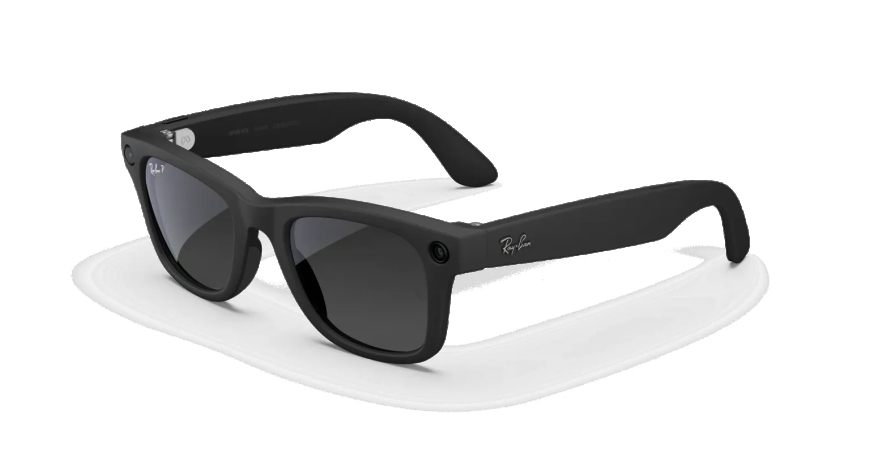
Image Credits: Meta
One of the key advantages of the Ray-Ban Meta smart glasses is that they look like traditional eyewear, making them ideal for users who prefer a more traditional aesthetic. They’re available in multiple styles to match different tastes.
The second-generation Ray-Ban Meta glasses feature a 12-megapixel camera, open-ear speakers, and five microphones. Battery life has doubled compared to the previous generation, lasting up to eight hours with typical use. They can charge to 50% in about 20 minutes, and an optional charging case extends battery life by up to 48 additional hours.
The glasses support 3K Ultra HD video recording, offer 32GB of storage, and carry an IPX4 rating for protection against light rain.
They also include a range of AI-powered features, such as voice commands via “Hey Meta,” real-time translation, hands-free photo and video capture, reminders, and the ability to ask questions about what you’re seeing.
Price: $379
Viture Luma Pro
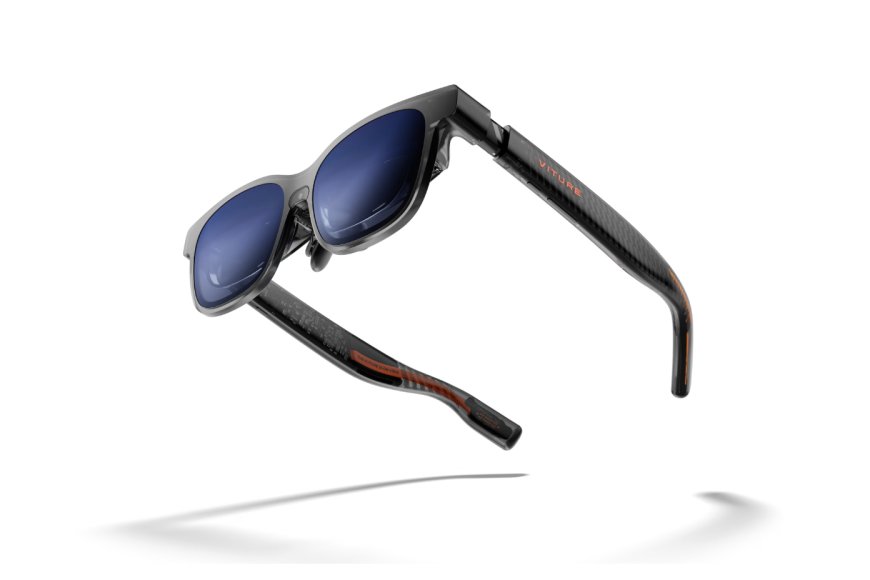
Image Credits: Meta
The Viture Luma Pro stands out for its high-quality display on smart glasses. Using Sony micro-OLED panels, the glasses deliver a sharp 1200p image on a 152-inch virtual screen, with a 120 Hz refresh rate, a 52-degree field of view, and up to 1,000 nits of perceived brightness.
The Luma Pro XR glasses connect via USB-C to phones, tablets, laptops, and handheld gaming devices, making them ideal for immersive gaming, travel, or virtual multi-screen work setups.
They include built-in support for mild myopia, allowing users with up to -4.0 diopters of nearsightedness to see clearly without prescription lenses. While the design is somewhat chunky, it remains manageable for extended use.
Price: $499 (currently on sale for $449)
Xreal One Pro
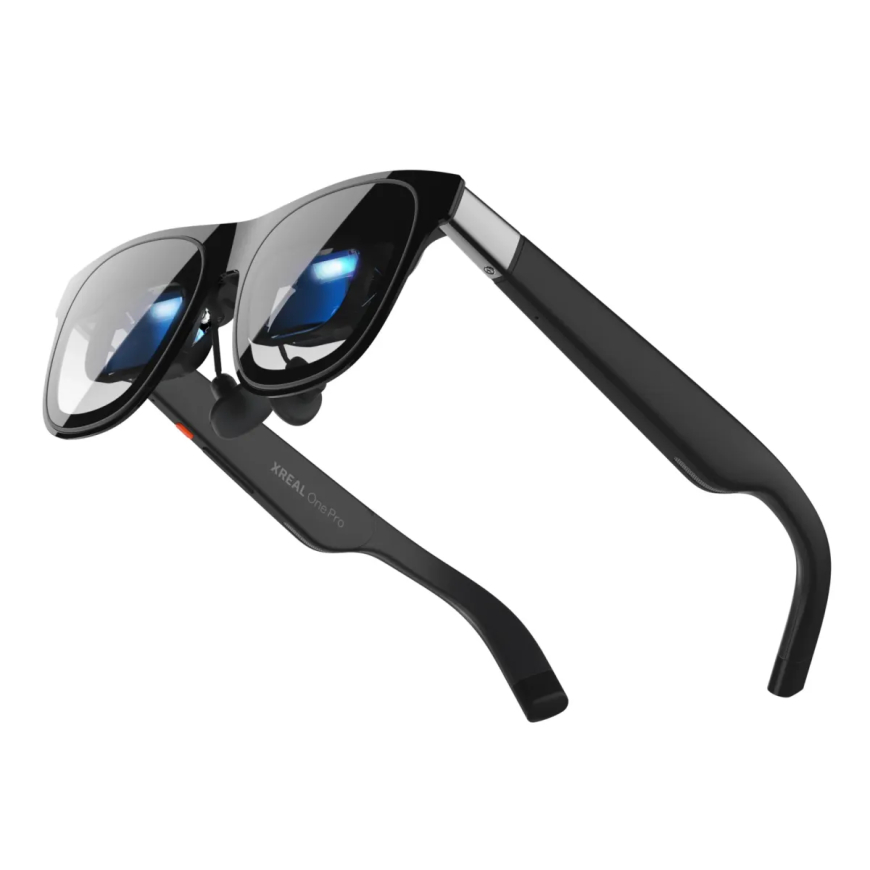
Image Credits: Meta
The Xreal One Pro is one of the most premium smart glasses currently on the market, priced at $649. They’re well-suited for users with experience with smart glasses who want a high-end upgrade.
The glasses feature a sleek flat-prism design and offer a virtual display up to 171 inches in size, with 1080p resolution, a refresh rate of up to 120 Hz, and a 57-degree field of view.
They include built-in Bose speakers and deliver up to 700 nits of brightness, making them usable in brighter environments.
Powered by Xreal’s custom X1 chip, the glasses support 3DoF (three degrees of freedom), meaning they track head rotation so virtual content stays anchored in space rather than moving with your head. A built-in button array lets users quickly adjust screen size, distance, colour temperature, and more.
Price: $649
Oakley Meta Vanguard
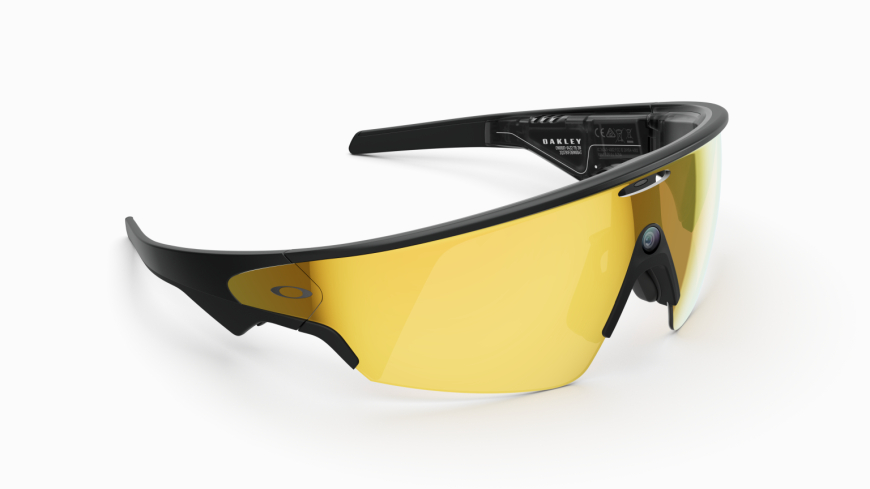
Image Credits: Meta
The Oakley Meta Vanguard smart glasses are designed specifically for athletes and outdoor enthusiasts. They support video capture up to 3K resolution and include a 12-megapixel camera with a 122-degree wide-angle lens.
A programmable button lets users trigger custom AI prompts in the Meta AI app. All physical controls are positioned underneath the frame, making the glasses comfortable to use with helmets.
Battery life reaches up to nine hours, or about six hours of continuous music playback. A charging case adds up to 36 more hours of battery life, and the glasses can reach 50% charge in about 20 minutes.
The five-microphone array is optimised to reduce wind noise, and the glasses carry an IP67 rating, meaning they’re dustproof and can withstand immersion in up to one meter of water for 30 minutes.
Price: $499
RayNeo Air 3s
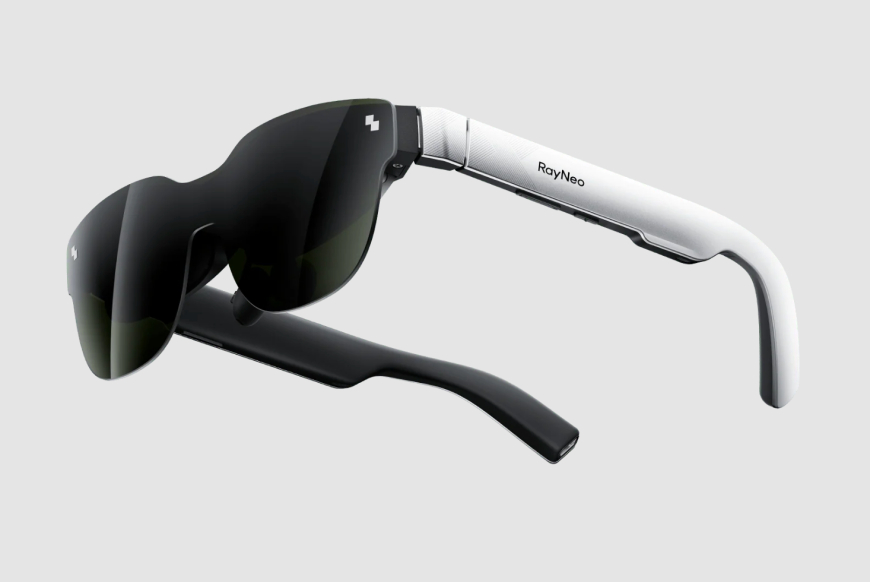
Image Credits: Meta
The RayNeo Air 3s are an excellent budget-friendly option for anyone new to smart glasses. They’re well-suited for watching content or casual gaming, especially during travel.
The glasses use micro-OLED displays to create a virtual 201-inch screen at 1080p resolution, with a 120 Hz refresh rate, a 46-degree field of view, and roughly 650 nits of perceived brightness.
They don’t include head tracking, and their field of view is narrower than premium models, but they’re a solid choice for users who want a portable external display without a high price tag. Eye-comfort features include low blue-light certification and high-frequency dimming to reduce eye strain.
Price: $269 (currently on sale for $219)
Upcoming Launches to Watch
Project Aura
Google and Xreal are collaborating on Android XR-powered smart glasses featuring a 70-degree field of view and optical see-through displays. The glasses are designed for extended use in work and entertainment and are expected to launch next year.
Snap Specs
Snap plans to release a lighter, consumer-focused version of its AR glasses in 2026. The new model is expected to offer AI and augmented reality features in a smaller, more discreet form factor compared to earlier versions.
Apple AI Smart Glasses
Apple is reportedly shifting focus from a major Vision Pro redesign to developing AI-powered smart glasses to compete with Meta’s offerings. These glasses are expected to debut in 2026.
What's Your Reaction?
 Like
0
Like
0
 Dislike
0
Dislike
0
 Love
0
Love
0
 Funny
0
Funny
0
 Angry
0
Angry
0
 Sad
0
Sad
0
 Wow
0
Wow
0