





































Study Says VC-Backed Startups Face Higher Fraud Risk
A new academic study suggests venture-backed startups are more likely to commit fraud, with investor pressure identified as a contributing factor.
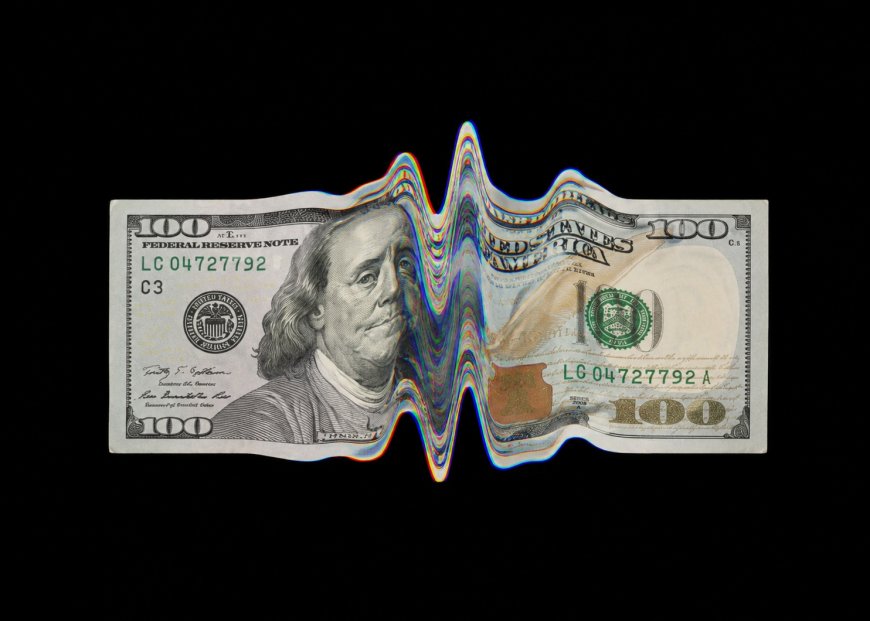
A new study from the U.K.’s Imperial College and France’s Emlyon Business School explores how venture capital-backed startup founders may engage in fraud and the extent to which investors contribute to that risk.
Published online in June, the report built a database of technology founders and companies that faced civil and criminal securities fraud actions brought by the U.S. Securities and Exchange Commission (SEC) and the Department of Justice (DOJ) between 2000 and 2023.
Recent high-profile fraud cases referenced in the study include Frank founder Charlie Javice, Kalder founder Gökçe Güven, Terraform Labs co-founder Do Kwon, and GameOn founders Alexander and Valerie Lau Beckman.
Tim Weiss, one of the study’s authors, said fraud is widely discussed in the tech industry, especially on X, where founders and investors often debate the line between ambition and deception.
“Fraud is much more common and normalised in the startup world than we are ready to admit and accept,” Weiss said.
VC pressure may increase fraud risk
Weiss also referenced a June study from the University of Toronto that examined 654 fraud cases involving U.S. venture-backed startups between 2000 and 2023.
That research found that while fraud is still relatively rare overall, venture-backed startups were more likely to face fraud allegations than non-VC-backed companies.
It also showed that startups founded during overheated market cycles, with weak oversight and limited due diligence, were 19% more likely to commit fraud later.
Weiss argued that unrealistic growth expectations from investors can create pressure that pushes founders toward dishonest behaviour, noting that the current AI startup boom shows similar dynamics.
Three stages of deception
The Imperial College and Emlyon paper describes three stages of what it calls “façading”: surface, reinforced, and deep.
Surface façading involves exaggerating progress or success, often during investor pitches.
Reinforced façading escalates this by fabricating supporting evidence such as fake contracts, invoices, or revenue records.
The report highlights a mobile testing startup that allegedly created falsified financial documents and customer contracts to secure venture funding at a unicorn valuation.
Deep façading, the final stage, involves building what Weiss calls a “parallel reality,” including fake product demonstrations and exaggerated technological capabilities.
Investors may also play a role
The researchers argue that investors are not always passive victims in these cases.
Beyond setting aggressive growth targets, some investors may unintentionally “co-create fraud” by continuing to fund founders previously accused of misconduct, reinforcing a culture that normalises it.
The University of Toronto study similarly found little evidence that founders accused of fraud struggle to raise capital for new ventures, even after widely publicised cases.
It also found that startups with founder-controlled boards were twice as likely to commit fraud as those with investor-controlled or jointly controlled boards.
Additionally, venture-backed companies that later went public were more likely to face securities class-action lawsuits within two years compared to private equity-backed firms.
Weiss said longer private company lifespans may also reduce scrutiny, since startups are not subject to the same reporting requirements as public companies.
He suggested the SEC should begin routine investigations or audits once startups reach major investment thresholds, rather than waiting for whistleblower reports or lawsuits.
The report concludes that investors should bear greater responsibility for governance failures and the pressure they place on founders, and calls for further research into founder-investor dynamics to understand better how fraud develops.
What's Your Reaction?
 Like
0
Like
0
 Dislike
0
Dislike
0
 Love
0
Love
0
 Funny
0
Funny
0
 Angry
0
Angry
0
 Sad
0
Sad
0
 Wow
0
Wow
0