






















Zoox Clears Final Federal Hurdle to Launch Paid Robotaxi Rides
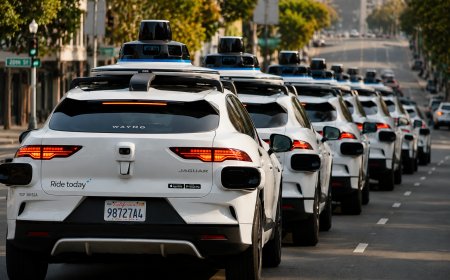
Zoox has received a federal safety exemption allowing the Amazon-owned autonomous vehicle company to begin charging passengers for robotaxi rides.
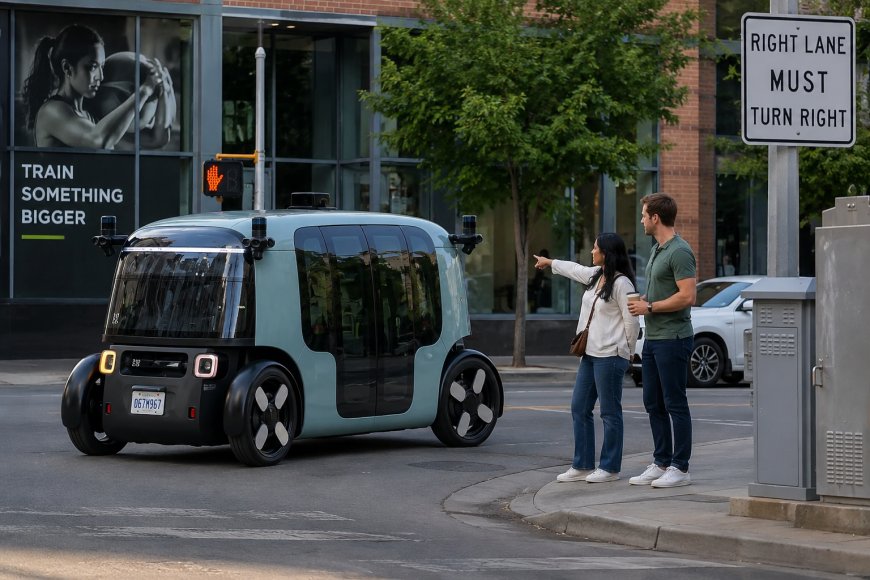
Zoox has received a temporary federal exemption that will allow the Amazon-owned autonomous vehicle company to begin charging passengers for rides in its purpose-built robotaxis.
The National Highway Traffic Safety Administration (NHTSA) announced the exemption Thursday, removing one of the final federal regulatory barriers standing between Zoox and the launch of its commercial robotaxi service.
The decision was also published in the Federal Register.
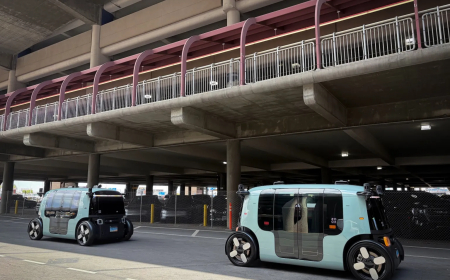
Zoox’s custom autonomous vehicles differ significantly from conventional passenger cars. They do not have steering wheels or pedals, meaning they cannot comply with several federal motor vehicle safety standards originally written for vehicles designed around human drivers.
NHTSA’s temporary exemption covers eight federal safety standards, including requirements related to windshield defrosting and light-vehicle braking systems.
Zoox can now charge passengers.
NHTSA granted Zoox an earlier exemption nearly a year ago that allowed the company to demonstrate its robotaxis on public roads and carry passengers in markets including San Francisco and Las Vegas.
However, that approval did not allow Zoox to collect fares from passengers.
The latest exemption changes that, clearing the federal path for the company to operate its vehicles commercially.
The approval does come with restrictions. Zoox’s commercial fleet will be limited to as many as 2,500 vehicles annually for two years.
NHTSA said the company will also operate under an “enhanced, adaptable oversight structure” designed to evolve as Zoox’s autonomous driving technology develops.
A Zoox spokesperson said the company expects to begin charging passengers soon, starting in Las Vegas. Other markets are expected to follow once Zoox completes the state-level regulatory requirements necessary to launch commercial service.
California approvals are still required.
Zoox is headquartered in California, where it already tests autonomous vehicles and provides free rides to passengers. However, additional approvals are required before the company can launch a paid driverless service in the state.
Zoox still needs driverless deployment permits from both the California Public Utilities Commission and thestate’ss Department of Motor Vehicles.
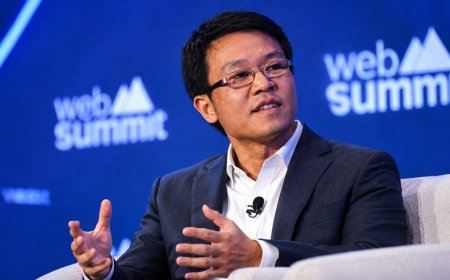
CEO Aicha Evans described the federal approval as an important milestone for Zoox and autonomous transportation.
“We are honoured to receive the first-ever commercial exemption for a purpose-built robotaxi from NHTSA, enabling us to begin charging for our service and take another step toward bringing autonomous ride-hailing to more communities,” Evans said.
NHTSA updates autonomous vehicle regulations
The Zoox decision was one of several autonomous vehicle announcements made by NHTSA on Thursday as the agency works to adapt federal regulations to vehicles designed without traditional human controls.
NHTSA said it is updating its exemption process, which allows automakers to temporarily sell limited numbers of vehicles that do not comply with certain existing federal standards, primarily for testing and introducing new technologies.
The agency also announced a partnership with SAE Industry Technologies Consortia to support development of autonomous vehicle performance standards.
The organisation will fund a three-year, $5 million consortium tasked with collecting data and accelerating work on AV performance requirements.
NHTSA said the broader goal is to establish a single national safety standard for autonomous vehicles.
NHTSA Administrator Jonathan Morrison said the agency supports the safe development and deployment of automated vehicle technology while removing regulatory barriers that are no longer necessary.
“By removing unnecessary barriers to innovation, developing industry guidance, and providing strong enforcement oversight while we create performance requirements, NHTSA is taking a balanced approach to AV regulation,” Morrison said.
He added that the changes are intended to help the United States maintain its leadership in autonomous vehicle technology while ensuring deployment occurs safely and responsibly.
Robomart exemption also under review
NHTSA also revealed Thursday that it is reviewing an exemption application from Los Angeles-based autonomous delivery startup Robomart.
Robomart has developed a low-speed driverless delivery vehicle capable of carrying as much as 500 pounds of goods.
The agency said it will publish a separate notice requesting public comments on Robomart’s application once its initial evaluation has been completed.
For Zoox, however, the latest exemption brings years of development closer to commercial reality. With the main federal hurdle cleared, the company can now move toward collecting fares in Las Vegas before expanding its paid robotaxi service into additional markets.
What's Your Reaction?
 Like
0
Like
0
 Dislike
0
Dislike
0
 Love
0
Love
0
 Funny
0
Funny
0
 Angry
0
Angry
0
 Sad
0
Sad
0
 Wow
0
Wow
0