





























Former Apple designer builds next-gen AI interface at Hark
A former Apple designer is developing a new AI interface at Hark, aiming to redefine how users interact with intelligent systems and digital tools.
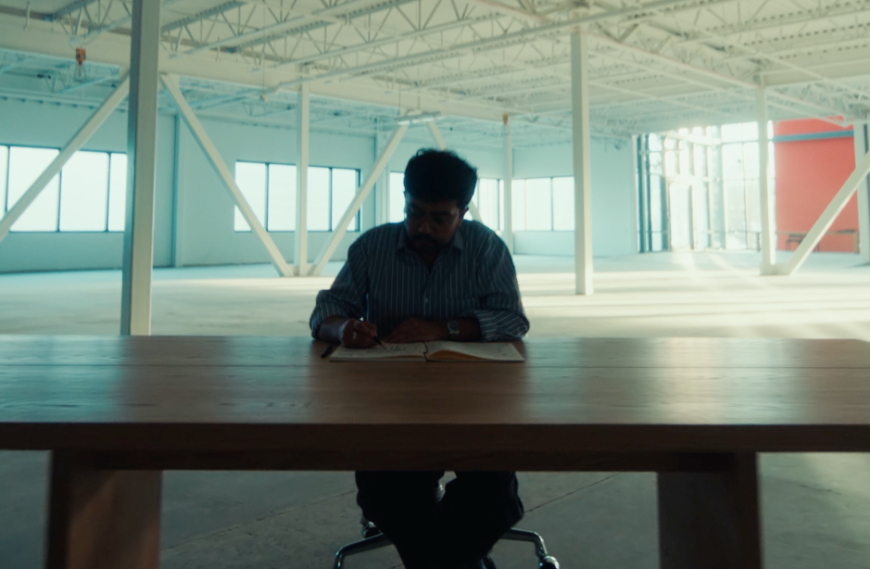
A secretive artificial intelligence lab founded by serial entrepreneur Brett Adcock has revealed new details about its vision to reshape how people interact with intelligent software, focusing on a combination of model development, hardware, and interface design.
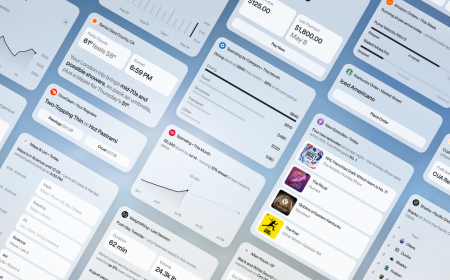
The company, called Hark, said in a statement that it plans to build multimodal, end-to-end AI models alongside its own hardware and user interfaces. The goal is to create what it describes as a “seamless end-to-end personal intelligence product.” According to the company, the system will be capable of maintaining a persistent memory of a user’s life while also listening, seeing, and interacting with the world in real time.
Exactly how this vision will be implemented remains unclear. Still, Hark’s approach reflects a broader effort across Silicon Valley to find a breakthrough consumer application for AI — one that moves beyond adding isolated features to existing digital platforms.
In a January internal memo, Adcock described his perspective on current AI systems, stating that today’s models are still far from truly intelligent and that the devices people use to access them were designed before the rise of modern AI. He suggested that the future could resemble systems like the fictional Jarvis or the AI in “Her,” which anticipate user needs, adapt over time, and engage more naturally with people.
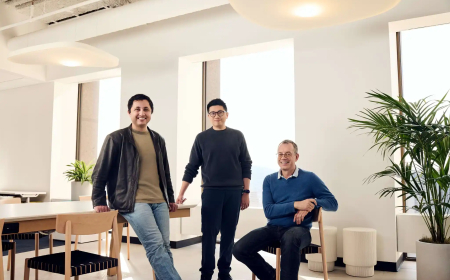
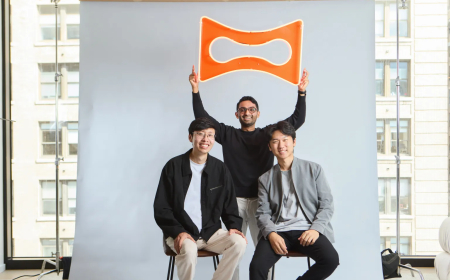
While many details about Hark’s roadmap remain undisclosed, the company highlighted its hiring of Abidur Chowdhury as a key development. Chowdhury, a former industrial designer at Apple who helped lead the design of the iPhone Air and other products, joined Hark after meeting Adcock and aligning with his vision to rethink how humans interact with technology.
In an interview, Chowdhury declined to provide specifics about upcoming products but confirmed that the company plans to release its first AI models this summer. He did, however, offer insight into his thinking on the future of AI interfaces, emphasising that current devices remain rooted in outdated design assumptions.
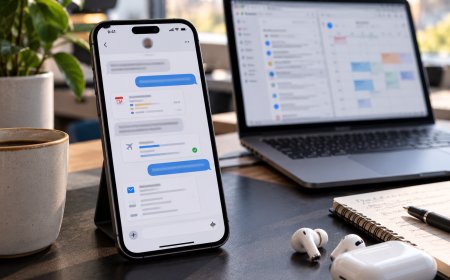
He pointed to everyday tasks — such as filling out forms, transferring information between devices, booking travel, or planning home renovations — as examples of inefficiencies that AI could eliminate. These activities often consume significant time and mental energy, something Hark believes can be reduced through automation.
Chowdhury suggested that the company’s goal is to remove the accumulation of small, repetitive tasks that collectively become overwhelming. By embedding intelligence at a foundational level, rather than layering it on top of existing systems, Hark aims to simplify how users manage their daily lives.
He also expressed scepticism about many current wearable AI concepts, such as smart glasses or devices with built-in cameras. According to Chowdhury, adding a physical layer between people and their environment may not be the most effective approach for future interfaces.
The name “Hark,” which means “to pay attention,” reflects the company’s focus on creating more attentive and personalised user experiences. Chowdhury explained that traditional user experience design has focused on creating the simplest solution for everyone, whereas future systems will need to deliver tailored experiences for each individual.
The company’s emphasis on simplicity and elegance in design has drawn comparisons to Apple’s design philosophy, particularly the work of former Apple designer Jony Ive, who is now involved in developing AI-focused hardware at OpenAI. However, a spokesperson for Hark declined to comment on such comparisons.
There are also parallels between Hark’s strategy and the integration of AI with hardware seen in other companies, such as Elon Musk’s xAI and Tesla. Hark is connected to Adcock’s robotics company, Figure, and its AI models are already being trained using data from Figure’s robots. However, ugh, the exact purpose of this integration has not been disclosed. A source familiar with the companies’ plans said there are currently no intentions to merge the two operations.
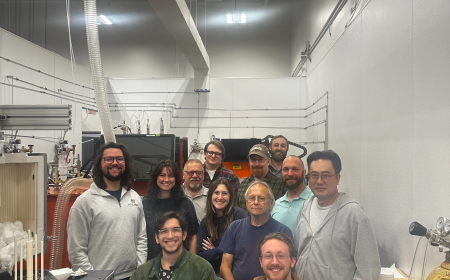
Hark currently employs 45 engineers and designers, including former researchers from Meta AI and designers from Apple and Tesla. The team is based on the same campus as Adcock’s other ventures and is preparing to utilise a new computing cluster powered by thousands of Nvidia GPUs starting in April.
The company is backed by $100 million in seed funding from Adcock himself and is expected to compete for talent with some of the largest technology firms as they race to define how AI will fit into everyday life. This comes at a time when dissatisfaction with existing AI tools and digital experiences continues to grow.
Chowdhury said the opportunity to rethink how people interact with technology feels similar to the early days of the iPhone, suggesting that the industry may be on the verge of another major shift in user experience design.
What's Your Reaction?
 Like
0
Like
0
 Dislike
0
Dislike
0
 Love
0
Love
0
 Funny
0
Funny
0
 Angry
0
Angry
0
 Sad
0
Sad
0
 Wow
0
Wow
0