






































Harbinger to launch hybrid-powered emergency vehicles as next product
Harbinger plans to introduce hybrid emergency vehicles that combine electric efficiency with reliability to modernise firefighting and rescue fleets.
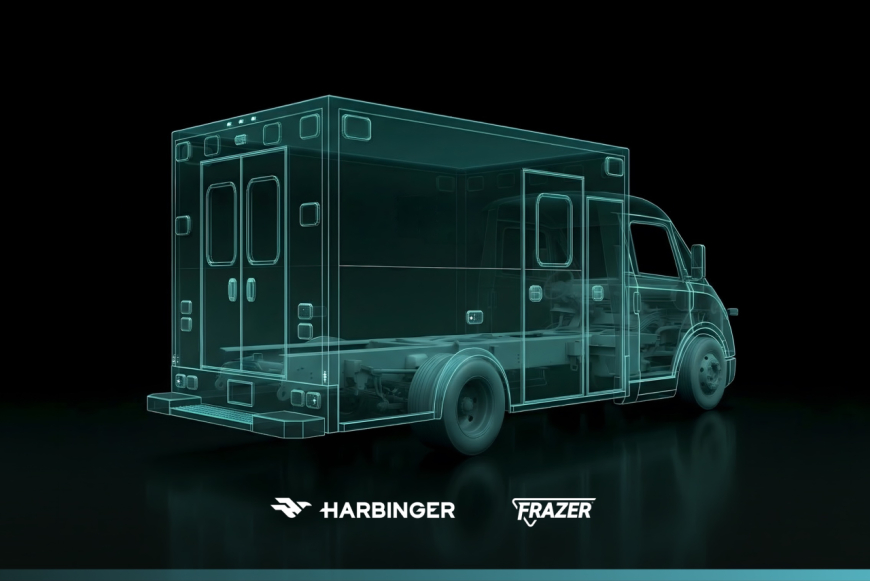
Trucking startup Harbinger may still be relatively young, but the adaptability of its electric vehicle platform is already helping it secure customers across multiple industries. Its latest move brings the company into the emergency services space through a new partnership.
On Wednesday, Harbinger and Frazer, a 70-year-old company, announced that Frazer will begin building ambulances using the hybrid version of Harbinger’s vehicle platform. In addition to ambulances, the partnership will also cover the development of larger mobile healthcare units.
As part of the agreement, Frazer will also become a customer of Harbinger’s energy storage business, which the startup introduced earlier this year through a collaboration with Airstream. The partnership highlights how companies like Harbinger are finding traction with electric and hybrid solutions even as the broader U.S. passenger vehicle market faces challenges. Around the same time, Detroit-based startup Grounded revealed it had partnered with Colgate to develop a fleet of mobile dental care vehicles, signalling growing demand for specialised vehicle platforms.
According to co-founder and CEO John Harris, the company’s success largely comes down to the flexibility of its platform. The chassis can be adjusted in length to suit different applications, and it can also accommodate a range-extending internal combustion engine when needed.
Despite being only a few years old, Harbinger’s platform is already being used across a variety of applications, including RVs built with THOR Industries, delivery vans for FedEx, box trucks, and now ambulances. This versatility has helped the company raise more than $300 million so far.
Harris explained that the platform supports multiple configurations, including three wheelbase options, four different gross vehicle weight ratings, and several powertrain setups, ranging from battery-only systems to hybrid combinations with multiple battery pack options. He emphasised that the high level of shared components across these configurations is a major advantage for the company.
Frazer CEO Laura Griffin said the decision to adopt Harbinger’s hybrid system was straightforward. The hybrid setup, which primarily runs on electric power while using a gas engine to recharge the battery, offers improved uptime and reduces the overall cost of ownership for customers such as municipalities, emergency services, and healthcare providers.
Beyond the vehicles themselves, Frazer will integrate Harbinger’s battery-based auxiliary power units into both its new hybrid emergency vehicles and its existing combustion-powered models. These units are designed to replace traditional generators and provide a cleaner, more efficient power source for onboard medical equipment.
Griffin noted that modern emergency vehicles rely heavily on power-intensive equipment, making reliable energy sources critical. By using independent battery systems, operators can run medical devices without relying on the vehicle’s engine or main battery pack. Harris believes the auxiliary power business could become a significant growth driver, regardless of how many hybrid vehicles Frazer ultimately deploys. With thousands of ambulances in operation, the demand for such systems is already substantial.
He also pointed to increasing interest from other industries, particularly in California, where stricter regulations are limiting the use of traditional gas-powered generators. Businesses are increasingly looking for quieter, cleaner, and more cost-effective alternatives, and battery-based systems are emerging as a preferred solution.
What's Your Reaction?
 Like
0
Like
0
 Dislike
0
Dislike
0
 Love
0
Love
0
 Funny
0
Funny
0
 Angry
0
Angry
0
 Sad
0
Sad
0
 Wow
0
Wow
0