


























Sonder app gains traction with an intentionally slow and detailed sign-up process
Sonder, a new connections app, is gaining popularity with its intentionally slow sign-up process designed to foster genuine interactions and meaningful matches.
The founders of Sonder reached a breaking point with modern dating platforms after repeatedly encountering profiles filled with predictable prompts and repetitive answers — including the familiar claim that liking pineapple on pizza is somehow controversial.
“We didn’t learn that people are frustrated through user calls or interviews or any of that,” said co-founder Mehedi Hassan. “We learned that through our own experience — we’re just like, this can’t be it.”
While dissatisfaction with dating apps is widely acknowledged, Hassan and his co-founders — all in their mid-twenties — decided to build something different. Alongside Helen Sun, Lenard Pratt, and Hannah Kin, the London-based team set out to design an experience that feels less transactional and more expressive.
Instead of rigid profiles and structured prompts, Sonder encourages users to create profiles that resemble mood boards or digital collages. The design draws inspiration from platforms like Pinterest and even MySpace, aiming to bring back a sense of personality and creativity that many users feel is missing from modern dating apps.
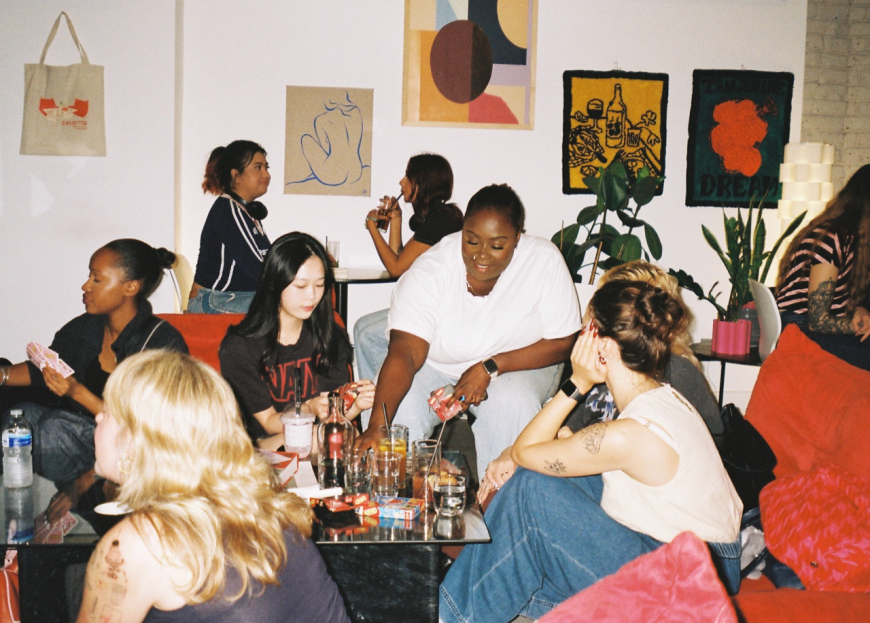
Beyond online interactions, the app also emphasises real-world engagement. Sonder organises in-person events such as “Speed Drawing,” “Presentation Night,” and even unconventional gatherings like a “Performative Male Contest.” These events are designed to make meeting new people feel more natural and less pressured.
“With the format of existing dating apps, the intention is to lower the barrier to entry and improve access,” Sun explained. “Those intentions were really good at the beginning, but based on how those apps evolved, it’s become monotonous, and people are experiencing burnout because there’s a loss of authenticity.”
Unlike traditional dating platforms, Sonder supports both romantic and platonic connections. This approach helps create a more relaxed environment at its events, where participants are not solely focused on dating outcomes.
“We have recurring events, because it’s nice when regular people come back,” Sun said. “It’s similar to run clubs, where you have repeated opportunities to meet people without pressure.”
Run clubs have recently gained popularity as a way to meet others in person, combining social interaction with physical activity. However, the founders acknowledge that not everyone is drawn to such formats.
“I hate running,” Hassan said. “Not everyone is going to be interested in running clubs. Helen likes book clubs, but I wouldn’t go to one.”
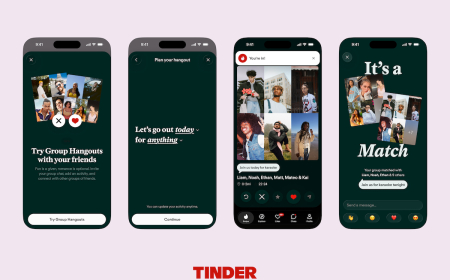
Sonder is not alone in recognising the renewed interest in offline connections. Even established platforms like Tinder have begun experimenting with in-person experiences. Still, newer platforms may benefit from their novelty, as users are often more open to trying something fresh compared to engaging with long-established brands.
“I think what we’re trying to bring back is that magic of meeting someone for the first time,” Sun said. “It should feel special, not like browsing job applications.”
At the same time, larger dating apps are introducing more advanced features, including AI-driven tools. Platforms like Bumble have added AI assistants, while Tinder is testing features that analyse users’ photos to better understand their preferences.
Sonder is not opposed to artificial intelligence, but it takes a more restrained approach. Hassan, who works in product engineering at Granola — a London-based AI note-taking company that recently raised $125 million at a $1.5 billion valuation — recognises the potential of AI but is cautious about its role in dating.
The app uses AI in subtle ways, such as suggesting matches by analysing screenshots of user profiles through large language models. However, the team has deliberately avoided features that automatically generate profiles.
“I think that’s where it loses the human element,” Hassan said. “Even if it creates friction, we want users to put in their own effort. That effort reflects how serious they are about making connections.”
So far, Sonder has grown to around 6,500 users in London without relying on paid marketing. The founders are currently building the platform alongside their full-time jobs and have not yet secured external funding.
Hassan expressed hope that the app will eventually attract investment and become a full-time venture, while remaining rooted in London.
“Our life is very tiring right now,” he said. “We work during the day, then host events in the evening. But when I look at the videos afterwards and see people genuinely smiling and connecting, it makes it worth it.”
What's Your Reaction?
 Like
1
Like
1
 Dislike
0
Dislike
0
 Love
0
Love
0
 Funny
0
Funny
0
 Angry
0
Angry
0
 Sad
0
Sad
0
 Wow
0
Wow
0