






























Thea Energy Lands $20 Million Federal Grant to Build Fusion Reactor Magnets
Thea Energy has secured a $20 million federal grant from ARPA-E to manufacture high-temperature superconducting magnets for its planned fusion reactors.
Thea Energy has secured a $20 million federal grant to help manufacture specialised magnets for its fusion reactors, giving the startup additional support as it works toward developing commercial fusion power.
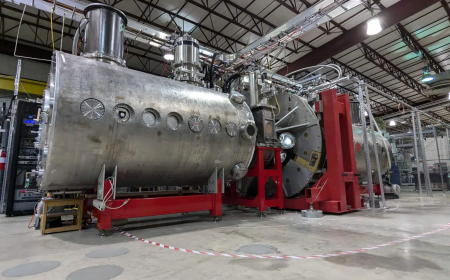
The fusion energy company received the award from the U.S. Department of Energy’s Advanced Research Projects Agency-Energy, or ARPA-E. The funding will support manufacturing of Thea’s modular high-temperature superconducting, or HTS, magnets, which are critical components in its reactor design.
HTS magnets are expensive but important for magnetic confinement fusion, one of the main approaches companies are pursuing to generate electricity from fusion. These reactors use powerful magnetic fields to contain and compress extremely hot plasma, creating conditions that allow atomic nuclei to fuse and release energy.
Thea Energy takes a different approach to stellarators
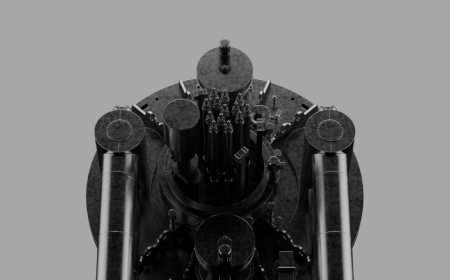
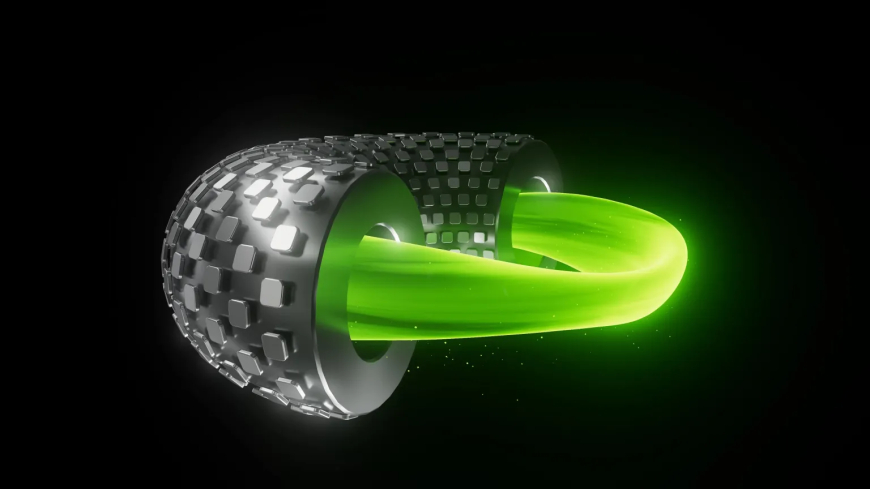
Thea’s reactor is based on a type of fusion device known as a stellarator. These machines typically resemble twisted rings, with their unusual geometry designed to improve the confinement of plasma inside the reactor.
Traditional stellarators often require complicated magnets shaped to match the reactor’s twists and curves. Manufacturing those specialised components can be difficult and expensive, creating another challenge for companies attempting to make fusion economically viable.
Thea is trying to simplify the process by reducing the number of magnet designs required. Its system uses 12 large magnets based on four different templates to perform much of the magnetic confinement work.
More than 300 smaller magnets used to make precise adjustments to the plasma are identical. The magnets are positioned around the reactor in an arrangement the company compares to pixels spread across a computer display.
Software controls the smaller magnets individually, allowing Thea to fine-tune the magnetic field. The company says this approach could make the reactor more tolerant of small manufacturing variations and potentially reduce construction costs.
Thea targets commercial fusion in the 2030s
The federal award adds to significant private investment already secured by Thea. The company raised $100 million in May after previously completing a $20 million Series A funding round in 2024, placing it among the better-funded startups pursuing commercial fusion energy.
Like several competitors in the rapidly expanding fusion industry, Thea is targeting the mid-2030s for construction of a commercial-scale fusion power plant. The new ARPA-E funding will help the company address one of the industry’s major challenges: manufacturing advanced reactor components at a cost and scale that could eventually support commercial power generation.
What's Your Reaction?
 Like
0
Like
0
 Dislike
0
Dislike
0
 Love
0
Love
0
 Funny
0
Funny
0
 Angry
0
Angry
0
 Sad
0
Sad
0
 Wow
0
Wow
0