





































Kyoto Fusioneering Begins Work on Key Fusion Fuel Technology at Oak Ridge
Kyoto Fusioneering is developing UNITY-3 at Oak Ridge to test breeding blanket technology needed to produce tritium fuel for future fusion power plants.
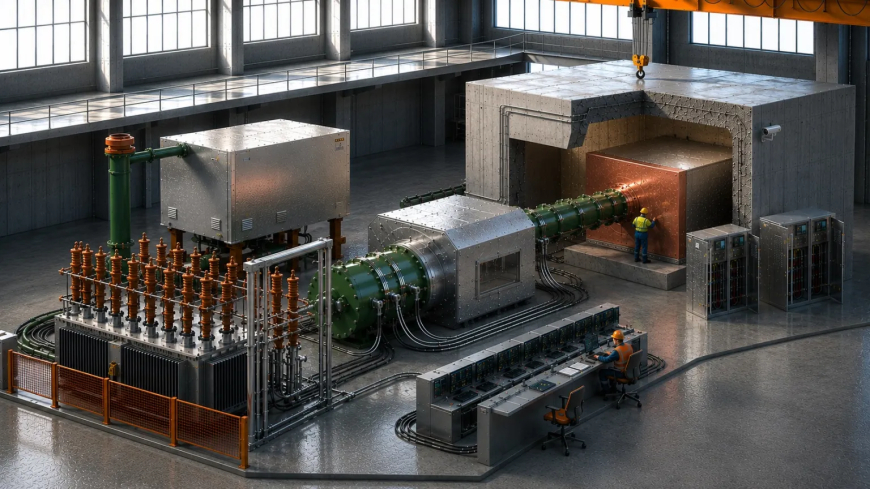
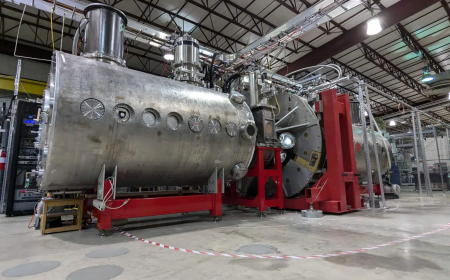
Kyoto Fusioneering is moving forward with a prototype system at Oak Ridge National Laboratory that will test technology needed to produce fuel for future fusion power plants, expanding the Japanese startup’s role in the emerging fusion supply chain.
The company has secured grants from the U.S. Department of Energy and the state of Tennessee for the project. Alongside the development, Kyoto Fusioneering said it is relocating its U.S. headquarters to Oak Ridge, Tennessee.
Kyoto Fusioneering develops UNITY-3 at Oak Ridge.
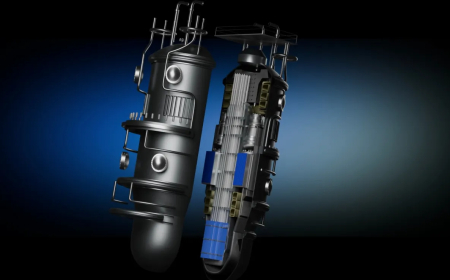
The new device, called UNITY-3, is being developed with Oak Ridge National Laboratory and will test fuel-cycle technology known as a breeding blanket. The systems are designed to capture energy produced by fusion reactions while also generating fresh fuel for the reactor.
Kyoto Fusioneering has raised $121 million in committed capital, according to FusionX. The company has positioned itself as a specialist supplier rather than focusing solely on developing a complete fusion reactor.
That approach could give the startup an important role as fusion companies seek outside suppliers for critical components. More than half of fusion startups surveyed by the Fusion Industry Association said they plan to work with external suppliers on fuel-cycle technologies.
Breeding blankets could supply tritium fuel.
One breeding blanket design uses liquid lithium to absorb heat and neutrons generated by fusion reactions. When neutrons bombard lithium atoms, the process can produce helium and tritium, an isotope of hydrogen used as fuel by many proposed fusion reactors.
The tritium can then be separated from the blanket and returned to the reactor as fuel. At the same time, heat captured by the system can ultimately be used to generate electricity.
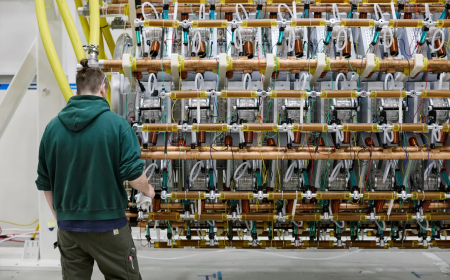
Building such a system requires specialised equipment capable of operating under extreme conditions, including heat-resistant materials and purpose-built pumps. These components represent only one part of the wider infrastructure required to turn a fusion reaction into a functioning power plant.
UNITY-3 will test multiple breeding blanket materials
Kyoto Fusioneering said UNITY-3 will evaluate liquid lithium as well as other potential breeding blanket materials. The facility is intended to give researchers experimental results that can be compared with data generated largely through computer modelling.
The company is also developing other technologies needed for fusion plants, including systems that heat fusion fuel into plasma, recover unburned fuel from reactor exhaust and capture heat for electricity generation.
Several fusion developers are expected to use data generated by UNITY-3. They include Realta Fusion, Thea Energy, Type One Energy and Xcimer Energy, companies pursuing different approaches to developing commercial fusion systems.
The range of participants reflects the broader role Kyoto Fusioneering is seeking in the industry. Rather than betting on a single reactor design, the company is developing equipment and fuel-cycle technologies that could potentially serve multiple fusion developers as they work toward commercial power generation.
UNITY-3 could therefore provide both a testing platform for emerging reactor companies and a proving ground for technologies that will be required before fusion plants can reliably produce electricity for the grid.
What's Your Reaction?
 Like
0
Like
0
 Dislike
0
Dislike
0
 Love
0
Love
0
 Funny
0
Funny
0
 Angry
0
Angry
0
 Sad
0
Sad
0
 Wow
0
Wow
0