



























WWDC 2026: Apple Finally Gives Siri the AI Upgrade It Promised
Apple’s WWDC 2026 introduces Siri AI with smarter conversations, personal context, AI-powered shortcuts, Visual Intelligence, and deeper integration across Apple devices.
Apple’s relationship with artificial intelligence has been complicated. For years, the company promised that Siri would become a smarter, more personal assistant capable of understanding context and helping users complete tasks across their devices.
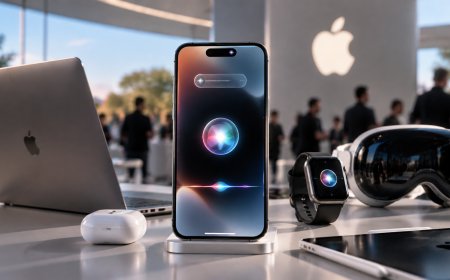
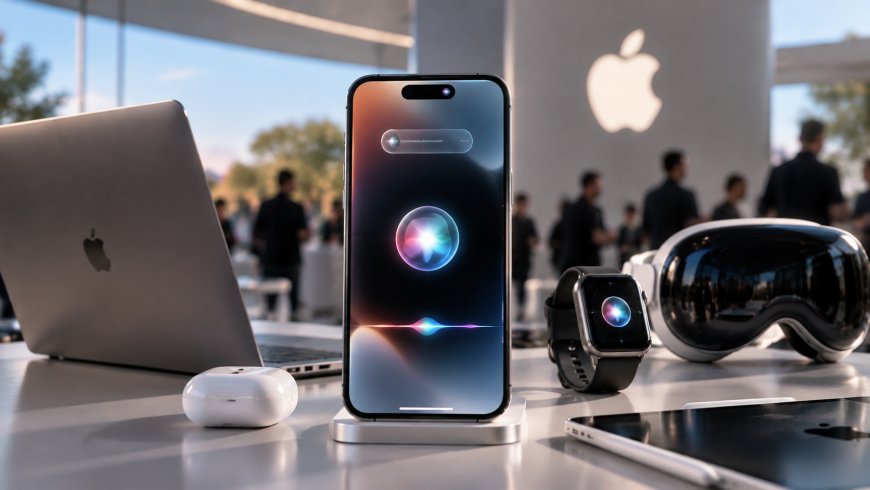
At WWDC 2026, Apple had to prove that its AI strategy was more than just a promise. After delays and criticism surrounding earlier Apple Intelligence features, the company introduced its biggest Siri update yet, bringing a redesigned assistant experience across iPhone, Mac, Apple Watch, and Vision Pro.
Apple Focuses on Refinement Before AI
Before showing its latest AI features, Apple spent much of WWDC 2026 focusing on improving the overall software experience across its ecosystem. The company refined its Liquid Glass design language, reduced excessive transparency effects, and added more customisation options for users who want greater control over their devices’ appearance.
Apple also focused on performance improvements rather than major visual changes. The company highlighted faster app launches, quicker photo processing, faster AirDrop, and better file search. These updates may not completely change how users interact with Apple devices, but they represent Apple’s traditional approach of improving the small details that shape everyday usage.
Siri AI Becomes Apple’s Biggest AI Transformation
The main announcement of WWDC 2026 was the arrival of Siri AI, a redesigned version of Apple’s voice assistant that aims to deliver the smarter Siri experience Apple has been promising finally.
The new Siri features a refreshed interface that blends into Apple’s hardware design language. Instead of appearing as a separate assistant window, Siri AI integrates directly into the Dynamic Island on supported iPhones, creating a more natural software-hardware interaction.
Smarter Conversations and Personal Context
The biggest change with Siri AI is its ability to understand ongoing conversations. Users can ask follow-up questions without repeating information, allowing Siri to handle more natural interactions.
Apple is also giving Siri access to more personal context. The assistant can understand information from messages, photos, files, and other content stored on the device, allowing it to respond based on a user’s personal information rather than only answering general questions.
Apple’s AI Strategy Relies on Integration
While Siri AI is a major improvement, Apple’s approach differs from companies competing mainly on artificial intelligence models. The company is focusing on making AI useful inside its ecosystem rather than simply creating the largest model.
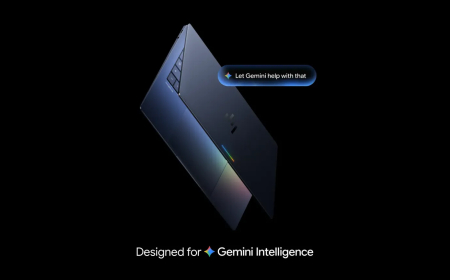
Apple is reportedly using Google Gemini technology as part of its AI strategy, which means many of Siri’s AI capabilities resemble features already available from other assistants. Apple’s advantage comes from combining AI with its hardware, operating systems, and user data integration.
Voice Improvements Make Siri Feel More Natural
One of the most noticeable improvements is Siri’s updated voice experience. Apple has focused on smoother conversations by improving voice quality, pacing, and expressiveness.
Users can also adjust Siri’s personality and speaking style, giving them more control over how the assistant communicates. The company has focused heavily on making Siri feel like a built-in part of the device rather than a separate chatbot.
AI-Powered Shortcuts Could Change Everyday Automation
One of the most interesting Siri AI updates is the ability to create shortcuts using natural language. Apple’s Shortcuts app has always been powerful, but many users avoided it because creating automation required too many steps.
With Siri AI, users can describe what they want to happen, and the system can create the automation automatically. This could make advanced iPhone features accessible to people who previously ignored them because they were too complex.
Visual Intelligence Expands Through the Camera
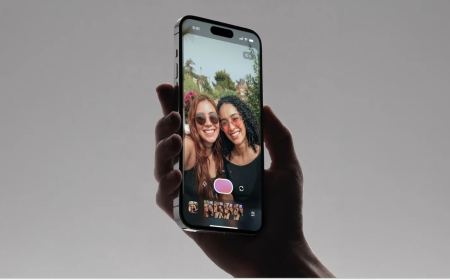
Apple is also expanding Visual Intelligence, allowing users to interact with the world around them through their camera.
The company demonstrated features such as analysing objects, understanding images, extracting information from documents, and helping users complete tasks based on what they see. However, these features will succeed only if they remain accurate and reliable in real-world situations.
Siri AI Comes to Apple Watch, Mac, and Vision Pro
Apple is extending Siri AI beyond the iPhone. On Apple Watch, the assistant becomes more practical because voice interaction fits naturally with a wearable device.
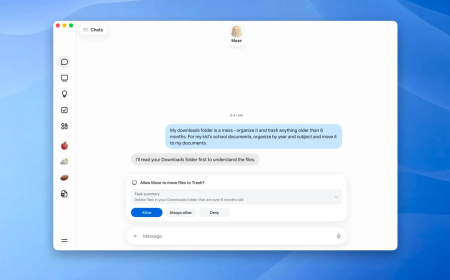
Vision Pro gets a more immersive version of Siri, letting users interact with the assistant in a spatial environment. Mac users also receive AI improvements through Spotlight and file-based interactions, although desktop AI competition remains a challenge for Apple.
Apple Intelligence Adds More Practical Features
Apple introduced several additional AI features across its platforms, including smarter Safari tools, improved password management, and better AI-powered suggestions.
The company is also expanding proactive assistance, allowing devices to surface useful information based on conversations, emails, photos, and calendar events. These features aim to make Apple devices more helpful without requiring users to ask for assistance all the time.
Better Dictation Could Become the Most Important Upgrade
Among all the AI announcements, improved dictation may become one of the most useful changes for everyday users.
Apple is improving speech recognition, spelling, and punctuation across its devices. Instead of creating content for users, Apple is focusing on helping people communicate more accurately in their own voice, which could make Siri and other AI features more reliable.
Apple’s AI Image Tools Raise New Questions
Apple also expanded its AI image capabilities by improving Image Playground and photo editing tools.
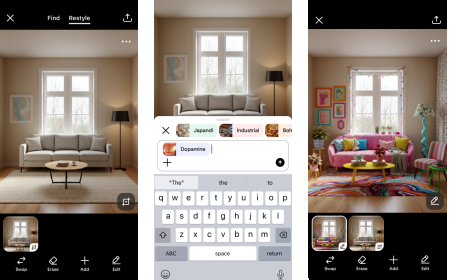
The company introduced features that allow users to generate images, remove unwanted objects, expand photos beyond their original frame, and adjust compositions using AI. While these tools demonstrate impressive technology, they also raise broader questions about authenticity and the role of AI-generated content in personal memories.
Device Compatibility and AI Limits Remain Concerns
Despite the major Siri upgrade, not every Apple device will receive the full AI experience. Many advanced features require newer hardware because they depend on more powerful processors and AI capabilities.
Apple has also indicated that some AI features may have usage limits because certain tasks rely on cloud-based processing. This creates questions about how much of Apple Intelligence will remain freely available as the technology expands.
Final Thoughts
WWDC 2026 marks an important step for Apple’s AI ambitions. Siri has moved from being one of Apple’s weakest areas to a much more competitive assistant experience.
However, Apple is not competing only by building the most powerful AI model. The company is betting on ecosystem integration, privacy, hardware, and user experience.
Siri AI shows that Apple has finally built the foundation for its AI future. The next challenge is proving that users will rely on it every day instead of seeing it as another feature that looks impressive during a keynote but disappears after launch.
What's Your Reaction?
 Like
0
Like
0
 Dislike
0
Dislike
0
 Love
0
Love
0
 Funny
0
Funny
0
 Angry
0
Angry
0
 Sad
0
Sad
0
 Wow
0
Wow
0