






























iPhone Duo Hands-On: Apple’s First Foldable Feels Like a New Beginning
The iPhone Duo marks Apple’s entry into foldable smartphones, offering a refined design, a larger display, improved multitasking, and Apple’s familiar ecosystem approach.
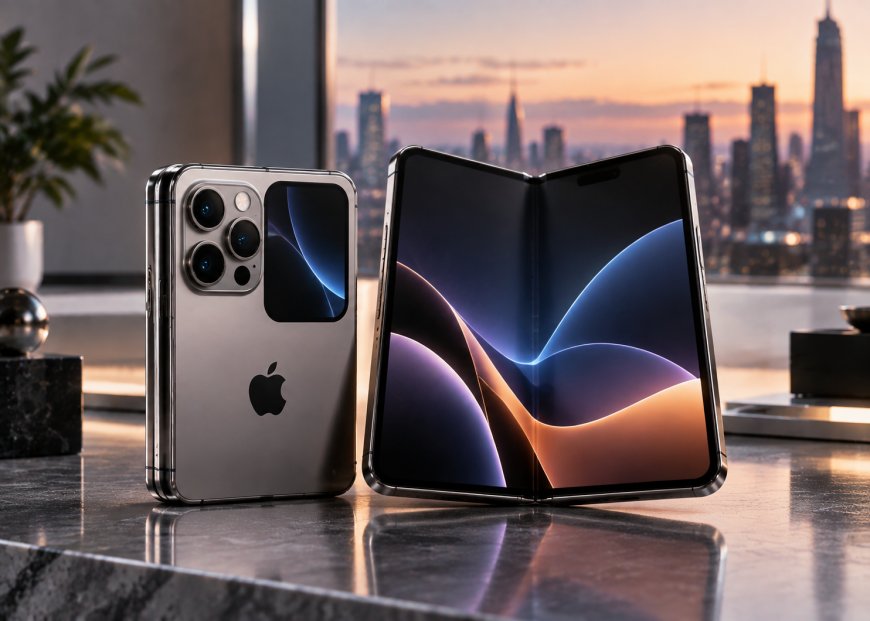
For years, foldable smartphones have been a category where Apple has remained on the sidelines. Samsung, Google, and other manufacturers experimented with flexible displays, new designs, and different approaches, while Apple appeared to be waiting.
Now that wait is over.
The iPhone Duo represents Apple’s first major change to the traditional iPhone design in years. Instead of trying to create the thinnest or most experimental foldable, Apple seems to have focused on something it has always prioritised: making new technology feel familiar.
After spending time with the iPhone Duo, the biggest impression is not that Apple invented the foldable smartphone. It is that Apple has refined the concept into something that feels like an iPhone.
A Foldable iPhone With Apple’s Familiar Approach
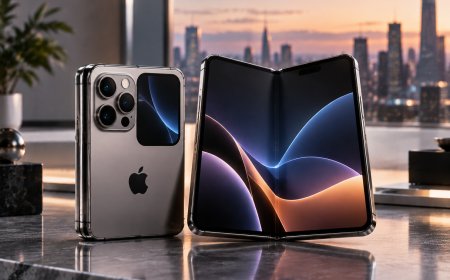
The iPhone Duo follows the same basic idea as other modern foldables. There is a smaller outer display for quick tasks and a larger internal display that opens into a tablet-like experience.
The outer screen keeps the traditional iPhone feeling intact. Apple has avoided completely changing the home screen layout or forcing users into a new interface style.
Instead, the company has subtly adjusted the experience. Controls and shortcuts are repositioned to work better with the narrower display, while the overall software experience remains familiar.
Opening the device reveals a much larger internal screen, providing significantly more space for multitasking, media, and productivity.
Apple’s approach seems clear: don’t ask users to learn a completely new way to use an iPhone. Expand what an iPhone can do.
Multitasking Finally Feels Natural on iPhone.
One of the biggest advantages of a foldable device is having more screen space, and Apple has focused heavily on making that extra space useful.
The iPhone Duo supports split-screen multitasking, allowing users to run two apps side by side. Moving content between apps feels natural, such as dragging images from Photos directly into messages or documents.
The device also supports a flexible viewing mode where the phone can remain partially folded, creating different interaction possibilities.
This is where the foldable format begins to make sense; instead of simply providing a bigger display, the extra space offers a different way to interact with apps.
Hardware Focused on Refinement
Apple’s first foldable does not appear designed to compete through extreme specifications.
The company has focused on build quality and durability.
The frame uses premium materials, while the hinge system is engineered for strength rather than simply achieving the thinnest possible design.
That decision makes the iPhone Duo feel solid in the hand.
While some competitors have pushed aggressively toward thinner foldables, Apple appears more interested in creating a device that feels reliable over years of use.
The phone is not the slimmest foldable available, but the added thickness contributes to a more confident premium feel.
The Display Could Be Apple’s Biggest Achievement
Foldable displays have improved dramatically, but two challenges have remained: reflections and visible creases.
Apple appears to have focused on both.
The internal display includes technology designed to reduce reflections, making it easier to use in bright environments.
The crease is still present, but far less noticeable than on many earlier foldable devices.
This is an important improvement because the display is the main reason people buy a foldable phone. If the screen experience feels compromised, the entire concept becomes harder to justify.
Battery Life and Performance Look Promising
Foldable devices often face challenges with battery capacity because manufacturers must fit more technology into a limited space.
The iPhone Duo appears to handle this carefully.
Apple has focused on efficiency, thermal management, and power optimisation rather than simply increasing battery size.
The device also includes advanced cooling technology to maintain performance during demanding tasks.
This matters because foldables are naturally expected to handle more intensive use. A larger screen encourages productivity, gaming, and multitasking, all of which require consistent performance.
The Software Experience May Be Apple’s Biggest Advantage
Hardware is only half the foldable experience.
The real challenge is software.
Apple’s strength has always been ecosystem integration, and the iPhone Duo benefits from years of iOS development.
Animations, app transitions, screen switching, and multitasking interactions appear designed around the foldable format rather than adapted from a traditional phone.
Apps can transition smoothly between the smaller outer display and the larger internal display, creating a more connected experience.
This is where Apple’s approach becomes clear. The company is not trying to win the foldable race by being first. It is trying to make the technology feel complete.
Important Compromises Remain
Despite the impressive experience, the iPhone Duo is not perfect.
The front display is easier to use quickly, but the wider design can make one-handed operation more difficult.
Some users may find reaching certain controls uncomfortable compared with a traditional iPhone.
The camera system also involves compromises.
Unlike the Pro models, the foldable does not offer the same complete camera setup. Users looking for maximum photography flexibility may prefer Apple’s traditional Pro lineup.
The internal under-display camera is another weak point. While the technology enables a cleaner full-screen experience, image quality still lags behind conventional selfie cameras.
The Foldable Is Not Necessarily the Best iPhone.
The iPhone Duo is likely to attract attention because of its design, price, and uniqueness.
But being the most expensive iPhone does not automatically make it the best choice for everyone.
The Pro models remain the better option for users who prioritise cameras, traditional smartphone usability, and maximum performance without compromises.
The Duo is for people who value the foldable experience itself.
It represents a new category rather than a replacement for every other iPhone.
iPhone 18 Pro Models Continue the Refinement Strategy
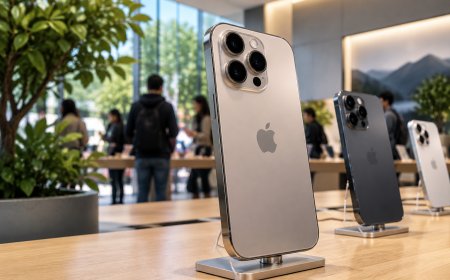
Alongside the foldable launch, Apple’s Pro models continue to focus on improvements rather than dramatic redesigns.
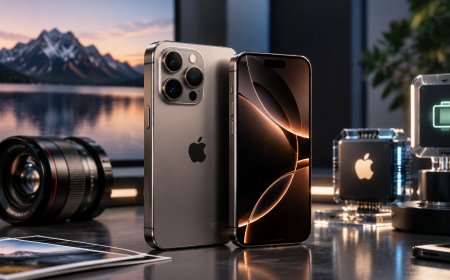
The iPhone 18 Pro and Pro Max introduce upgrades in processing power, battery efficiency, thermal performance, and camera capabilities.
The biggest change is the move to a newer-generation processor, improving speed, efficiency, and AI-related workloads.
Camera improvements also give users more creative control, including additional photography options and improved processing.
However, these upgrades are evolutionary rather than revolutionary.
For owners of older iPhones, the improvements may feel significant. For recent Pro users, the upgrade decision will depend on how much they value longer battery life, improved cameras, and future performance.
Final Thoughts
The iPhone Duo is an important moment for Apple because it marks the company’s entry into a category it avoided for years.
It does not feel like a first attempt. Instead, it feels like Apple studied the market, waited, and focused on refining the experience.
The result is a foldable phone that feels polished, familiar, and carefully designed.
However, it also shows Apple isn’t trying to replace the traditional iPhone Pro lineup. The Duo is a new option for users who want a larger, more flexible smartphone experience.
Apple’s first foldable is not about changing what a phone is overnight. It is about making foldable technology feel ready for everyday users.
What's Your Reaction?
 Like
0
Like
0
 Dislike
0
Dislike
0
 Love
0
Love
0
 Funny
0
Funny
0
 Angry
0
Angry
0
 Sad
0
Sad
0
 Wow
0
Wow
0