

























iPhone 18 Pro Review: A Powerful Upgrade That Might Not Feel New
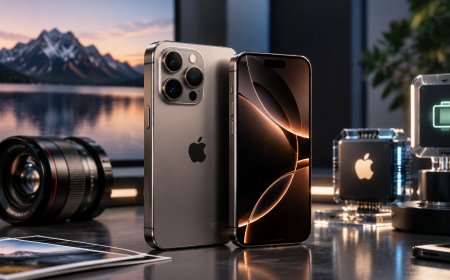
The iPhone 18 Pro improves battery life, performance, cameras, and AI capabilities, but its biggest upgrades focus on refinement rather than a complete redesign.
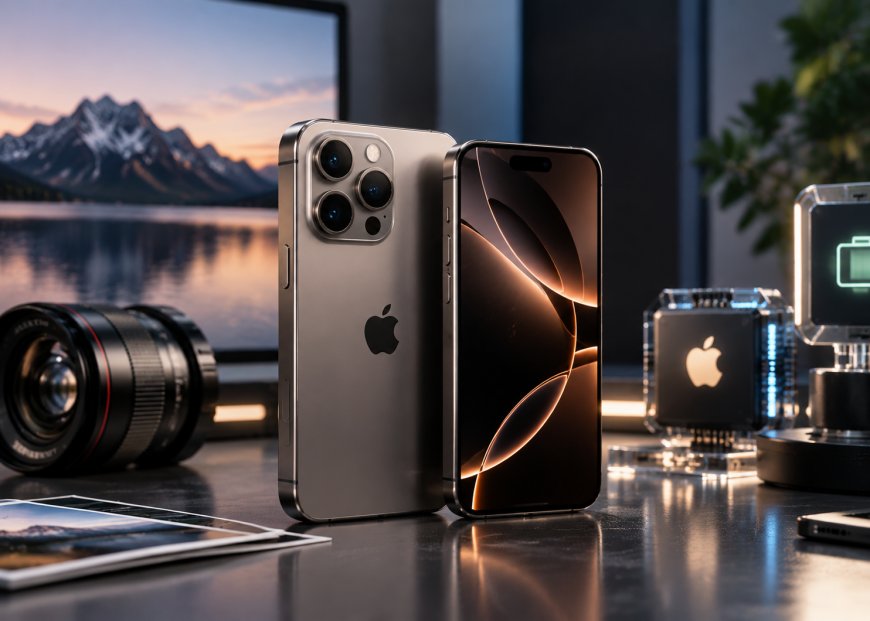
Every year, Apple launches a new iPhone promising it will be faster, smarter, and better than before. But after several generations of increasingly polished smartphones, the biggest question is no longer whether the new iPhone is good.
The real question is whether it feels different enough to justify replacing the phone you already own.
The iPhone 18 Pro is an interesting example of Apple’s current approach. It is not a dramatic redesign that changes how people use smartphones. Instead, it focuses on improvements that are easier to appreciate over time: better efficiency, stronger performance, improved cameras, and more long-term capability.
For someone upgrading from an older iPhone, the changes can feel significant. But for owners of recent Pro models, the upgrade story is much harder to explain.
The Battery Upgrade Is More Important Than the Numbers Suggest
Battery life has become one of the most competitive areas in smartphones. Many Android manufacturers have pushed battery capacities higher, with some devices offering extremely large batteries.
Apple has traditionally taken a different approach.
Instead of competing only through battery size, the company focuses heavily on efficiency between the processor, software, and hardware.
The iPhone 18 Pro continues that strategy.
The improvement isn’t simply about a larger battery. Improved chip efficiency and better thermal management let the phone maintain strong performance while using power more effectively.
In everyday use, this means longer endurance without needing a major increase in physical battery size.
For many users, this is one of the upgrades they will actually notice. A phone that comfortably lasts through a busy day changes the experience more than small design changes or rarely used extra features.
Performance Improvements Are About Future-Proofing
Apple’s latest Pro models continue to focus heavily on processing power.
At first glance, that can seem unnecessary. Most everyday smartphone tasks already run smoothly on previous-generation iPhones. Opening apps, browsing social media, watching videos, and taking photos do not require the latest chip.
The real benefit appears over time.
Higher performance gives developers more room to create advanced games, professional applications, and AI-powered features. A phone that feels slightly overpowered today may remain capable for several years.
This is especially important as smartphones become more dependent on artificial intelligence. Advanced AI features require more computing power, and devices with stronger processors have more room to support future software updates.
The iPhone 18 Pro is not necessarily about making today’s apps dramatically faster. It is about creating enough performance headroom for tomorrow’s features.
AI Is Still Apple’s Biggest Challenge
The biggest conversation around modern smartphones is artificial intelligence.
Google and other competitors have moved quickly with AI-powered features, while Apple has taken a more cautious approach.
The iPhone 18 Pro includes AI improvements, but the company still faces questions about whether its AI experience can match competing platforms.
Apple’s advantage has always been integration. The company controls the hardware, operating system, and software experience.
However, AI requires more than good hardware. Users expect assistants that understand context, respond naturally, and complete useful tasks.
This is where Apple still has work to do.
The company’s strength is not necessarily being first. Apple has often entered markets later and focused on creating a polished experience. The challenge is whether that approach can work in an AI industry that is moving faster than previous technology cycles.
Camera Improvements Are More Than Hardware
The camera system is one of the most important parts of every premium smartphone.
On paper, camera upgrades can sometimes appear smaller than expected. Sensor sizes may not change dramatically, and headline features may sound more impressive than they feel in daily use.
However, smartphone photography is no longer only about camera hardware.
Image processing plays a huge role.
Apple has spent years improving computational photography, and the iPhone 18 Pro benefits from better image processing, detail management, handling of difficult lighting, and more consistent results.
The result is a camera experience that focuses less on dramatic effects and more on reliability.
Photos generally aim for natural colours, accurate skin tones, strong video quality, and predictable results across different situations.
For many users, that consistency matters more than having the longest specification list.
A More Flexible Camera Experience
Apple has also continued improving camera controls for users who want more creative options.
Professional photographers and content creators often want more control over settings, but many people do not want the complexity of professional camera apps.
The iPhone 18 Pro tries to find a middle ground.
It provides more creative flexibility while keeping Apple’s simple interface.
This approach reflects Apple’s wider philosophy: give users more capability without making the device feel complicated.
For creators who use their phone as their primary camera, these improvements can make a meaningful difference.
The Design Question: Refined or Too Familiar?
One criticism of recent iPhones is that they can feel too similar from generation to generation.
Apple has focused less on dramatic redesigns and more on refinement.
That approach has advantages.
A mature design means fewer compromises, stronger durability, and a more predictable experience. But it also means upgrading can feel less exciting.
The iPhone 18 Pro is a good example of this balance.
It does not reinvent the smartphone. Instead, it improves many small details that add up to a better overall device.
Whether that feels impressive depends heavily on which phone you are upgrading from.
Who Should Buy the iPhone 18 Pro?
For people using older iPhones, the iPhone 18 Pro represents a major step forward.
The improvements in battery life, performance, cameras, and future software support make it a strong upgrade.
For users with recent Pro models, the decision is more complicated.
The iPhone 18 Pro is better, but it may not feel revolutionary. The improvements are focused on long-term usability rather than dramatic changes you notice immediately after setup.
That does not make it a disappointing phone. It simply shows how mature smartphones have become.
Final Thoughts
The iPhone 18 Pro is not Apple’s most exciting upgrade, but it may be one of its most practical.
It represents the company’s current philosophy: improve efficiency, strengthen performance, refine cameras, and build a device that remains capable for years.
The biggest changes are not always the ones visible during a launch event. Sometimes they are the improvements you appreciate months later, when your phone still performs smoothly, lasts longer, and keeps getting new features.
The iPhone 18 Pro is not about convincing everyone to upgrade immediately. It is about creating a device with enough capability to stay relevant long into the future.
What's Your Reaction?
 Like
0
Like
0
 Dislike
0
Dislike
0
 Love
0
Love
0
 Funny
0
Funny
0
 Angry
0
Angry
0
 Sad
0
Sad
0
 Wow
0
Wow
0