




































AstroForge Uses AI System to Bring More Autonomy to Spacecraft
AstroForge is developing an AI-powered spacecraft control system called Solo to help autonomous missions operate with fewer ground controls.
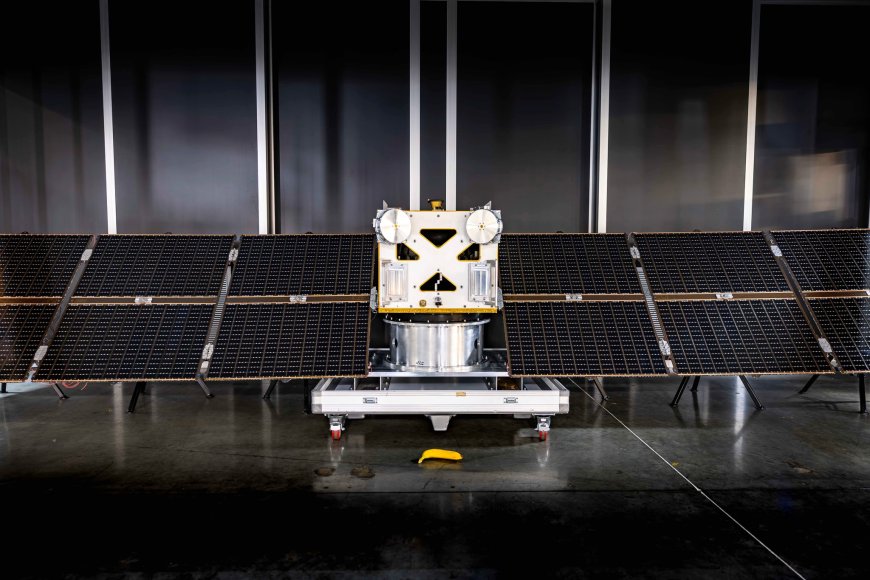
AstroForge is developing an artificial intelligence-powered spacecraft control system to help future missions operate more independently of Earth-based teams.
The company, which is developing technology for asteroid mining, has created an autonomous control system called Solo. The system uses a transformer-based model developed internally to help spacecraft analyse situations and respond to problems without relying entirely on ground operators.
Moving Toward Autonomous Spacecraft
Traditional space missions often depend on large teams of flight controllers who communicate with spacecraft from Earth. NASA’s OSIRIS-REx asteroid mission, for example, involved around 100 operators per eight-hour shift during its asteroid operations.
AstroForge argues that startups lack access to similar resources, making onboard intelligence an important option for future missions. The company is exploring whether AI systems can help spacecraft identify and recover from unexpected issues during deep-space operations.
Most spacecraft autonomy systems currently rely on traditional control methods because neural networks raise reliability concerns. Research into using neural networks for spacecraft control is still relatively new, including recent demonstrations of AI-based satellite positioning systems described in academic research.
Testing AI for Space Missions
AstroForge has launched two prototype spacecraft, but both experienced problems that prevented them from completing most mission goals. Its 2025 Odin spacecraft encountered communication difficulties after launch, leading the company to consider whether more onboard intelligence could improve spacecraft recovery.
AstroForge’s Solo system combines traditional spacecraft control algorithms with AI models trained for specific systems, including power and navigation. The company says it trains the broader intelligence layer using data from thousands of spacecraft sensors.
The company plans to test Solo on its DeepSpace-2 spacecraft, which is expected to launch alongside Intuitive Machines’ third lunar mission. The system will initially operate in a shadow mode, allowing engineers to evaluate its decisions before using it for a fully autonomous mission.
Future Autonomous Spacecraft Plans
AstroForge’s planned Autonomy-1 mission is intended to push the concept further, with the company considering a spacecraft that relies less on communication from Earth. The company says the goal is not general-purpose AI autonomy but a limited system designed for specific spacecraft tasks.
If successful, the technology could help smaller space companies run missions with fewer ground resources and respond faster to unexpected situations far from Earth.
What's Your Reaction?
 Like
0
Like
0
 Dislike
0
Dislike
0
 Love
0
Love
0
 Funny
0
Funny
0
 Angry
0
Angry
0
 Sad
0
Sad
0
 Wow
0
Wow
0