






































Natural Gas Price Forecast Tests Big Tech’s AI Data Centre Bets
A new natural gas price forecast warns costs could rise sharply as Amazon, Google, Meta and Microsoft expand gas-powered AI data centre investments in the U.S.
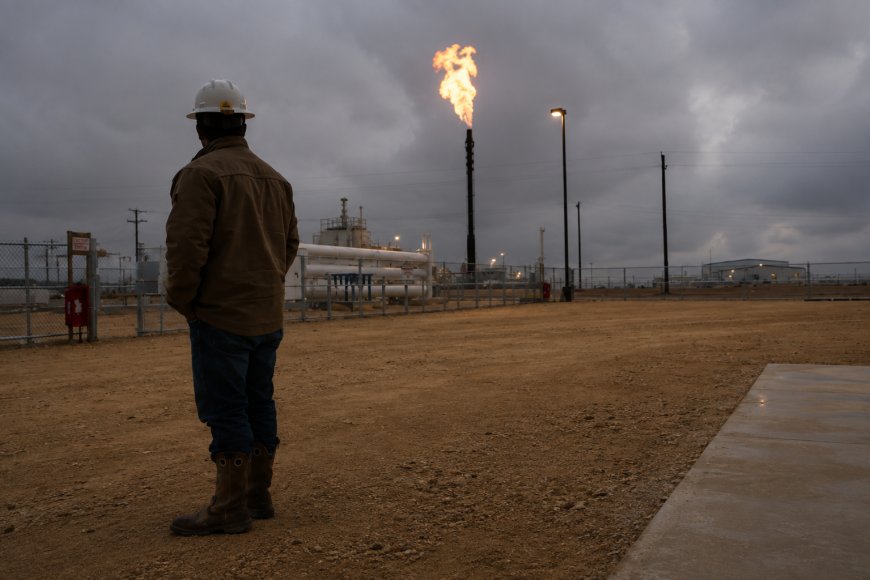
Amazon, Google, Meta and Microsoft are making increasingly large bets on natural gas to power AI data centres. Still, a new forecast warns that the fuel’s current price advantage may not last.
Energy research firm Noreva expects natural gas prices at some U.S. delivery hubs to rise above $10 per million British thermal units as demand from AI infrastructure, slower supply growth and expanding liquefied natural gas exports tighten the market. Prices currently range from roughly $2 to $4.50 per million Btu in major markets, with Louisiana’s Henry Hub trading below $3 per million Btu.
Big Tech makes larger bets on natural gas.
Technology companies have traditionally relied heavily on renewable energy deals, but the rapid expansion of AI infrastructure is increasing their need for large amounts of dependable electricity. That has pushed several hyperscalers toward dedicated gas-fired power projects.
Meta has announced plans tied to 7.5 gigawatts of new natural gas generation in Louisiana to support its Hyperion data centre. Microsoft and Google have also announced gigawatt-scale gas projects in Texas, while Amazon has plans associated with 7.6 gigawatts of gas generation in the state.
Peter Gardett, CEO of Noreva, said that some investors have been surprised by the amount of natural gas price exposure technology companies are accepting as they secure power for their data centres.
"They're doing things that are not normal for an off-taker to do," Gardett said.
Natural gas prices remain relatively stable for now, and futures markets are not signalling an immediate surge. Gardett described the companies' strategy as a reasonable bet under current conditions but said the market could become considerably tighter.
AI demand and LNG exports could tighten supply
Noreva’s forecast centres on two major changes. Domestic natural gas demand is rising as AI data centers require more electricity, while additional U.S. pipeline and export infrastructure is connecting previously inexpensive supplies to national and international markets.
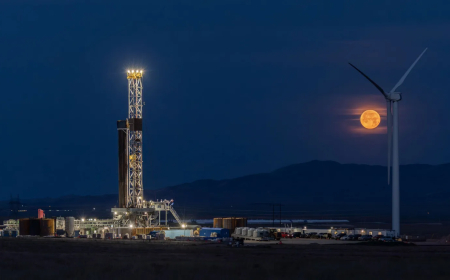
West Texas has been particularly attractive because much of its natural gas is produced as a byproduct of oil drilling. Historically limited pipeline capacity meant some producers had few options for selling that gas, helping keep local prices low.
New pipelines are changing that dynamic by allowing more West Texas gas to reach other markets, including LNG export facilities. Gardett said greater connectivity means regional supply and demand will increasingly influence prices elsewhere.
Noreva expects the resulting differences among regional gas markets to create periods in which prices at certain hubs exceed $10 per million Btu.
Higher gas prices could raise AI operating costs
Fuel can account for about half of the cost of producing electricity at a large natural gas plant. If gas prices double or triple, data centers that rely on dedicated gas generation could become substantially more expensive to operate.
Higher fuel expenses could increase the cost of running AI services. Alternatively, operators could seek additional electricity from existing grids, potentially adding demand on power systems already under pressure from rapid data centre construction.
The impact could also extend beyond technology companies. Public concern about data centres has increasingly focused on utility costs, and significantly higher natural gas demand could bring household gas bills into the debate as well.
The forecast remains a scenario rather than a certainty. Current gas markets remain far below Noreva's projected highs, and additional production could help meet rising demand. The firm's argument is that supply may not expand as quickly as it has historically, even as AI consumption and LNG exports grow.
For hyperscalers investing billions of dollars in physical infrastructure, natural gas prices would become a more direct factor in the economics of AI computing than they have been for their businesses in the past.
What's Your Reaction?
 Like
0
Like
0
 Dislike
0
Dislike
0
 Love
0
Love
0
 Funny
0
Funny
0
 Angry
0
Angry
0
 Sad
0
Sad
0
 Wow
0
Wow
0