





































SpaceX Starship Reaches Earth Orbit for the First Time and Deploys 26 Starlink Satellites
SpaceX’s Starship reached Earth orbit for the first time and deployed 26 Starlink V3 satellites before ending its planned nine-hour mission early.
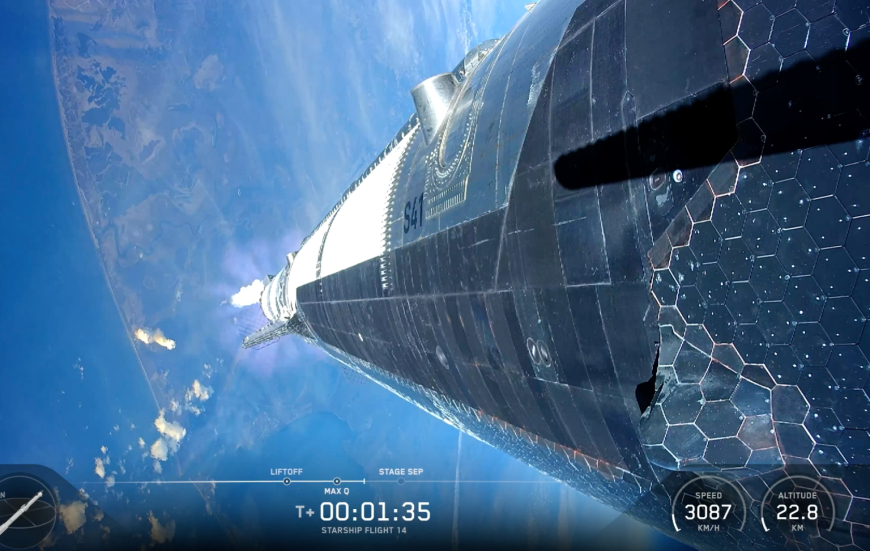
SpaceX’s Starship reached Earth orbit for the first time Monday, marking a major milestone for the company’s next-generation rocket while successfully deploying 26 Starlink V3 satellites.
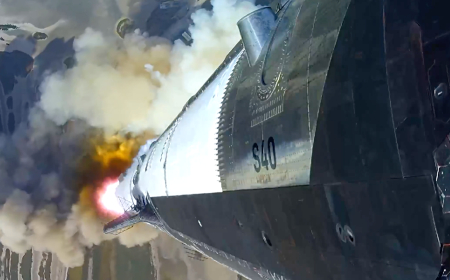
The vehicle launched from South Texas and completed the early stages of flight as planned. Shortly after the Starship upper stage separated from the Super Heavy booster, however, one of its six Raptor engines stopped operating.
SpaceX initially called off the orbital attempt but reversed that decision minutes later. Starship continued its flight, reached orbit and deployed all 26 third-generation Starlink satellites.
SpaceX Shortens Starship’s First Orbital Mission
The original plan called for Starship to complete six orbits around Earth during a roughly nine-hour mission. About 90 minutes into the flight, SpaceX instead decided to bring the upper stage back earlier than planned.
Reaching orbit is an important step in SpaceX’s effort to make Starship operational for regular missions and eventually fully reusable. The rocket is also central to the company’s plans for NASA lunar missions and other future space projects.
Starship Deploys 26 Starlink V3 Satellites
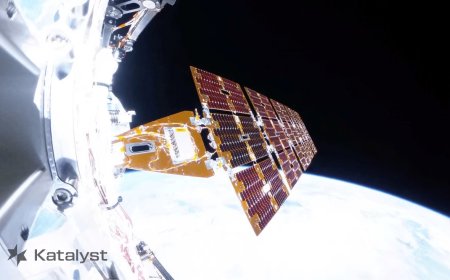
All 26 Starlink V3 satellites carried on the mission deployed successfully, and SpaceX established contact with each one. The satellites are expected to begin serving Starlink customers within the next few weeks.
The V3 spacecraft are more capable than the earlier satellites used to build SpaceX’s constellation, which now includes about 10,000 satellites. SpaceX has said a single full Starship launch carrying V3 satellites can add as much network capacity as 20 Falcon 9 launches carrying V2 Mini satellites.
The increased payload capacity is one reason Starship matters to Starlink’s future expansion. Using the larger rocket could allow SpaceX to place significantly more network capacity into orbit with each mission.
Super Heavy Completes Simulated Water Landing
SpaceX also made progress with the Super Heavy booster. After separating from Starship several minutes after launch, the booster returned toward the Gulf Coast and performed a simulated water landing.
It was the cleanest simulated landing yet for the V3 version of Starship, which SpaceX began testing in May. Monday’s mission was the third Starship V3 test, with each flight taking place roughly two months apart.
The flight was also SpaceX’s second Starship launch since the company went public. Its shares rose more than 1% in early Monday trading before falling after SpaceX announced that the orbital mission would end earlier than originally planned.
CEO Elon Musk has said he ultimately wants Starship to fly thousands of times per year. SpaceX is also planning a new Starbase launch complex in Louisiana that would be considerably larger than its existing Texas facility, with the company saying it intends to invest $100 billion in the project and begin construction next year.
What's Your Reaction?
 Like
0
Like
0
 Dislike
0
Dislike
0
 Love
0
Love
0
 Funny
0
Funny
0
 Angry
0
Angry
0
 Sad
0
Sad
0
 Wow
0
Wow
0