























Why Apple’s Cautious AI Strategy Is Beginning to Pay Off
Apple’s measured approach to artificial intelligence is gaining attention as competitors face challenges with rushed AI rollouts. Discover how Apple’s focus on privacy, ecosystem integration, and long-term innovation may give it a strategic advantage in the evolving AI market.
For several years, Apple has faced criticism for appearing to lag behind rivals in the race to develop artificial intelligence technologies. Critics have argued that the company’s lack of an aggressive AI roadmap has weakened its competitive position. At the same time, some Wall Street analysts have expressed concerns that the perceived gap could eventually affect iPhone demand.
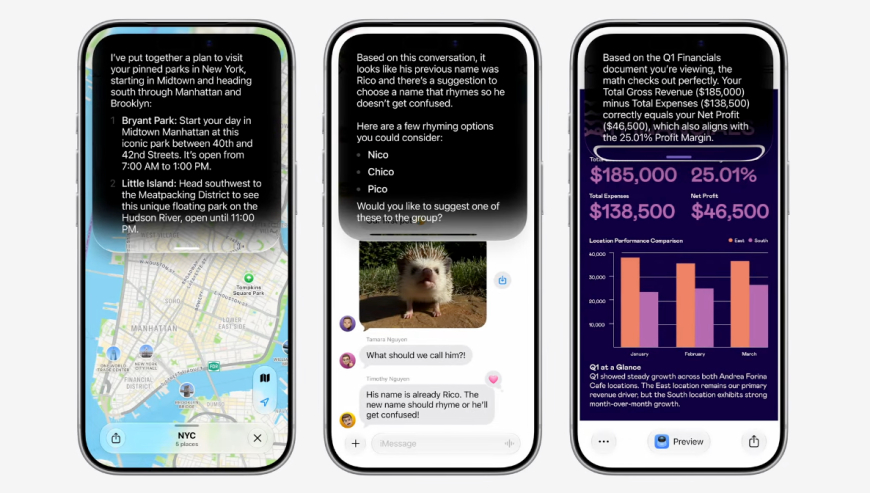
That backdrop makes Apple’s latest announcement particularly significant. The company has introduced what it describes as its most ambitious AI rollout yet: a new generation of Siri powered by advanced AI capabilities, including features enabled through a partnership with Google Gemini. Apple is integrating these tools deeply into the core of its software ecosystem.
Whether the move will finally silence claims that Apple is falling behind in the AI race remains uncertain.
The reality is that no one can answer that question with confidence yet. More importantly, it may not be the most relevant question. A more useful measure could be whether Apple users actually embrace these new features and, if they do, whether those capabilities translate into meaningful business benefits for the company.
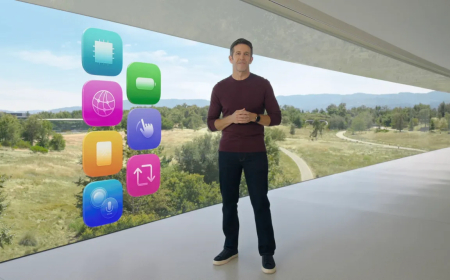
Before exploring that issue, it is worth noting an important message delivered during Monday’s presentation by Craig Federighi, Apple’s senior vice president of software engineering.
“Some appear to be racing forward, seemingly pursuing AI for the sake of AI, without clear regard for the people — all of us — that it’s ultimately meant to serve,” Federighi said. “At Apple, our mission has always been to turn the potential of advanced technology into helpful and intuitive products for everyone.”
The statement appeared to serve multiple purposes. On one hand, it pushed back against ongoing criticism that Apple has been slow to embrace AI. On the other hand, it acknowledged the mixed feelings many consumers have toward the technology. Public opinion surveys have shown growing scepticism about AI, and concerns continue to surface around job displacement, misinformation, and broader social impacts. Apple is increasingly positioning itself as the company focused on using AI in ways that directly benefit everyday users.
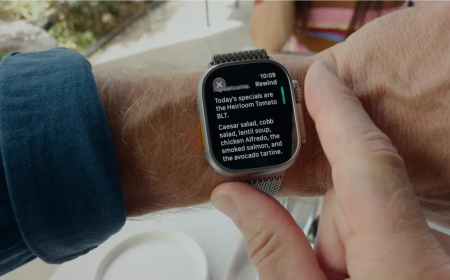
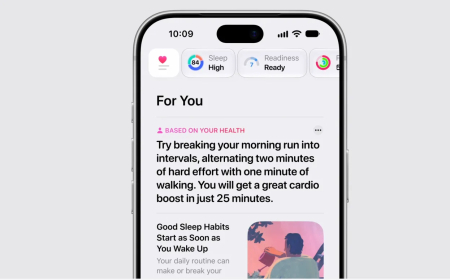
Based on the demonstrations shown during Monday’s event, that positioning is supported by tangible features. The upgraded Siri can retrieve information hidden deep within email threads and text conversations and then provide suggestions based on it. It can also use what Apple calls on-screen awareness, allowing it to understand and respond to content currently displayed on a user’s device. Through its Gemini integration, Siri can also access up-to-date information from the internet and provide quick responses without forcing users to leave the Apple ecosystem.
The assistant is designed to function smoothly across Apple’s range of devices, providing users with greater continuity and flexibility. Similar to other AI-powered assistants, Siri will also maintain conversation histories, making it easier for users to revisit previous interactions.
By embedding these capabilities directly into Siri, Apple may also gain an advantage over competing AI services that rely on standalone applications distributed through the App Store. Because Apple controls the operating system itself, integrating AI at that level could reduce some of the distribution benefits that third-party AI providers enjoy.
The key word, however, is “could.” Consumers will not have access to this version of Siri until later this year, when Apple releases it in beta form.
As a result, any definitive judgment must wait. What is already apparent, however, is that Apple is making a concerted effort to appeal directly to its user base. As a company whose business remains heavily centred on hardware, Apple’s objective is to make its devices more useful, intuitive, and convenient. The AI enhancements are intended to strengthen that experience and encourage users to spend even more time within Apple’s ecosystem.
The comparison with competitors is revealing and may represent the most important takeaway from Monday’s announcements. Consider OpenAI, which has continued to release new products and features at a rapid pace while still facing questions about whether its primary focus is consumers or enterprise customers. Meanwhile, Meta is investing enormous amounts of capital into AI initiatives without always clearly explaining how those investments connect to its core advertising-driven business model.
Against that backdrop, Apple’s slower and more disciplined strategy increasingly appears attractive. It may also prove to be financially stronger. Apple has not needed an all-out AI push to maintain business momentum. The company reported record iPhone sales during the previous quarter. At the same time, as questions continue to emerge regarding AI profitability and practical value, Apple is spending substantially less than many of its peers. The company plans approximately $14 billion in capital expenditures this year, compared with roughly $900 billion in combined commitments from other major technology companies, while continuing to generate enormous revenue.
Notably, Apple has also benefited financially from the AI boom itself. Many AI companies distribute their applications through Apple’s App Store, generating revenue for Apple through platform fees and related services.
In simple terms, Apple has managed to spend less, earn more, and now introduce a broad range of AI features that many iPhone users may view as comparable to those already available through third-party applications. Even if that approach does not fit the traditional definition of winning the AI race, it may ultimately prove to be one of the most effective and sustainable ways to compete in it.
What's Your Reaction?
 Like
0
Like
0
 Dislike
0
Dislike
0
 Love
0
Love
0
 Funny
0
Funny
0
 Angry
0
Angry
0
 Sad
0
Sad
0
 Wow
0
Wow
0