
































Karamo Brown Unveils Kē Wellness App Powered by His AI Digital Twin
Karamo Brown has launched Kē, a wellness app featuring an AI-powered digital version of himself that offers personalised guidance on fitness, mindfulness, relationships, and personal growth.

Karamo Brown, best known for his inspirational guidance on Netflix’s Queer Eye, has entered the wellness and artificial intelligence space with the launch of his new app, Kē. After dedicating the past year and a half to improving his own well-being—focusing on fitness, nutrition, meditation, sobriety, relationships, and personal development—Brown says he now wants to help others pursue similar goals.
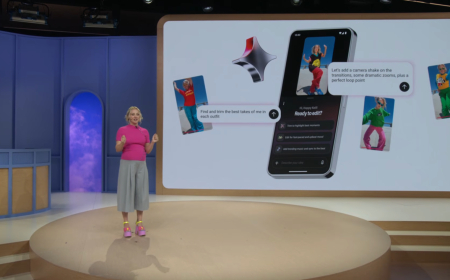
Kē offers a wide range of wellness features to support users in various aspects of their daily lives. The app creates personalised fitness programmes based on a user’s available workout equipment and schedule, and provides nutrition guidance by suggesting meal plans using ingredients already available at home. Users can modify both workout and meal recommendations by chatting with an AI assistant, allowing for a more customised experience. Every workout also includes guided instructional videos to help users perform exercises correctly.
For mental well-being, Kē offers a meditation library featuring videos tailored to different emotions and situations, helping users manage stress, anxiety, and other challenges. The app also includes a community section where people can participate in supportive groups focused on shared experiences such as sobriety, personal wellness, and self-improvement.
One of Kē’s standout features is “AI Karamo,” which allows users to interact with a digital version of Brown. Through real-time conversations, users can ask questions, seek guidance, and receive responses delivered in Brown’s own voice.
The AI experience is powered by the startup Delphi, which trained the digital clone using Brown’s interviews, podcast episodes, public appearances, and other content to reflect his personality and communication style closely. Delphi has also developed similar AI replicas for public figures, including Arnold Schwarzenegger.
“My best friend and sister to this day still talk to the AI clone when they can’t get hold of me,” Brown said.
The launch reflects a broader trend of celebrities embracing artificial intelligence. Public figures such as Matthew McConaughey and Michael Caine have partnered with ElevenLabs to license their voices for AI-generated digital versions.
At the same time, many celebrities have voiced concerns about AI, particularly over the unauthorised use of their likenesses and voices. Others have raised questions about users developing one-sided emotional attachments to AI versions of public figures.
Brown insists Kē is not designed to replace genuine human relationships. Instead, he describes it as a tool for self-improvement that encourages users to seek support from real people whenever necessary.
“If someone is struggling with a sensitive issue, it can direct them toward appropriate resources and remind them to seek support from real people in their lives,” Brown explained. “At the end of the day, this is meant to be a tool that helps people reflect, learn, and grow. It’s not a substitute for human connection.”
When asked whether there is any limit to how often users can interact with AI Karamo, Brown said people are free to use it as much as they need. However, he emphasised that the objective is not to keep users engaged with AI indefinitely but to help them make meaningful progress in their personal lives.
Brown also noted that safeguards have been built into the platform, with human moderators helping oversee the AI experience. However, users should remember that conversations with AI Karamo are processed through Delphi’s technology, making it advisable to avoid sharing highly sensitive personal information.
Reflecting on AI’s rapid evolution, Brown admitted he was initially doubtful about the technology.
“When AI first started becoming part of the conversation a few years ago, I was honestly pretty sceptical,” he said. “But the technology has evolved significantly, and what changed my perspective was seeing how thoughtfully companies like Delphi have approached it.”
Looking ahead, Delphi plans to add agentic AI capabilities to Kē, enabling the assistant to complete tasks on users’ behalf. For example, if AI Karamo recommends changes to a workout routine, it could eventually automatically update the user’s personalised fitness plan.
Kē is now available for both iOS and Android devices. After a three-day free trial, the app is available via a $ 14.99-per-month subscription.
What's Your Reaction?
 Like
0
Like
0
 Dislike
0
Dislike
0
 Love
0
Love
0
 Funny
0
Funny
0
 Angry
0
Angry
0
 Sad
0
Sad
0
 Wow
0
Wow
0