



































Lower-cost Tesla models fail to reverse declining sales trend
Tesla’s cheaper vehicle strategy is failing to boost sales, as demand weakens amid rising competition, pricing pressure, and shifting EV market dynamics.
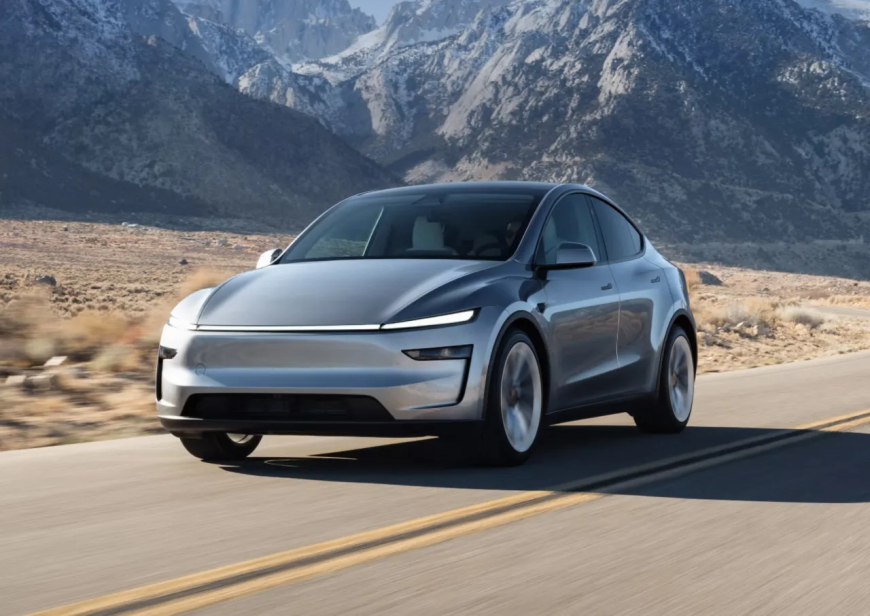
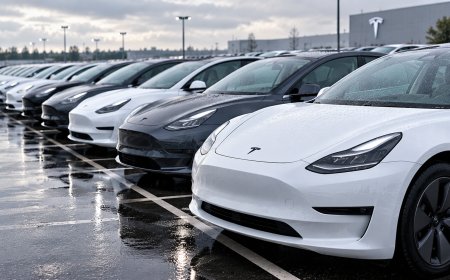
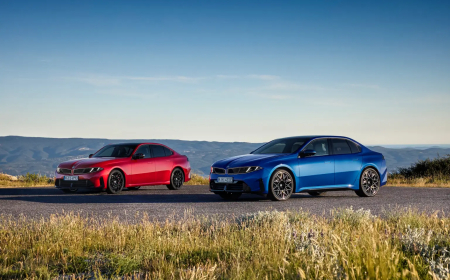
Electric vehicle manufacturer Tesla spent more than a year promoting the arrival of more affordable vehicles, and those models finally debuted last October. The company introduced simplified versions of the Model Y and Model 3, priced at $39,990 and $36,990, respectively. However, early results suggest that these lower-cost options have not significantly boosted overall sales performance.
According to figures released Thursday, Tesla delivered 358,023 vehicles globally during the first quarter, falling short of analyst expectations of approximately 368,000. At the same time, production outpaced deliveries, with the company manufacturing 408,386 vehicles over the same period.
The data indicate that Tesla’s deliveries increased by only about 6% compared to the first quarter of 2025 — a period already considered one of the company’s weakest in recent years. Temporary production shutdowns had impacted that earlier quarter as Tesla upgraded equipment, meaning the current year’s modest growth does not represent a strong rebound.
These results stand in contrast to Tesla’s earlier projections of achieving annual growth of around 50% in electric vehicle sales. With the current trajectory, the company is on track for a third consecutive year of declining annual sales, along with ongoing pressure on profitability.
Tesla is not alone in encountering challenges within the EV market, particularly in the United States. Traditional automakers have scaled back or cancelled previously ambitious electrification plans, while newer entrants are also struggling to gain traction. Rivian, for example, reported deliveries of just over 10,000 vehicles in the first quarter, a figure that has remained relatively consistent across recent quarters.
Rivian is preparing to introduce a more affordable model, the R2 SUV, which is expected to support future growth. However, the most affordable version of that vehicle is not expected to be available until late 2027, meaning any significant impact on sales will take time to materialise.
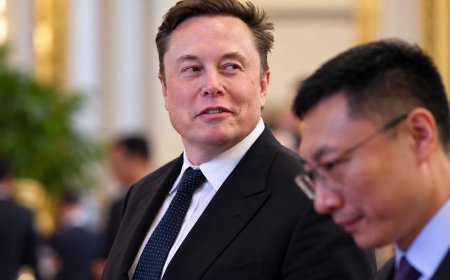
Tesla, meanwhile, does not currently have a new mass-market vehicle ready for launch. The company had previously been developing a lower-cost electric car expected to be priced around $25,000. However, CEO Elon Musk decided to cancel that project in favour of focusing on the company’s autonomous “CyberCab” initiative. Instead, Tesla opted to release the simplified versions of the Model Y and Model 3 as its primary lower-cost offerings.
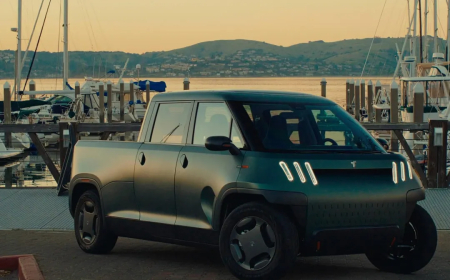
In recent years, Tesla’s only entirely new model introduction has been the Cybertruck. While the vehicle has outperformed other electric trucks in certain segments, it has not met the expectations set by the company and its leadership. During the first quarter, Tesla reported sales of 16,130 units in its “other models” category, which includes the Cybertruck along with the now-discontinued Model S and Model X.
Overall, the latest figures highlight the growing challenges Tesla faces in sustaining rapid growth within an increasingly competitive and evolving electric vehicle market.
What's Your Reaction?
 Like
0
Like
0
 Dislike
0
Dislike
0
 Love
0
Love
0
 Funny
0
Funny
0
 Angry
0
Angry
0
 Sad
0
Sad
0
 Wow
0
Wow
0