






































Microsoft Announces New Data Center Expansion, Pledges Not to Raise Local Power Bills
Microsoft unveils a community-first AI data centre expansion, pledging to cover its electricity costs, protect local power bills, reduce water usage, and address growing public backlash.
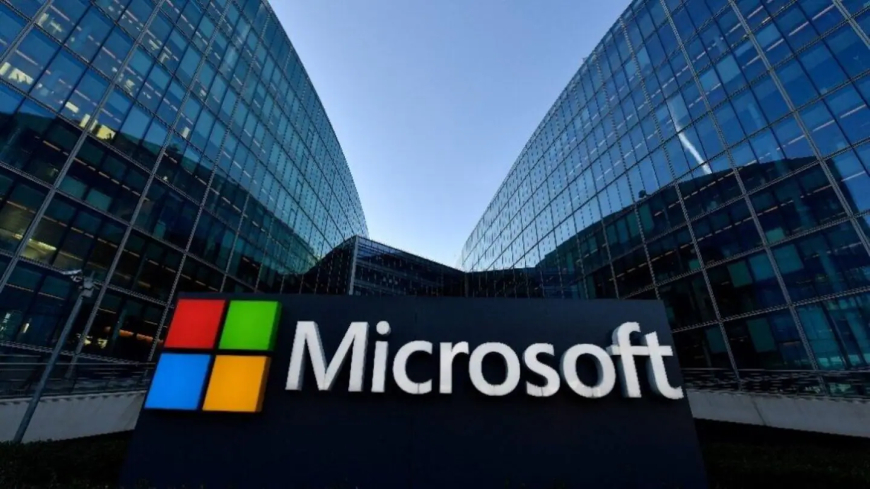
Even as opposition to data centre development has intensified over the past year, the world's largest technology companies continue to press ahead with significant investments in AI infrastructure. That includes Microsoft, which on Tuesday outlined what it calls a "community-first" approach to expanding its data centre footprint.
Microsoft's announcement came just one day after Mark Zuckerberg said Meta would roll out its own AI infrastructure initiative. The move itself was widely expected. Last year, Microsoft said it planned to spend billions of dollars expanding its AI capacity, driven in part by its partnership with OpenAI. What stands out this time is Microsoft's commitments regarding how those projects will affect local communities.
The company said it intends to take "the steps needed to be a good neighbor" in the places where it builds, owns, and operates data centres. A central part of that pledge is a promise to "pay its own way" for electricity use. Microsoft says it will work directly with local utility providers and state regulators to ensure that the rates it pays fully cover the strain its facilities place on the power grid, preventing those costs from being passed on to residents.
"We will work closely with utility companies that set electricity prices and state commissions that approve these prices," Microsoft said. "Our goal is straightforward: to ensure that the electricity cost of serving our data centers is not passed on to residential customers."
Microsoft also pledged to support job creation in the communities where new data centres are built and to limit the water consumption of those facilities. Water usage has become a contentious issue tied to data centre growth, with critics arguing that extensive facilities can strain local water supplies and contribute to broader environmental problems. At the same time, questions persist about how many long-term jobs such developments actually provide, making the company's employment promises particularly relevant.
The company's timing reflects the growing resistance it faces nationwide. Data centre construction has increasingly become a political flashpoint, with organised opposition emerging in communities across the country. Data Centre Watch, which tracks anti–data centre activism, has identified as many as 142 groups in 24 states actively organising against new projects.
Microsoft has already been affected by this backlash. In October, the company abandoned plans for a data centre in Caledonia, Wisconsin, citing overwhelmingly negative community feedback. In Michigan, a proposed facility in a small central township has prompted residents to protest in the streets. Meanwhile, in Ohio—where Microsoft is developing several data centre campuses—an opinion column published Tuesday sharply criticised the company and its peers, blaming them for contributing to climate change.
Concerns about the rapid expansion of AI infrastructure have also reached Washington. The White House has made AI buildout a significant priority, but energy costs have become a growing point of scrutiny. On Monday, Donald Trump posted on social media that Microsoft would make "major changes" to ensure Americans' electricity bills do not rise, saying those steps would prevent consumers from "picking up the tab" for the company's power use.
At this point, Microsoft is clearly aware that it is pushing against a tide of negative public opinion. Whether renewed assurances on electricity costs, environmental impact, and local jobs will be enough to ease that resistance remains to be seen.
What's Your Reaction?
 Like
0
Like
0
 Dislike
0
Dislike
0
 Love
0
Love
0
 Funny
0
Funny
0
 Angry
0
Angry
0
 Sad
0
Sad
0
 Wow
0
Wow
0