





































Nvidia’s New Data Centre Cooling System Aims to Reduce Water Consumption, but AI’s Water Challenges Remain
Nvidia has introduced a new liquid cooling system designed to reduce water consumption in data centres. Learn how the technology works, its environmental impact, and why AI’s overall water footprint remains a challenge.
Nvidia has unveiled a new warm-water cooling system that it says can significantly reduce water consumption inside AI data centres, with the company claiming the technology can eliminate “pretty much all water usage” within a facility, according to comments from an Nvidia executive.
“The water consumption challenge for data centres is largely solved,” Nvidia Chief Sustainability Officer Josh Parker recently told Axios.
However, that claim addresses only part of the overall picture. Even if water use inside data centres is dramatically reduced, AI infrastructure continues to rely heavily on electricity generation, much of which still comes from water-intensive fossil-fuel power plants.
At the heart of the discussion is how Nvidia measures water consumption. According to the company’s blog post, its calculations focus on the data centre itself. Water used within the facility is counted, while water consumed elsewhere in the supply chain is excluded.
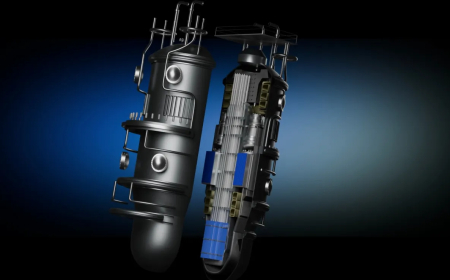
To its credit, Nvidia’s cooling technology appears to achieve its intended goal at the facility level. The system operates with coolant circulating in a sealed loop that is filled once and reused throughout the data centre’s lifespan. As a result, no additional water is required for cooling after installation. In suitable climates, Nvidia says this approach can reduce on-site water consumption by up to 100%.
The greater challenge lies beyond the facility’s walls. Water used in electricity generation and semiconductor manufacturing can account for two to three times a data centre’s total water footprint. As a result, Nvidia’s solution addresses only about one-quarter to one-third of the overall water consumption associated with AI infrastructure.
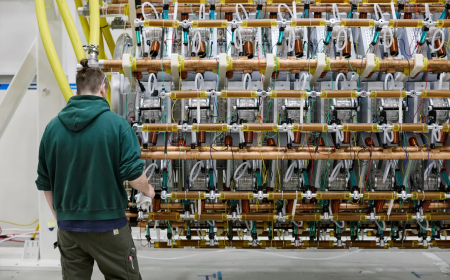
The cooling system uses an innovative approach, circulating coolant through server racks at approximately 45°C (113°F). While that temperature feels hot to people, it remains suitable for modern computer chips. After absorbing heat from the servers, the coolant exits at roughly 55°C (131°F), carrying away a substantial amount of thermal energy.
At those temperatures, passive radiators can dissipate heat to ambient air across many climates without relying on evaporative cooling systems or, in some situations, even on cooling fans. Eliminating chillers and fans would not only reduce water consumption but also improve energy efficiency and lower operating noise.
Despite those gains, every data centre still depends on a reliable electricity supply, and many forms of power generation continue to consume significant amounts of water.
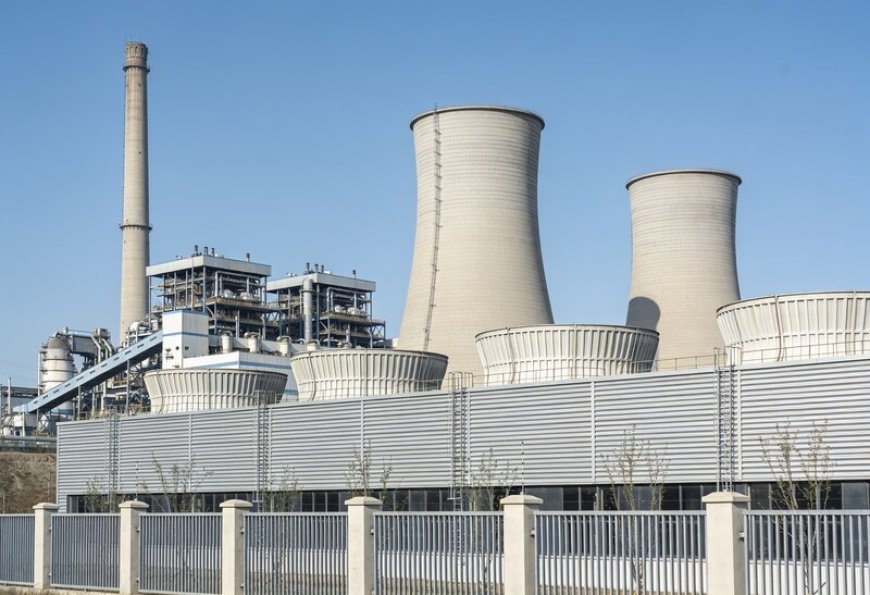
According to the U.S. Geological Survey, fossil fuel power plants are among the largest industrial water users in the United States, consuming approximately 2.7 billion gallons of water each day, primarily for evaporative cooling. A recent study found that natural gas power plants consume about 1.17 litres of water for every kilowatt-hour of electricity produced. In comparison, coal-fired plants require roughly 2.2 litres per kilowatt-hour. The International Energy Agency estimates that fossil fuel plants currently generate about half of the electricity powering data centres worldwide.
Hydroelectric power, which supplies around 10% of data centre electricity, does not consume water through combustion, but evaporation from reservoirs results in an estimated loss of 6.8 litres of water for every kilowatt-hour generated. Geothermal energy, another option increasingly being explored by technology companies, varies considerably depending on the underlying technology. Some enhanced geothermal developers, including Fervo, have pledged to rely primarily on degraded water that would otherwise remain unused.
Wind and solar energy require far less water by comparison. Estimates suggest wind power uses roughly 0.01 litres of water per kilowatt-hour, while solar consumes about 0.03 litres, including water associated with manufacturing equipment and cleaning solar panels.
Although renewable energy continues to account for a growing share of new electricity generation, the International Energy Agency projects that natural gas and coal will still provide more than 40% of the additional electricity required to meet rising data centre demand through 2030. Unless that energy mix changes significantly, AI data centres will continue to carry a substantial overall water footprint, regardless of how efficiently water is managed within their facilities.
What's Your Reaction?
 Like
0
Like
0
 Dislike
0
Dislike
0
 Love
0
Love
0
 Funny
0
Funny
0
 Angry
0
Angry
0
 Sad
0
Sad
0
 Wow
0
Wow
0