


























Phantom Hackers: The Unsolved Cybersecurity Mystery Behind Global Attacks
Discover the mystery behind ghost hackers, the anonymous cybercriminal groups responsible for major cyberattacks worldwide. Learn how cybersecurity experts are still struggling to identify and stop these hidden digital threats.
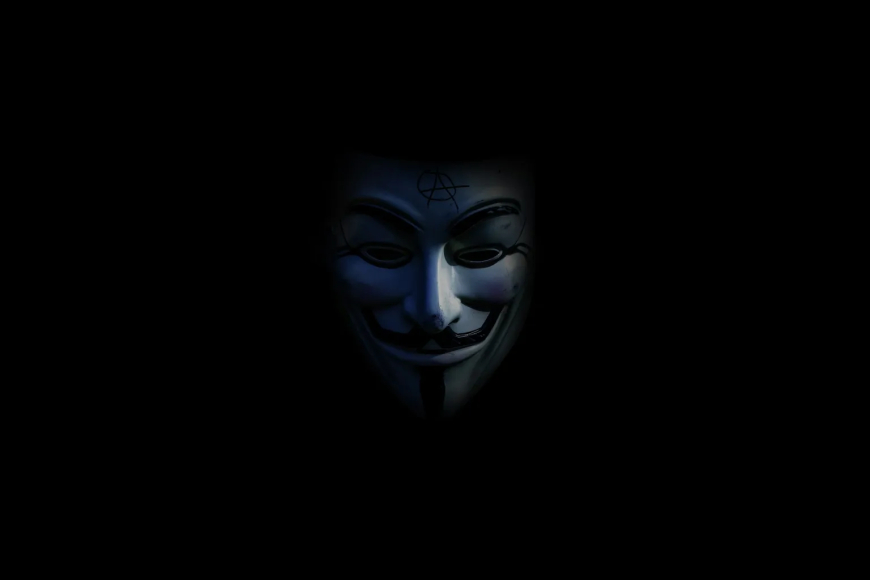
The history of cybersecurity is filled with high-profile hacks and data breaches that remain unsolved years later. While many well-known cybercriminal groups are eventually identified or arrested, some of the most significant hacking incidents in history still have no confirmed perpetrators, leaving unanswered questions and endless speculation.
Groups like LAPSUS$ eventually saw members arrested after carrying out attacks on companies, including Microsoft and Nvidia. Government-backed hacking groups linked to countries such as Russia and China have also been publicly identified over the years, with members indicted and added to international wanted lists.
Yet some cybersecurity mysteries remain completely unresolved. One of the most famous examples is the case of the Shadow Brokers, the anonymous hacking group that appeared online in 2016 and leaked what were believed to be some of the most sensitive cyberweapons ever developed by the National Security Agency.
The group surfaced amid heightened concerns about Russian cyber activity linked to the 2016 U.S. presidential election. The Shadow Brokers created a Twitter account and shared links to a Pastebin post, oddly tagging several news organisations in tweets that many reporters likely never even noticed.
Those who followed the links found a document titled “Equation Group Cyber Weapons Auction — Invitation.” The reference to the “Equation Group” was significant because cybersecurity researchers had long associated the name with a highly secretive NSA-linked hacking operation.
In the post, the hackers mocked governments involved in cyber warfare and claimed they had successfully breached the Equation Group itself. They offered samples of stolen hacking tools and included an encrypted archive that supposedly contained even more powerful cyberweapons. The group claimed that interested buyers could decrypt the archive after submitting bids of at least 1 million Bitcoin.
“Auction files better than Stuxnet,” the hackers wrote, referencing the famous cyberweapon used against Iranian nuclear facilities in a joint U.S.-Israeli operation years earlier.
The leak immediately attracted global attention. Once security researchers analysed the files, many concluded that the tools were authentic and had likely been stolen directly from the NSA. Some of the leaked programs even shared names with surveillance tools previously exposed by NSA whistleblower Edward Snowden.
The auction itself appeared to be more of a publicity stunt than a serious attempt to sell the tools. Months later, the Shadow Brokers released many of the cyberweapons publicly for free, further deepening the mystery surrounding their motives.
The group’s unusual communication style also raised suspicions. Their broken English appeared exaggerated, leading some researchers to believe it may have been intentionally written that way to disguise the real identities or origins of those behind the leaks.
Despite generating enormous media coverage, the Shadow Brokers almost completely avoided public interaction. The group only gave one known interview, speaking briefly with journalist Joseph Cox while he was working at VICE Motherboard, now part of 404 Media.
Nearly a decade later, nobody has been officially identified or charged in connection with the leaks. Former NSA employees interviewed over the years suggested that an insider or former contractor may have been involved, but no evidence has ever been publicly confirmed to support that theory.
One early suspect was Harold T. Martin III, an NSA contractor arrested for stealing classified information. However, that theory weakened after investigators noticed that the Shadow Brokers continued to release material even after Martin was in custody. He was never formally charged in connection with the leaks.
Today, one of the most widely accepted theories is that the Shadow Brokers operation was connected to Russian intelligence and was used, in part, as a propaganda effort during a period of heightened geopolitical tensions.
The impact of the leak was enormous and continues to shape cybersecurity today. Among the tools released was EternalBlue, a collection of powerful Windows vulnerabilities that enabled attackers to spread malware through computer networks rapidly. Because the vulnerabilities were previously unknown to Microsoft, they were considered dangerous “zero-day” exploits.
North Korean hackers later used the EternalBlue exploit in the global WannaCry ransomware attack, which crippled hospitals, businesses, and government systems worldwide. Russian-linked hackers also used the same exploit in the devastating NotPetya cyberattack, which caused an estimated $10 billion in global damages after spreading far beyond its intended Ukrainian targets.
For businesses and cybersecurity experts, the Shadow Brokers leak served as a warning about the risks of intelligence agencies secretly stockpiling software vulnerabilities. Once those tools escape into the public domain, the consequences can affect governments, companies, and ordinary users around the world.
Even years later, researchers continue to uncover new details hidden in the leaked files. One recently analysed tool known as “Fast16” reportedly contained malware dating back to 2005 that was allegedly designed to interfere with software used by Iranian nuclear scientists.
The identity of the Shadow Brokers remains one of cybersecurity’s biggest unanswered questions, and the full consequences of the group’s leak are still unfolding nearly ten years later.
What's Your Reaction?
 Like
0
Like
0
 Dislike
0
Dislike
0
 Love
0
Love
0
 Funny
0
Funny
0
 Angry
0
Angry
0
 Sad
0
Sad
0
 Wow
0
Wow
0