

































Samsung Warns Memory Shortage Will Worsen Through 2027
Samsung expects the global memory chip shortage to intensify through 2027 as AI demand continues to strain supply until at least 2028.
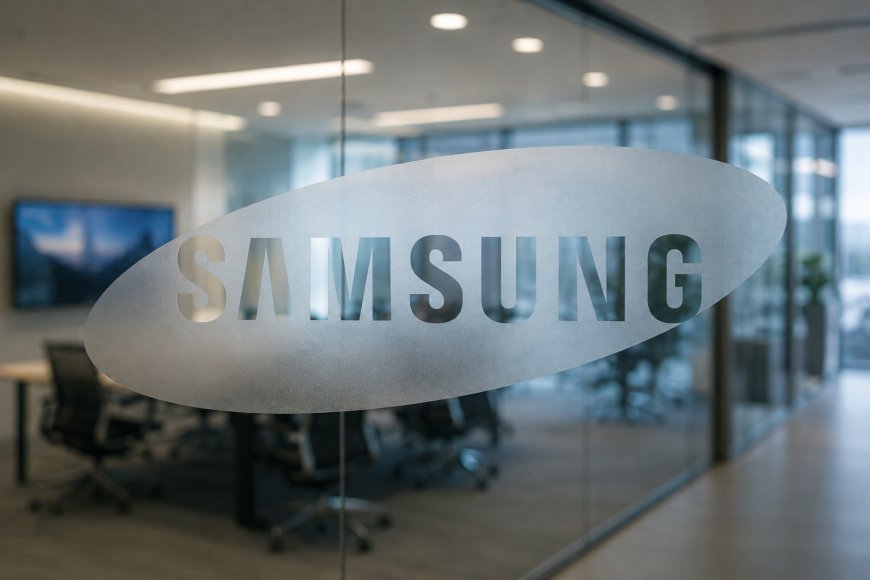
The global shortage of memory chips is expected to continue into next year and become even more severe throughout 2027, with supply remaining tight until at least 2028, according to Samsung, one of the world's largest memory chip manufacturers.
During its second-quarter earnings call, Samsung said leading AI companies are already sharing medium- and long-term demand forecasts directly with the company in an effort to secure future memory supplies.
The Korean technology giant manufactures roughly one-third of the world’s memory chips, making it a key supplier for AI infrastructure and consumer electronics.
AI demand reshapes the memory market.
Samsung said the surge in demand from frontier AI developers has enabled the company to prioritise customers willing to commit to long-term supply agreements.
Those multi-year contracts provide greater visibility into future demand, allowing Samsung to expand production capacity with more confidence while avoiding the sharp boom-and-bust cycles that have historically affected the memory industry.
The AI-driven shortage has also pushed memory chip prices significantly higher in recent months.
While Samsung’s semiconductor division recorded its highest-ever second-quarter sales, its smartphone and television businesses experienced weaker profitability because higher memory prices increased manufacturing costs.
Consumers facing higher device prices
Samsung has already begun passing some of those higher component costs on to consumers by increasing prices for Galaxy smartphones and tablets.
The company acknowledged that demand for those devices has softened following the price increases.
The ongoing memory shortage—often referred to as "RAMageddon"—has also affected competitors.
Apple recently inc“eased pric”s for several MacBooks, Macs and iPads, while warning investors that revenue growth is expected to slow in the coming quarter.
As memory manufacturers continue directing more production capacity toward AI data centres instead of consumer electronics, device prices are expected to remain under pressure.
Nvidia is also expected to raise consumer graphics card prices by between 20% and 30%, a move that could further increase the cost of gaming PCs, laptops, consoles and other consumer hardware.
What's Your Reaction?
 Like
0
Like
0
 Dislike
0
Dislike
0
 Love
0
Love
0
 Funny
0
Funny
0
 Angry
0
Angry
0
 Sad
0
Sad
0
 Wow
0
Wow
0