


































Samsung Removes Smart TV Apps That Shared Users’ Internet Connections With Strangers
Samsung is removing Smart TV apps containing residential proxy software after security researchers warned the apps could share users’ internet connections with outsiders.
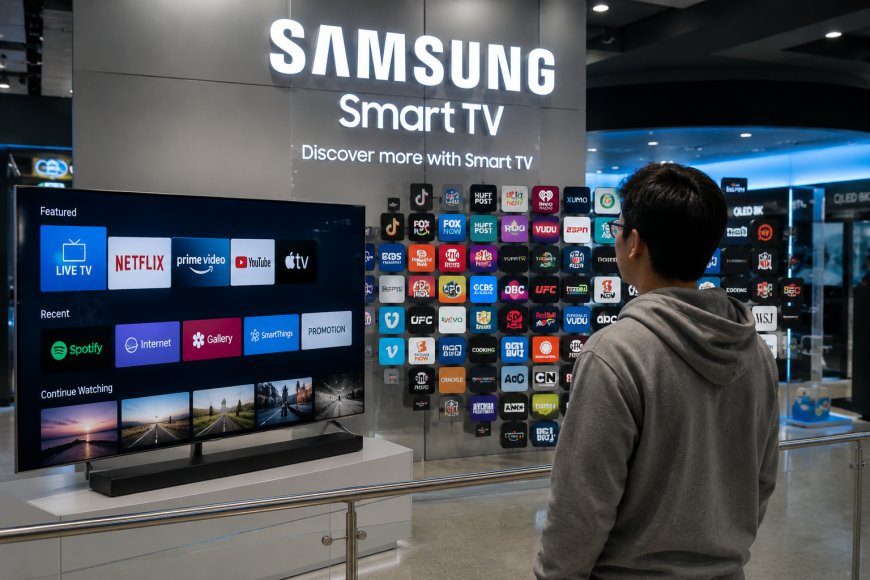
Samsung says it is removing Smart TV applications that contain residential proxy software after new cybersecurity research found that several apps available through its app store could allow users’ internet connections to be shared with outsiders. The company also confirmed it has blocked new app submissions containing the technology and is introducing stricter developer policies to prevent similar software from appearing on its platform.
The action follows research published Monday by Norwegian cybersecurity firm Mnemonic, which examined how certain Smart TV applications can embed residential proxy, or “resproxy,” software. According to the researchers, some of the affected apps claim to have been installed on hundreds of millions of Samsung televisions, potentially exposing a significant number of devices if the software is misused.
Among the applications identified during the research was a Pac-Man game that had been featured in Samsung’s “Editor’s Choice” section. Researchers said the game included residential proxy code even though its primary function appeared unrelated to networking or internet sharing.
How residential proxy software works
Residential proxy networks route internet traffic through ordinary home and office internet connections instead of commercial data centres. When enabled, a device can act as an exit node, allowing third parties to send web traffic through that connection. Researchers said this process can continue even after the application itself is no longer actively being used.
Mnemonic said many Smart TV apps are little more than lightweight shells that load content from external websites. Because app reviews may focus only on the limited code submitted to an app store rather than the remotely hosted content, researchers warned that “what was reviewed is not necessarily what is running.”
The company described this combination of lightweight apps, external content loading and embedded proxy software as creating conditions that allow low-quality applications to remain available while exposing users to unnecessary risks.
Samsung announces platform-wide changes.
In response to the findings, Samsung said it has already restricted new Smart TV app registrations that include proxy functionality and is removing applications that contain residential proxy software.
"We have already restricted new app registrations that incorporate such proxy functionalities on our Smart TV platform," a Samsung spokesperson said. The company added that it is implementing stricter developer policies that explicitly prohibit residential proxy software development kits and is identifying apps currently available in its store that include those components.
Samsung’s decision comes roughly a month after LG announced a similar policy. That move followed reporting that approximately 42% of apps available through LG’s Smart TV app store contained residential proxy software.
Researchers examine a proxy network.
The Mnemonic report also provides a detailed look at how residential proxy networks operate. Similar software has previously appeared in smartphone applications, digital picture frames and Android streaming devices, allowing those products to share their internet connections with paying third parties.
Researchers noted that residential proxies themselves are not inherently illegal. They can be used to bypass internet censorship by routing traffic through residential networks. AI companies also rely on residential proxy services to collect publicly available data from multiple online sources for AI model training.
However, cybersecurity firms have increasingly linked residential proxy networks to cybercrime because they can allow hackers or other malicious actors to disguise their activity behind legitimate residential internet connections. Since the traffic typically appears to originate from ordinary households and is generally encrypted, investigators often have difficulty identifying or inspecting suspicious activity.
Pac-Man app contained Bright Data code.e
To better understand the software, Mnemonic offensive security consultant Harrison Sand rooted a Samsung Smart TV and analysed network traffic flowing through the device. During the investigation, he found that the Pac-Man application contained residential proxy code developed by Bright Data. This Israel-based company operates large residential proxy networks and provides access to web-scraped datasets.
According to Sand, simply opening the Pac-Man application loaded Bright Data’s proxy software, but it did not automatically transform the television into an active exit node. Instead, the proxy remained inactive until the user accepted a consent screen, after which it continued operating in the background until the application was removed.
Sand warned that although user consent currently activates the functionality, a simple modification to server-side code could potentially enable proxy capabilities across a large number of devices. During his testing, some of the network traffic suggested the proxy service was being used for large-scale LinkedIn profile scraping and the collection of data for AI training. However, he emphasised that he observed only a small portion of the traffic passing through Bright Data’s network.
What's Your Reaction?
 Like
0
Like
0
 Dislike
0
Dislike
0
 Love
0
Love
0
 Funny
0
Funny
0
 Angry
0
Angry
0
 Sad
0
Sad
0
 Wow
0
Wow
0