





































Waymo launches robotaxi service at San Antonio International Airport
Waymo launches robotaxi services at San Antonio International Airport, expanding innovation in autonomous ride-hailing and airport transportation.
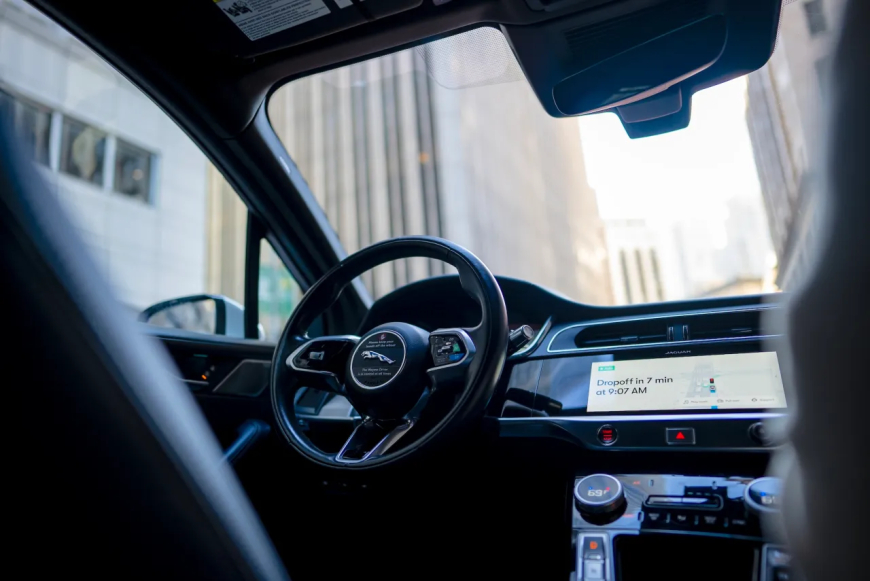
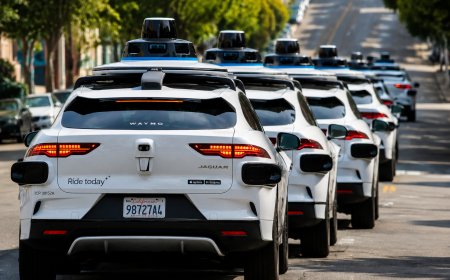
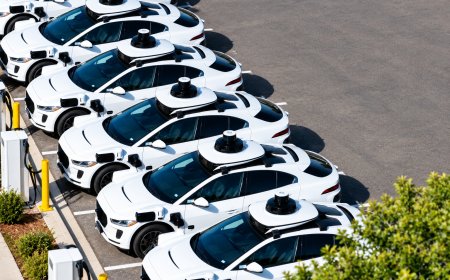
Autonomous driving company Waymo is launching its robotaxi service at its fourth major airport today, bringing operations to San Antonio International Airport. The company confirmed that its vehicles will offer curbside drop-offs at terminal entrances, while passenger pickups will occur at the airport’s designated rideshare zones.
This marks the first airport in Texas to receive Waymo’s robotaxi service. The company is already operating in several cities across the state, including San Antonio, Austin, Dallas, and Houston. Previously, Waymo introduced airport services at Phoenix Sky Harbour International Airport, where it has offered pickups and drop-offs for several years. More recently, it expanded access to San Francisco International Airport and San Jose Mineta International Airport, as well as several smaller regional airports.
Waymo initially launched its robotaxi operations in San Antonio in February, though the service has not yet been fully opened to the general public. Instead, the company has been running an invitation-based rollout, gradually expanding access over time — a strategy it previously followed in Dallas, Houston, and Orlando. On Tuesday, the company stated that it has already onboarded “tens of thousands of people” into its San Antonio program and intends to make the service available to all public riders in the city in the near future.
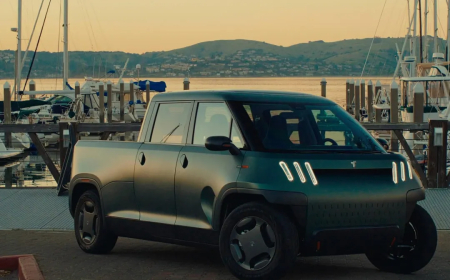
This gradual rollout reflects a cautious approach, even as Waymo continues a year of rapid growth. The company has outlined plans to expand into roughly 20 additional cities this year, including international markets such as Tokyo and London. At present, Waymo’s robotaxi network operates in 10 cities and is delivering more than 500,000 paid rides each week — approximately double the volume it recorded at the same time last year. The company is also preparing to introduce rides using a new vehicle platform, the Zeekr-built van known as Ojai, later this year.
Waymo has published data indicating that its autonomous vehicles are already demonstrating higher safety performance compared to human drivers, particularly in reducing serious crashes. However, the company continues to face operational challenges as it expands its footprint.
Among these challenges are incidents in which Waymo robotaxis were found to have illegally passed school buses while children were boarding or exiting. These cases are currently under investigation by both the National Highway Traffic Safety Administration (NHTSA) and the National Transportation Safety Board (NTSB). While Waymo has deployed software updates to address the issue, it is still collaborating with local authorities in Austin — where the majority of these incidents have been recorded — to improve how its vehicles respond in such scenarios, according to Wired.
In addition, both the NTSB and NHTSA are reviewing another incident in which a Waymo robotaxi collided with a child at low speed in Santa Monica. Reports indicate that the child sustained minor injuries. Waymo stated that the vehicle reduced its speed from 17 miles per hour to six miles per hour before impact.
As the company scales its operations, more details are emerging about the infrastructure supporting its autonomous fleet. Waymo employs dozens of “remote assistance” specialists based in the United States and the Philippines, who provide real-time support when vehicles encounter complex or unexpected situations. Additionally, the company has teams dedicated to “roadside assistance,” working alongside emergency responders when a vehicle becomes immobilised or requires on-site intervention.
What's Your Reaction?
 Like
0
Like
0
 Dislike
0
Dislike
0
 Love
0
Love
0
 Funny
0
Funny
0
 Angry
0
Angry
0
 Sad
0
Sad
0
 Wow
0
Wow
0