



























Amazon begins displaying AI-generated product images in search results
Amazon is testing AI-generated product images in search results to improve product discovery and visual shopping experiences for customers.
Amazon announced on Wednesday that it is introducing AI-generated product imagery into its shopping experience, displaying synthetic visuals directly within search results based on customer queries. The new feature is designed to help shoppers discover products even when they may not know the exact terminology needed to describe what they are looking for.
According to Amazon, many customers have a general idea of the product they want but struggle to identify the specific keywords that will return the most relevant search results. The company points to examples such as furniture materials like “rattan” or clothing styles such as a “cow’s neck” shirt, where shoppers may know the appearance they want but not necessarily the correct product description.
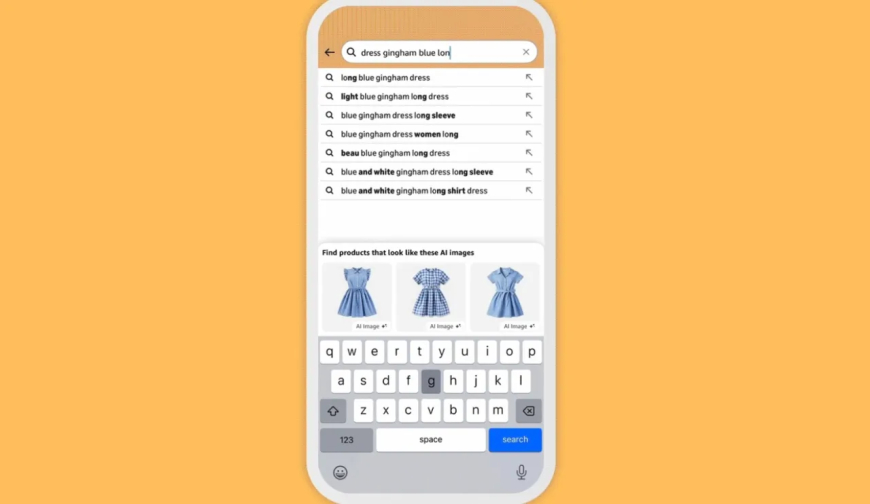
Under the new system, when users enter a search term into Amazon’s shopping app, they may see a collection of AI-generated product images displayed beneath the autocomplete suggestions. These visuals are intended to serve as style references that help narrow down search intent before customers browse actual products.
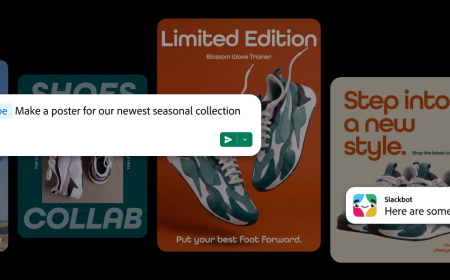
For example, someone searching for a blue gingham dress might be shown several AI-generated interpretations of that style. The images could feature variations in sleeve length, dress length, fit, and other design characteristics. By selecting one of those visual options, users would be directed to search results that more closely align with the style of the generated image.
Amazon says the experience is powered by its visual search technology and is designed to make product discovery more intuitive, particularly for shoppers who find it difficult to express their preferences through text alone.
The feature represents the latest step in Amazon’s broader effort to incorporate artificial intelligence into its retail platform. However, the decision to use AI-generated imagery rather than actual product photographs raises questions about how consumers will interact with the feature.
Because the images are not photographs of products that are necessarily available for purchase, some users may assume they are viewing actual items sold on Amazon. That could potentially create confusion if shoppers expect to find the exact product depicted in the generated image but are instead presented with similar alternatives.
The rollout also highlights an unusual approach for an online marketplace that already hosts millions of real product listings with authentic photographs. Traditionally, shoppers browse actual products when searching online, making the use of synthetic images as an intermediary step a notable shift in the shopping experience.
The new capability follows several other artificial intelligence initiatives that Amazon has introduced across its retail ecosystem in recent years, with varying degrees of consumer adoption and utility.
Among the more practical applications, Amazon already uses AI to summarise customer reviews, allowing shoppers to quickly understand common advantages and disadvantages without reading large volumes of individual feedback.
The company has also experimented with more unconventional AI-powered features. Last year, Amazon introduced audio product summaries in which AI-generated experts discuss key product highlights in a format resembling a short podcast episode.
Additional AI-driven shopping tools launched recently include automatically generated “shoppable collages” that guide users toward curated fashion collections; Amazon Lens Live for visual product matching via a smartphone camera; enhanced visual search capabilities that support text prompts; and a Lock Screen visual search widget for iOS devices.
Amazon continues to expand these efforts as artificial intelligence becomes a larger part of its customer experience strategy.
Earlier this month, the company also made changes to its AI-powered shopping assistant offerings. Amazon replaced its Rufus chatbot with Alexa for Shopping, allowing customers to search for products using more natural language through both voice and text interactions.
The introduction of AI-generated product imagery represents another example of Amazon’s ongoing push to blend generative AI with online retail. Whether the feature ultimately improves product discovery or creates new challenges for shoppers remains to be seen. Still, it clearly reflects the company’s broader ambition to make artificial intelligence a central component of how customers search, browse, and shop on its platform.
What's Your Reaction?
 Like
0
Like
0
 Dislike
0
Dislike
0
 Love
0
Love
0
 Funny
0
Funny
0
 Angry
0
Angry
0
 Sad
0
Sad
0
 Wow
0
Wow
0