






























Andrew Yang Says Cutting Living Costs Could Be the Next Major Startup Opportunity
Andrew Yang believes startups focused on reducing housing, healthcare, transportation, and daily expenses could unlock major economic opportunities while helping consumers manage rising living costs.
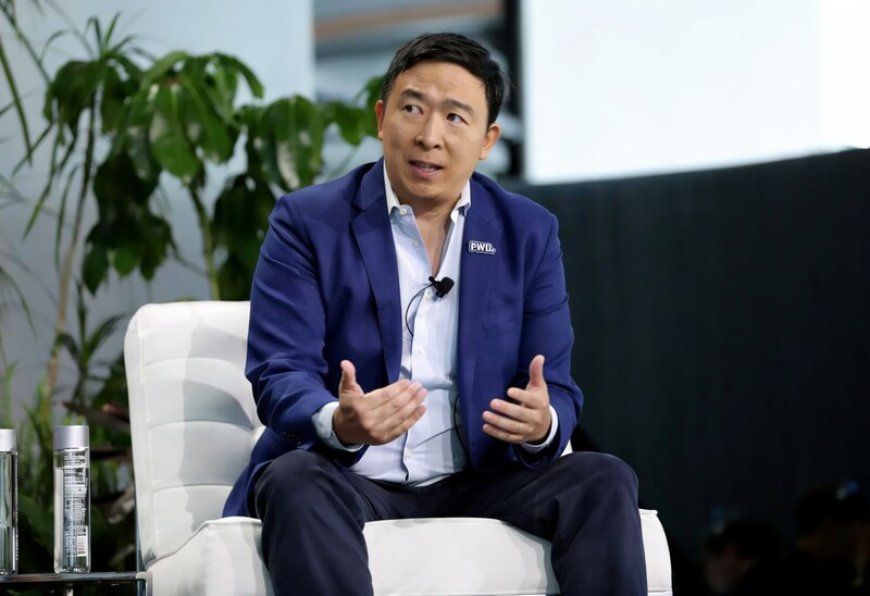
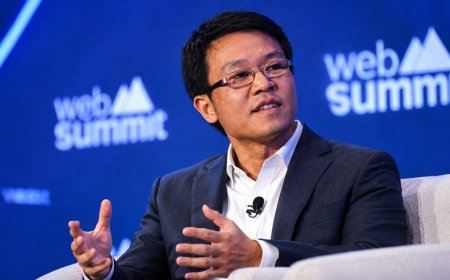
Entrepreneur and former U.S. presidential candidate Andrew Yang believes the next significant startup opportunity may come from helping consumers reduce everyday expenses rather than finding new ways to extract value from them.
Speaking on a recent episode of Equity, Yang said the idea was inspired by billionaire entrepreneur Mark Cuban and his healthcare venture Cost Plus Drugs, which focuses on selling prescription medications at cost. That example led Yang to identify several major spending categories in which startups could deliver direct value to consumers.
“Housing, education, food, fuel, transportation, media, and wireless,” Yang said. “The things we all spend money on.”
Yang chose the wireless sector and launched Noble Mobile last September. The mobile virtual network operator offers lower-cost cellular service and rewards customers with money back when they use less data.
As artificial intelligence continues to reshape the labour market, Yang believes reducing the cost of living could become one of the most promising business opportunities. He pointed to companies such as Cost Plus Drugs, Noble Mobile, Light Phone, and the online grocery retailer Misfits Market as examples of businesses that create value by passing savings back to customers.
“AI is going to suck up a lot of the value and the jobs, and then Americans are going to look up and say, ‘How do I meet basic needs?’” Yang said. He added that helping people meet those needs more affordably represents “a very rich vein of opportunity.”
The idea is closely connected to Yang’s long-standing advocacy of Universal Basic Income. During his 2020 presidential campaign, he argued that direct cash payments could help address job displacement and wealth concentration driven by AI. Although the campaign ended years ago, Yang believes the underlying concerns remain relevant.
He continues to support UBI and argues that some of the wealth generated by AI companies should ultimately reach ordinary Americans. However, he is less certain that government programmes alone will be the mechanism for that redistribution.
“There is room for a direct connection between the money and the people,” Yang said.
Yang sees market-based solutions as another path forward. Noble Mobile, he said, is intended to demonstrate that businesses can succeed while sharing value with customers. Since its launch, the company has attracted thousands of subscribers and generated millions of dollars in revenue.
“We’re unit profitable per customer, but we just share the profits with our subscribers with the idea that it’ll make you happy, you’ll stay around, and maybe you’ll tell your friends and family,” Yang said.
Despite investor enthusiasm for artificial intelligence, Yang acknowledged that consumer-focused companies with lower margins and social missions can still face challenges attracting capital.
“I had at least one investor say to me around Noble Mobile, ‘Love you, Andrew, want to work with you — if you could just make this an AI company, we’ll invest,’” he said.
Even so, Yang believes founders should focus on solving meaningful problems and avoid following industry groupthink. “Think bigger and more broadly about trying to tackle problems,” he said, adding that there are still valuable opportunities waiting to be built.
What's Your Reaction?
 Like
0
Like
0
 Dislike
0
Dislike
0
 Love
0
Love
0
 Funny
0
Funny
0
 Angry
0
Angry
0
 Sad
0
Sad
0
 Wow
0
Wow
0