







































Electricity costs surge 76% on America’s largest power grid amid growing scrutiny
Power prices on America’s largest electric grid have surged 76%, with regulators and watchdog groups raising concerns over market operations and rising energy costs.
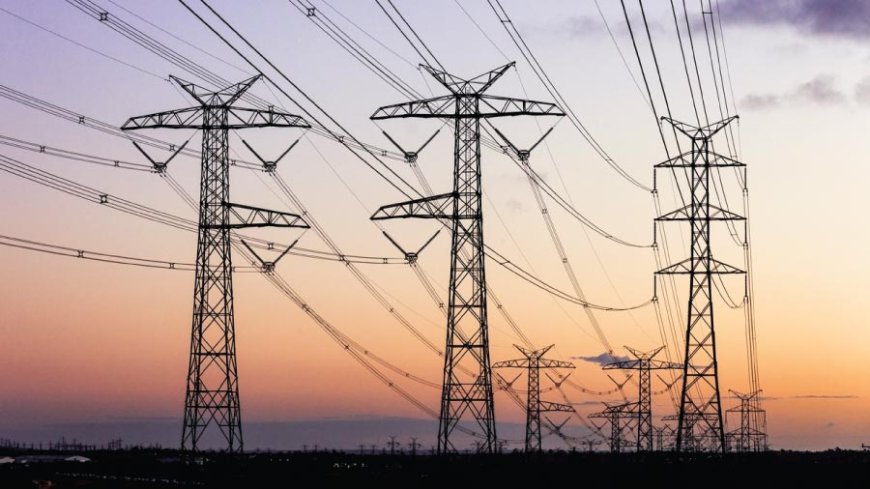
Electricity prices across the largest power grid in the United States have surged sharply over the past year, with a new report pointing to rapidly growing data centre demand as a major factor behind the increase.
According to a report published by Monitoring Analytics, the independent market monitor that oversees the PJM Interconnection grid, wholesale electricity prices climbed to $136.53 per megawatt-hour, compared with $77.78 during the same period last year. That represents an increase of nearly 76%. Crain's Chicago Business first reported on the spike in electricity costs.
Monitoring Analytics directly linked the increase to the explosion in data centre construction and electricity demand, while also criticising PJM Interconnection for what it described as an inadequate response to the changing power landscape.
"The price impacts on customers have been very large and are not reversible," Monitoring Analytics stated in the report. "The price impacts will be even larger in the near term unless the issues associated with data centre load are addressed promptly."
PJM Interconnection operates the largest regional electrical grid in the country, covering all or parts of 13 states and Washington, D.C. The grid includes Northern Virginia, home to one of the world's largest concentrations of data centres, where major technology companies continue to build AI and cloud infrastructure at a rapid pace.
The report argued that rising demand from data centres has significantly tightened electricity supply conditions across the region. Monitoring Analytics said that without the surge in data centre demand, "the capacity market would not have seen the same tight supply demand conditions, the same high prices observed." The watchdog also warned that the existing electricity supply on the PJM grid is no longer sufficient to meet future demand. "The current supply of capacity in PJM is not adequate to meet the demand from large data centre loads and will not be adequate in the foreseeable future," the report stated.
The findings add to growing concerns that the U.S. electrical grid was not designed to support the massive energy requirements of an AI-driven economy, particularly as artificial intelligence companies continue to build large-scale data centres that consume enormous amounts of electricity. Monitoring Analytics also criticised PJM's handling of infrastructure planning and system upgrades.
In 2022, just as demand for data centres was accelerating, PJM paused applications for new electricity-generating projects due to a backlog that had accumulated over several years. The organisation only recently resumed accepting new requests. The report additionally accused PJM of delaying important software and operational upgrades needed to manage rising demand more effectively. "These upgrades have been delayed by multiple years and have no firm expected implementation date," Monitoring Analytics wrote.
The report arrives shortly after PJM released a white paper examining possible paths forward for the grid's future. However, some utilities operating within the PJM system have criticised those proposals. American Electric Power (AEP), one of the region's largest utility companies, has even threatened to leave the PJM grid entirely over concerns about how the system is managed. Monitoring Analytics was similarly critical of PJM's proposals, arguing that the organisation was attempting to use the current crisis to justify major changes to how the electricity market operates. The core elements of the PJM market design remain robust,” the report said, suggesting that the current issues stem more from operational failures and the rapid growth of data centre demand than from flaws in the broader market structure itself.
The report concluded that solving the crisis will require directly addressing the impact data centres are having on electricity demand across the grid. The solution starts with the recognition that the source of the current issues is data centre load,” Monitoring Analytics stated. As artificial intelligence adoption continues to accelerate and technology companies invest billions in AI infrastructure, pressure on power grids across the United States is expected to remain a growing concern for utilities, regulators, and consumers alike.
What's Your Reaction?
 Like
0
Like
0
 Dislike
0
Dislike
0
 Love
0
Love
0
 Funny
0
Funny
0
 Angry
0
Angry
0
 Sad
0
Sad
0
 Wow
0
Wow
0