







































India Reportedly Asks Quick-Commerce Firms to Drop 10-Minute Delivery Promises
India’s labour ministry has urged quick-commerce companies to drop 10-minute delivery promises, citing growing safety and welfare concerns for gig workers in the rapidly expanding sector.
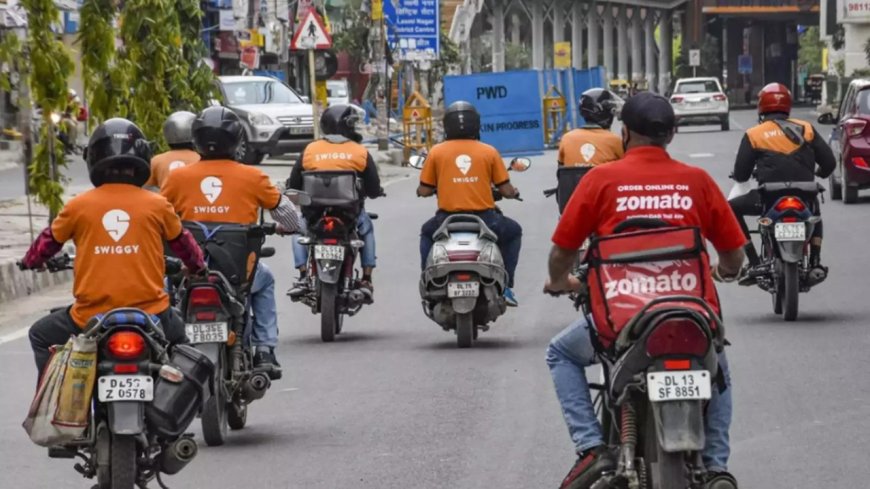
India’s labour ministry is urging the country’s fast-growing quick-commerce industry to place greater emphasis on the health, safety, and overall well-being of gig workers.
According to a Bloomberg report, the minister of labour and employment, Mansukh Mandaviya, recently met with senior executives from Blinkit, Instamart (Swiggy), and Zepto. During the meeting, the companies were asked to reconsider marketing language that promises 10-minute delivery and to discuss steps to improve working conditions and safety for delivery workers. The report cited anonymous sources familiar with the discussions.
Although ultra-fast delivery models have struggled in several global markets, they have expanded rapidly in India over the past few years. Consumers in major cities have grown accustomed to receiving everything from groceries to electronics, including PlayStation 5 consoles, within 10 to 15 minutes.
To meet this demand, companies such as Zepto, Blinkit, and Instamart have raised and invested hundreds of millions of dollars to build networks of so-called “dark stores” — small, strategically placed warehouses that serve as local fulfilment hubs. They have also significantly expanded their delivery fleets amid intensifying competition in India’s fast-growing e-commerce sector.
As the industry has scaled, pressure on delivery workers has increased. On New Year’s Eve, more than 200,000 gig workers protested across major Indian cities during one of the busiest delivery periods of the year, according to the South China Morning Post, citing the Indian Federation of App-Based Transport Workers. Protesters called for legal safeguards, social security benefits, higher pay, and reforms to automated penalty systems that penalise workers for delayed deliveries. Safety concerns have also been raised about delivery workers rushing through traffic to meet strict deadlines.
“Ultra-fast delivery models of 10–15 minutes materially change the risk and stress profile of gig work,” Prabir Jha, founder and CEO of Prabir Jha People Advisory, told the outlet.
In response to worker protests and increased scrutiny from the labour ministry, Blinkit has already removed promotional messaging that guaranteed 10-minute deliveries, and competing platforms are expected to take similar steps, Bloomberg reported.
The development follows recent regulatory changes in India. Just over a month ago, the government granted legal recognition to millions of gig and platform workers under new labour laws. The legislation formally defines gig and platform work. It requires aggregators — including food-delivery and ride-hailing platforms — to contribute between 1% and 2% of their annual revenue, capped at 5% of payments made to workers, to a government-run social security fund.
India’s gig workforce numbered about 7.7 million people in 2020–21 and is projected to grow to 23.5 million by 2029–30, according to estimates from government think tank NITI Aayog.
Swiggy, Blinkit, and Zepto did not immediately respond to requests for comment.
What's Your Reaction?
 Like
0
Like
0
 Dislike
0
Dislike
0
 Love
0
Love
0
 Funny
0
Funny
0
 Angry
0
Angry
0
 Sad
0
Sad
0
 Wow
0
Wow
0