


















iPhone 18 Pro Max , Is it Worth The Upgrade?
The iPhone 13 Pro Max still holds up in 2026, but the iPhone 18 Pro Max brings major upgrades in cameras, battery life, USB-C, thermal performance and everyday usability. Here is whether five years is finally enough reason to upgrade.
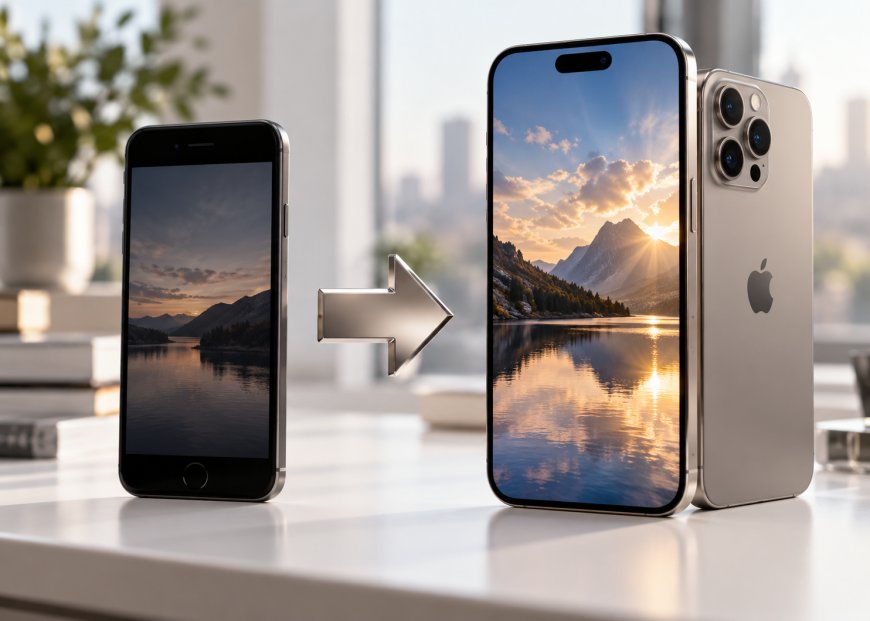
IPhone 18 Pro Max: Is the Upgrade Worth It?
Five years is a long time to keep the same phone, but the iPhone 13 Pro Max still feels like a modern device in 2026. Its OLED display still runs at up to 120Hz, the A15 Bionic remains responsive, and the stainless-steel body has a weight and solidity newer phones don’t necessarily match. Put it next to Apple’s new iPhone 18 Pro Max, though, and the differences start showing up almost everywhere I actually care about: cameras, battery life, charging, heat management, and the small conveniences that have accumulated over five generations.
After using the two side by side, I do think this is finally the upgrade cycle where most iPhone 13 Pro Max owners should seriously consider moving on. That does not mean the 13 Pro Max suddenly became bad. In fact, I still prefer parts of its design. The newer phone improves enough of the things I use every day that keeping the old one starts to feel more like choosing familiarity than choosing the better device.
The iPhone 13 Pro Max Still Feels More Expensive in One Important Way.
The first difference I noticed was not performance. It was the way the phones feel.
The iPhone 13 Pro Max uses stainless steel around a glass body, and even five years later it has that dense, industrial quality that immediately says flagship. The flat edges look sharp and expensive, although they can also become uncomfortable during long periods of use. At 240 grams, it is not exactly subtle in the hand either.
The iPhone 18 Pro Max takes a different approach. Apple moved to an aluminium enclosure, and the body feels smoother and easier to hold for longer. I prefer the newer phone’s ergonomics. Still, I understand anyone who picks up the 13 Pro Max and thinks the older device feels more luxurious—something about that polished steel construction that Apple’s newer, performance-focused design doesn’t quite replicate.
I would not call that a reason to avoid upgrading, though. The 18 Pro Max’s construction is tied much more closely to thermal performance, and that matters once the phone is working hard. Apple has redesigned the cooling system around a next-generation vapour chamber, and in my experience the newer device is much better behaved under demanding use. The 13 Pro Max can get noticeably warm when the camera, games, or other intensive workloads run for a while, whereas the 18 Pro Max handles sustained performance much more comfortably.
The Camera Is the Biggest Reason I Would Upgrade
If I owned an iPhone 13 Pro Max and cared even moderately about photography or video, the cameras would be what pushed me toward the upgrade.
The 13 Pro Max still has a respectable triple 12-megapixel camera system with a main, ultra-wide and 3x telephoto camera. It can take genuinely good photographs in favourable light, and I would never describe its camera as unusable just because five newer generations exist.
The problem appears when I put the results side by side with the iPhone 18 Pro Max. Apple now uses a 48-megapixel Pro Fusion system across the main, ultra-wide and telephoto cameras, with a 4x optical telephoto and additional optical-quality focal lengths available through sensor cropping. Detail is significantly better, the telephoto is far more useful, and low-light photography has improved enough that I can immediately tell which phone took which image.
The feature I enjoyed most is the variable aperture on the 48-megapixel main camera. The 18 Pro Max can move between f/1.48, f/1.8, f/2.8 and f/4.0, giving me more control over depth of field and light before I even start editing. Opening the aperture can produce a shallower background and gather more light, while stopping it down gives me more of the scene in focus and can change how bright points of light appear.
That may sound like something only a photography enthusiast would care about, but I found myself actually wanting to experiment with it. Smartphone cameras have become so automated that taking a photo can sometimes feel almost detached from photography. Giving me meaningful control over aperture makes the camera more engaging again without requiring me to carry a dedicated camera everywhere.
The Front Camera Is a Much Bigger Upgrade Than I Expected
I normally wouldn’t use the selfie camera as a major reason to recommend a phone upgrade, but the 18-megapixel Centre Stage camera on the iPhone 18 Pro Max deserves more attention.
The most useful part is that I no longer have to physically rotate the phone every time I want a wider horizontal composition. The camera and software can adjust framing while the device remains upright, which is particularly handy for video, group shots and quick content creation.
CenterStage also improves video calls by automatically adjusting the framing as I move. It is the kind of feature that sounds minor on a spec sheet but becomes difficult to give up once I start using it regularly.
Compared with the 13 Pro Max’s older TrueDepth camera, the entire front-camera experience feels like a generational change rather than a small resolution upgrade.
The Display Upgrade Is Real, but the 13 Pro Max Still Holds Up
The display is where I expected the old phone to look much worse than it actually does.
The iPhone 13 Pro Max already has a 6.7-inch Super Retina XDR OLED display with ProMotion up to 120Hz, so scrolling and animations still feel smooth in 2026. That is one reason the phone has aged so well. If Apple had shipped it at 60Hz, I think the difference would feel much larger today.
The iPhone 18 Pro Max still looks better. Outdoor visibility is substantially improved, bezels are slimmer, and the Dynamic Island is far more useful than the old notch. Apple has expanded it to display multiple Live Activities simultaneously, which makes timers, music, navigation, and background tasks feel more integrated into the interface rather than hidden behind notifications.
I would not upgrade from a 13 Pro Max solely for the display, but I notice the improvements every time I use the newer phone outside or jump between ongoing activities.
USB-C Is Boring Until You Go Back to Lightning
One of my favourite improvements is also one of the least glamorous.
The iPhone 13 Pro Max still uses Lightning. The iPhone 18 Pro Max uses USB-C with USB 3 data transfer up to 10Gb/s. That means the same general cable ecosystem can now cover my phone, iPad, computer accessories, cameras and other devices.
It sounds trivial until I travel.
I no longer need to remember an “iPhone cable.” I need a USB-C cable. If I am connecting external storage or moving large files, the data-transfer advantage matters as well. For anyone who uses an iPhone in a professional photo or video workflow, this is a much more meaningful change than simply replacing one plug shape with another.
After getting used to USB-C, Lightning immediately feels like something from an older generation.
Battery Life May Be the Most Practical Reason to Upgrade
A five-year-old iPhone does not have the battery it had when it left the factory. Even if an iPhone 13 Pro Max owner was happy with its endurance in 2021, battery degradation means that many of these devices now spend considerably more time looking for a charger.
The iPhone 18 Pro Max is excellent here. Apple rates it for up to 45 hours of video playback on eSIM-only models and up to 30 hours under its newer typical-use measurement. Apple also says five minutes of wired charging can provide around seven hours of video playback under its testing conditions.
My bigger takeaway is simply that battery anxiety is much lower. The combination of a physically larger battery, A20 Pro efficiency and improved thermal management makes the newer phone much easier to push through heavy days.
For someone whose 13 Pro Max battery health has already declined significantly, this may be a more noticeable everyday upgrade than the processor.
Performance Is Better, but Speed Alone Would Not Make Me Upgrade
The A20 Pro is obviously far more capable than the A15 Bionic. Apple has moved to a 2-nanometer process, a new CPU and GPU architecture and a much larger emphasis on on-device AI acceleration.
Yet normal performance is one area where the five-year gap feels smaller than the specifications suggest.
The iPhone 13 Pro Max still opens apps quickly. Scrolling remains smooth because of the 120Hz display, and iOS optimisation means normal messaging, browsing, streaming, and social media don’t suddenly feel painful just because a newer processor exists.
The difference matters in sustained performance and access to newer computational features. The 18 Pro Max is built for heavier photography, gaming, creative workloads and Apple Intelligence features that the older hardware cannot fully support.
I would not tell a 13 Pro Max owner to spend more than $1,000 because Instagram opens slightly faster. I would tell them to upgrade if their workflow is beginning to rely on the capabilities that newer Apple silicon enables.
The Action Button and Camera Control Are Useful, but Not Essential
The newer phone also gives me physical controls that didn’t exist on the 13 Pro Max.
I like the Action Button because I can turn it into something specific to how I use my phone. I can assign camera access, shortcuts, translation, the flashlight, and other controls to it, and that flexibility makes it much more useful than a fixed-purpose switch.
Camera Control is more mixed for me. Having physical access to camera settings can be useful when I am shooting with gloves or when touching the display is inconvenient. Still, it can also be triggered accidentally until muscle memory develops.
Neither button would convince me to upgrade on its own. Together, they contribute to the feeling that the iPhone has become a more capable tool, not just a larger touchscreen.
Should You Upgrade From the iPhone 13 Pro Max?
After comparing them directly, I think five years is enough.
The iPhone 13 Pro Max has aged remarkably well. Its display is still smooth, its build still feels premium, its cameras remain usable, and everyday performance is good enough that replacing it isn’t an emergency.
But the iPhone 18 Pro Max improves the experience in too many areas for me to call this an incremental upgrade. The camera system is dramatically more capable, battery life is substantially better, USB-C fixes an everyday annoyance, the phone handles heat more effectively, the front camera is far more flexible, and the newer hardware unlocks features the A15 generation wasn’t built to support.
The one thing I would genuinely miss is the 13 Pro Max’s physical character. Its stainless-steel body feels dense, expensive, and unapologetically premium in a way the lighter aluminium 18 Pro Max doesn’t quite match. I prefer holding the newer phone, but I understand why some owners will still prefer the older design.
That is not enough to change my recommendation. If my iPhone 13 Pro Max were still doing everything I needed and the battery remained healthy, I could comfortably keep it a little longer. If I were already thinking about upgrading, though, I wouldn’t want to wait another generation.
For the first time in several years, there are enough meaningful changes here that the upgrade actually feels like five years of progress.
What's Your Reaction?
 Like
0
Like
0
 Dislike
0
Dislike
0
 Love
0
Love
0
 Funny
0
Funny
0
 Angry
0
Angry
0
 Sad
0
Sad
0
 Wow
0
Wow
0