

































India Orders Apple to Remove Jack Dorsey’s Bitchat From App Store
India ordered Apple to remove Jack Dorsey’s Bitchat under Section 69A, while the offline messaging app also disappeared from Google Play.
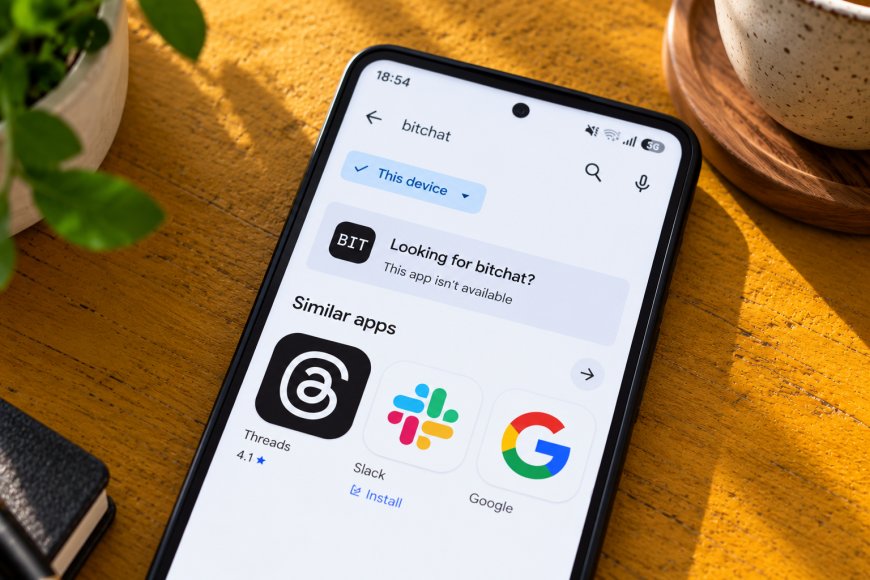
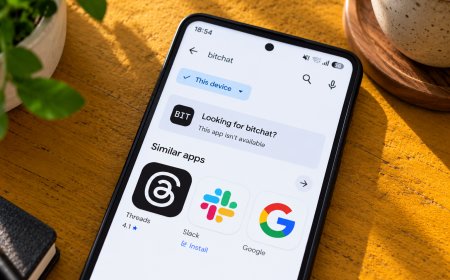
Jack Dorsey’s decentralised messaging app Bitchat has disappeared from Apple and Google’s app stores in India after the Indian government ordered Apple to remove it from the country’s App Store.
Dorsey shared Apple’s removal notice on X, showing that India’s Ministry of Electronics and Information Technology issued the demand under Section 69A of the Information Technology Act. Apple said Bitchat would remain available outside India, while access through its TestFlight beta service would also be blocked in the country.
Bitchat was also unavailable through Google Play in India, and its website could not be reached through several Indian internet providers. It was not immediately clear whether Google or the internet service providers had received separate government orders.
Bitchat works without an internet connection
Launched in 2025, Bitchat uses Bluetooth mesh networking to let nearby devices exchange encrypted messages without cellular service, internet access or centralised servers. That design lets the app keep working when conventional internet connectivity is unavailable.
The latest restriction follows an earlier government action involving the software. In July 2026, Dorsey said Indian authorities had instructed GitHub to remove repositories associated with Bitchat. The government’s order raised concerns that the app could make communications difficult for law enforcement to intercept or trace and highlighted its ability to operate during internet shutdowns.
The legal basis cited in Apple’s latest notice differs from the earlier GitHub action. The July request relied on an intermediary-liability provision of India’s information technology law, while the Apple removal cited Section 69A, which provides a framework for government blocking orders.
Digital rights group challenges the legal basis
The New Delhi-based Internet Freedom Foundation criticised the order, arguing that Section 69A allows the government to block unlawful information but does not permit blocking an entire messaging app simply because of its technical capabilities. The group also said the blocking order and the allegedly unlawful content behind it had not been made public.
Apple, Google and India’s IT ministry did not respond to requests for comment.
Restrictions coincide with protests and internet shutdowns
The restrictions come amid renewed demonstrations over changes to India’s voter rolls. Police detained several protesters in New Delhi on October 3 as demonstrators demanded the resignation of Chief Election Commissioner Gyanesh Kumar and alleged irregularities in the electoral-roll process.
A day earlier, authorities suspended internet services around Jantar Mantar for 12 hours. Bitchat had already drawn attention during earlier internet shutdowns because its Bluetooth-based design can keep nearby users connected without conventional internet service.
Interest in the app surged during that period. Sensor Tower data showed India accounted for about 85% of Bitchat’s global downloads between July 17 and July 23, up from roughly 1% during the previous 30 days.
The latest action significantly reduces straightforward access to Bitchat in India even though its underlying software is open source. Apple has confirmed the App Store restriction, while the circumstances behind its disappearance from Google Play and the blocking of its website remain unclear.
What's Your Reaction?
 Like
0
Like
0
 Dislike
0
Dislike
0
 Love
0
Love
0
 Funny
0
Funny
0
 Angry
0
Angry
0
 Sad
0
Sad
0
 Wow
0
Wow
0