
































Furientis Raises $25M From Benchmark to Scale Low-Cost Missile Interceptors
Furientis raised $25 million, led by Benchmark, to develop lower-cost missile interceptors for faster, higher-volume production.
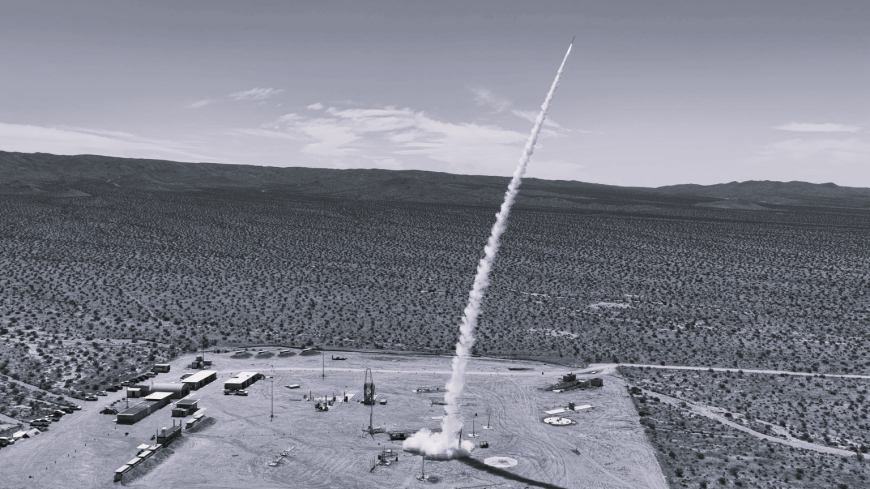
Defence technology startup Furientis has raised a $25 million seed round led by Benchmark as it works to develop lower-cost missile interceptors that can be manufactured at much higher volumes than traditional systems. The one-year-old company has also secured a funded Pentagon contract to build mid-range interceptors, according to reporting on the financing.
The round follows a $5 million pre-seed announced in May. Furientis was valued at $125 million in the latest financing, according to a person familiar with the company.
Benchmark backs a high-volume interceptor strategy
The investment marks Benchmark’s first backing of a pure defence startup. General partner Chetan Puttagunta said Furientis stood out for how quickly it had turned limited early funding into working hardware, including prototype manufacturing and roughly a dozen test launches before Benchmark invested.
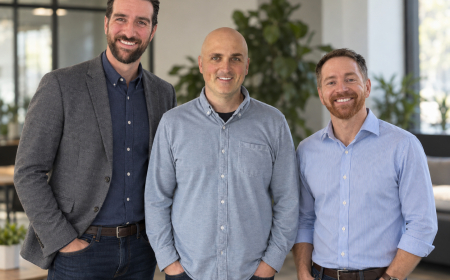
Brody Franzen and Aris Simsarian founded Furientis, both with backgrounds in aerospace engineering and propulsion. Franzen previously served as deputy chief engineer at Virgin Galactic and later worked at hypersonic missile company Castelion, while Simsarian previously led rocket engine testing at Virgin Orbit.
The founders started Furientis around a production problem facing the U.S. military: sophisticated interceptor missiles can cost millions of dollars each. At the same time, inexpensive threats can be produced in far greater numbers. Franzen said that imbalance makes it difficult to replenish missile inventories quickly enough using conventional manufacturing approaches.
Furientis is prioritising cost and production speed
The startup is not trying to match every performance characteristic of the most advanced legacy interceptors. Instead, Furientis is designing its systems around readily available components and manufacturing methods intended to reduce cost and shorten assembly time.
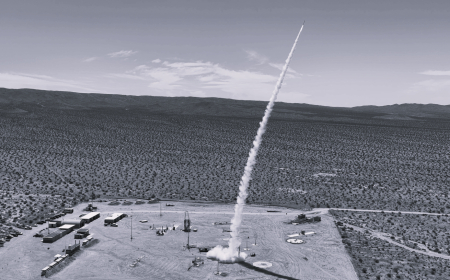
That strategy is also shaping its development cycle. Furientis has been conducting field tests about every two weeks, with prototypes built at its Los Angeles facility and launched at White Sands in New Mexico.
The company’s longer-term manufacturing target is 1,000 systems per year from each factory. Reaching that scale would require substantial expansion from its current operations. Still, the production goal reflects Furientis’ focus on increasing interceptor availability rather than building small numbers of highly expensive weapons.
Competition is growing in missile manufacturing
Furientis is entering a market that includes both newer defence companies and established contractors. Franzen identified Anduril, Castellan and Shield AI among the startups pursuing mass-produced interceptor systems, while traditional defence companies are also working to accelerate manufacturing.
Puttagunta said Benchmark still sees room for additional companies in the sector despite the growing competition. The firm’s investment gives Furientis more capital to continue testing, develop its Pentagon-backed interceptor program and work toward the higher production rates at the centre of its strategy.
What's Your Reaction?
 Like
0
Like
0
 Dislike
0
Dislike
0
 Love
0
Love
0
 Funny
0
Funny
0
 Angry
0
Angry
0
 Sad
0
Sad
0
 Wow
0
Wow
0