



























Hark Launches Pro AI Assistant With Privacy-Focused Pitch
Hark launched Hark Pro, a personal AI assistant that can use the web, complete digital tasks and surface proactive suggestions while emphasising user privacy.
Hark has launched Hark Pro, a personal AI assistant designed to operate a user’s computer, navigate websites and complete digital tasks. The service is area-based, with a paid tier for heavier users.
The startup, founded less than a year ago by Brett Adcock, focuses on computer use rather than building a general-purpose frontier model. Hark Pro is built around an AI model trained specifically to interact with software and websites on a user’s behalf.
Hark Pro combines chat, tasks and proactive suggestions
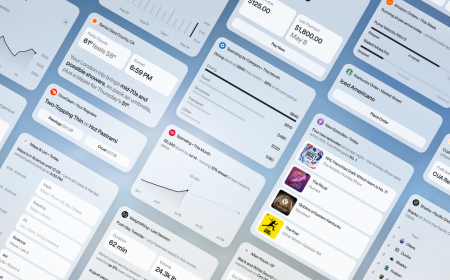
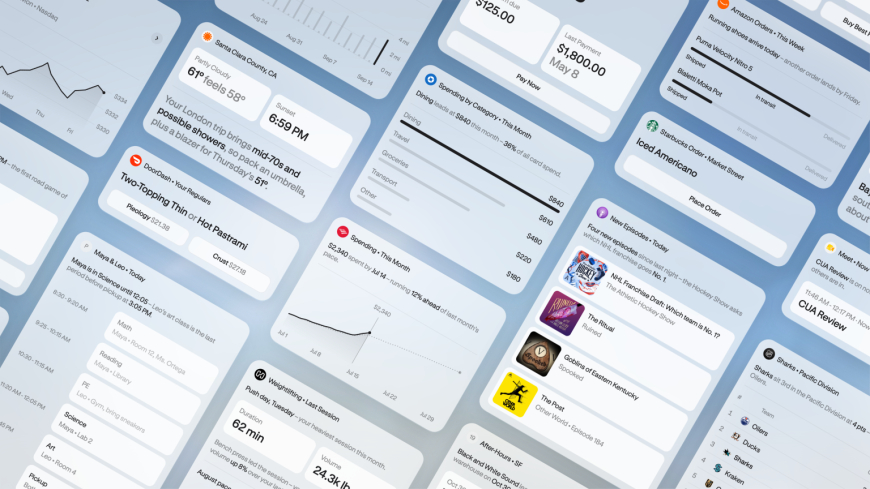
The product uses a full-screen interface with a central chat box, suggested actions and visual panels that surface information relevant to the user. After connecting to services such as email, calendars, local files and financial accounts, Hark Pro can answer questions and perform tasks across those systems.
Hark design lead Abidhur Chowdhury demonstrated examples including reviewing expenses, identifying emails that required replies, preparing for meetings and offering to book travel. He also said the assistant had recognised that a colleague needed to renew a vehicle registration and completed the process through California’s DMV website.
One of Hark Pro’s more visible design choices is a small window that shows how the AI agent moves through websites while completing a task. Chowdhury said the feature is meant to give users more confidence in what the software is doing, rather than hiding the agent’s actions in the background.
Privacy is central to Hark’s pitch
Hark is positioning itself as an alternative to larger technology companies whose businesses may rely on advertising or extensive user profiling. That distinction matters because a personal assistant becomes more capable as users grant it access to more of their digital lives.
Chowdhury said Hark uses personal information to understand task-related needs and provide assistance, rather than to build broader profiles for advertising. The company is betting that clearer visibility into what the agent is doing, combined with its privacy positioning, can help users become more comfortable delegating sensitive tasks.
An AI-native device is planned for 2027
Hark also plans to extend the software into dedicated hardware. Chowdhury, who previously worked on devices at Apple, said the company expects to introduce an AI-native device in 2027.
The company has not disclosed the product’s form. Chowdhury said Hark is wary of wearable cameras and that the first device will be unlike existing consumer hardware, leaving details for a later launch.
What's Your Reaction?
 Like
0
Like
0
 Dislike
0
Dislike
0
 Love
0
Love
0
 Funny
0
Funny
0
 Angry
0
Angry
0
 Sad
0
Sad
0
 Wow
0
Wow
0