

























TikTok’s AI Shopping Assistant Turns the For You Feed Into a Checkout Lane
TikTok is adding an AI Shopping Assistant and Buy Direct checkout, allowing shoppers to ask product questions and buy directly from brands without leaving the app.
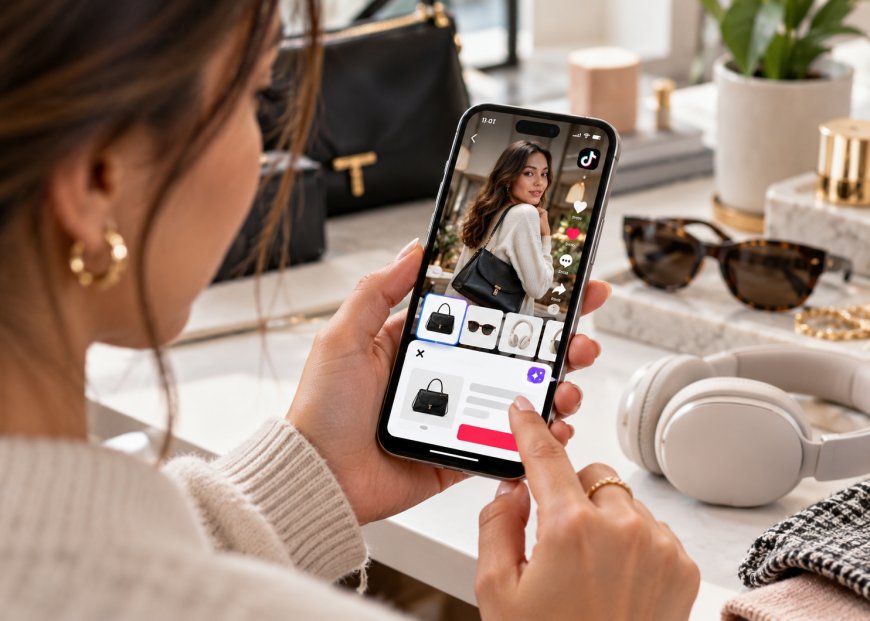
TikTok is making a more ambitious move into online shopping by connecting product discovery, conversational AI and checkout inside the same experience.
The company has introduced Shopping Assistant, an AI agent designed to answer product questions as people browse, alongside Buy Direct. This in-app checkout system lets shoppers purchase from participating brands without leaving TikTok. TikTok unveiled the additions as part of its latest advertising and commerce push.
For TikTok, this is more than another shopping feature. The company is trying to close a gap that has existed across social commerce for years: people often discover something in a video, then leave the platform to research the product, check availability or complete a purchase somewhere else.
Shopping Assistant and Buy Direct are designed to keep more of that journey inside TikTok.
TikTok’s official announcement outlines the new shopping and advertising tools.
Shopping Assistant Stays With the Customer After Discovery
TikTok describes Shopping Assistant as a conversational AI agent that retains context during a shopping conversation and remembers what a user is looking for.
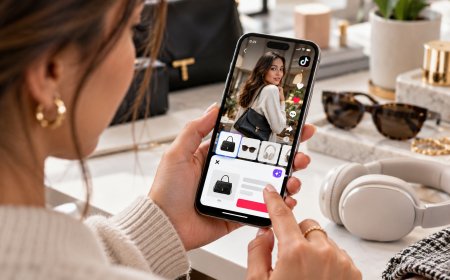
Instead of simply surfacing a product recommendation, the assistant can provide product details, sizing, shipping, and availability. TikTok also says the same conversation can help move a shopper closer to completing a purchase.
Recommendation systems have shaped TikTok from the beginning, but Shopping Assistant moves AI further down the buying journey. The system isn’t just deciding which products a user might want to see; it’s positioned as a tool for answering questions that normally come up between discovery and checkout.
A shopper who comes across a jacket in the For You feed, for example, may want to know whether another size is available or how shipping works. TikTok’s goal is to make those questions answerable without forcing the customer to open another website or search for the information elsewhere.
For merchants, that could reduce one of the biggest points of friction in social commerce. A customer can lose interest when they have to leave an app, find a product page, search for specifications and then return later to make a decision.
For TikTok, keeping those questions inside the platform creates another opportunity to remain involved after discovery.
TikTok for Business provides more detail on its agentic commerce tools.
Buy Direct Cuts Another Step From TikTok Shopping
The second part of the strategy is Buy Direct.
TikTok says Buy Direct provides a native checkout experience that lets shoppers purchase directly from a brand through the For You feed. Stored payment methods and saved addresses can reduce the steps required to complete an order, while order tracking can stay inside the app.
Importantly, participating brands remain the merchant of record rather than TikTok becoming the seller for those transactions.
That expands TikTok’s commerce strategy beyond simply pushing more purchases through TikTok Shop.
The company is working with commerce and payment providers including Salesforce, Shopify, Shoplazza and Stripe. Those integrations let brands participate while continuing to use much of their existing commerce infrastructure.
TechCrunch also reported on the launch, noting that the new tools broaden TikTok’s role in the transaction between product discovery and purchase.
The result is a model in which a user can see a product in the For You feed, ask an AI assistant questions about it and then move toward checkout without leaving the TikTok experience.
An Open Standard Could Make AI Shopping Easier to Scale
Buy Direct also connects to a broader effort to create standardised infrastructure for AI-driven commerce.
TikTok is using Universal Commerce Protocol, or UCP, an open standard designed to let AI agents and merchant systems communicate across shopping and checkout workflows.
The protocol was developed to support functions such as product discovery, checkout, orders and post-purchase activity while allowing merchants to retain control over their own business rules and commerce systems.
That technical layer matters because agentic commerce becomes difficult to scale if every AI platform requires a completely different integration with every retailer.
Shopify’s Universal Commerce Protocol overview explains how the standard is intended to connect AI agents with existing commerce infrastructure.
As more AI systems move from answering questions to completing transactions, standardised commerce connections could become increasingly important.
TikTok Wants More of the Transaction, Not Just the Attention
TikTok already has considerable influence over what consumers notice and buy. Viral videos can turn little-known products into sudden hits, while creators routinely function as product demonstrators, reviewers and informal sales channels.
The company now appears increasingly interested in what happens after that moment of discovery.
A user may first encounter a product through a creator, sponsored post or recommendation in the For You feed. Previously, much of the research and transaction happened elsewhere.
Shopping Assistant and Buy Direct give TikTok a chance to participate in more of that process.
The strategy also fits TikTok’s broader evolution from a short-form video app into a platform spanning entertainment, search, advertising, commerce and other digital services. TechAmerica.ai has previously examined how TikTok is evolving into a broader global platform.
The more of the shopping journey TikTok can keep inside its own ecosystem, the more valuable each product-discovery moment potentially becomes.
Agentic Commerce Is Becoming a Consumer Technology Battleground
TikTok’s announcement reflects a wider shift in artificial intelligence.
The first wave of mainstream generative AI largely centred on answering questions and creating text, images or other content. The next wave is increasingly focused on actions: finding products, booking services, handling payments and completing tasks on a user’s behalf.
Commerce is an obvious place to test that model because shopping follows a relatively clear sequence. Consumers discover an item, ask questions, compare options and decide whether to buy.
TikTok enters that race with an advantage conventional AI assistants do not necessarily have. Product discovery already happens naturally inside its entertainment feed.
That creates an opportunity to connect recommendation algorithms, creator-driven content, conversational AI and purchasing inside one platform.
It also raises questions about transparency.
An AI shopping assistant operating inside an advertising and commerce business needs to make clear where product information comes from and how recommendations are influenced—accuracy matters most when the assistant helps move someone toward spending money.
The For You Feed Is Becoming More Transactional
TikTok’s commercial influence has grown because products can spread through videos before shoppers actively search for them.
A creator recommendation, product demonstration or viral trend can generate demand before someone ever visits a traditional online store.
TikTok now wants to make that moment more transactional.
The company has cited research suggesting that tens of millions of Americans have purchased products after seeing them on TikTok. TikTok has also highlighted economic research connecting activity on the platform with billions of dollars in U.S. business activity.
Those figures come from research promoted by TikTok itself and should be understood in that context.
Even without relying on TikTok’s own economic estimates, the commercial logic is straightforward. If a user discovers a product on TikTok but ultimately researches and buys it somewhere else, TikTok controls only the first part of the journey.
Shopping Assistant and Buy Direct give the platform a way to remain involved until much closer to the transaction.
TikTok Is Turning Discovery Into Infrastructure
The bigger change isn’t simply the arrival of another chatbot.
TikTok is building infrastructure around the entire shopping journey. A video can create interest. Shopping Assistant can answer questions. Buy Direct can handle checkout. Merchant integrations can connect the transaction back to a retailer’s existing systems.
That is a substantially different proposition from TikTok’s earlier role as a place where products happened to go viral.
The For You feed has always been exceptionally effective at creating discovery. TikTok’s latest AI and commerce tools aim to turn that discovery advantage into a direct path from seeing a product to understanding it and eventually buying it.
If shoppers accept that experience, the boundaries between social media, search, AI assistants and online stores will continue to blur.
What's Your Reaction?
 Like
0
Like
0
 Dislike
0
Dislike
0
 Love
0
Love
0
 Funny
0
Funny
0
 Angry
0
Angry
0
 Sad
0
Sad
0
 Wow
0
Wow
0