



























OpenAI Visual Ads Are Coming to ChatGPT Image Generation
OpenAI is testing visual ads alongside ChatGPT image generation, giving advertisers a new image-based format while keeping sponsored content separate from AI-generated results.

OpenAI is bringing visual ads to ChatGPT image generation as the company expands its advertising business beyond text-based placements and into one of ChatGPT’s most visually engaging features.
OpenAI said on October 5 that it will begin testing a new visual advertising format later this month in the United States with an initial group of advertisers. The ads will appear while people use image generation in ChatGPT, but they will be clearly labelled and kept separate from the images users create.
OpenAI’s official announcement says advertising will not influence ChatGPT’s answers. The company is keeping paid placements visually separate from generated images, an important boundary as advertising expands into more parts of the service.
How OpenAI Visual Ads Will Work in ChatGPT Image Generation
Someone using ChatGPT to visualise a room, plan an outfit, explore a travel idea or develop a creative project could encounter a relevant visual ad while an image is being generated.
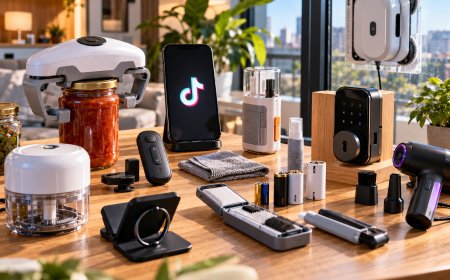
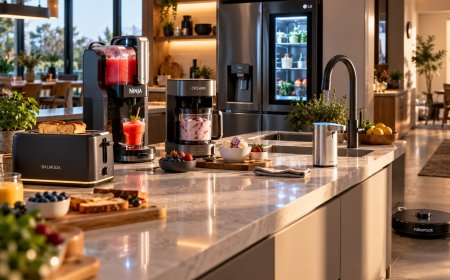
OpenAI says advertisers will be able to use images to show products, demonstrate how they are used or present the kind of experience associated with a product or service.
The advertisement will not be inserted into the user’s generated image. It will appear as a separate, clearly labelled commercial placement.
That gives OpenAI access to a potentially valuable moment for advertisers. A person creating an image is often already thinking about a particular project, product category or activity, even if they have not explicitly searched for something to buy.
A user designing a home office, for example, might not type “buy a desk lamp.” However, the conversation could still reveal that lighting, furniture or computer accessories are relevant to what they are trying to accomplish.
The challenge for OpenAI will be making those ads useful without making the image-generation experience feel cluttered or less trustworthy.
TechCrunch reported on the launch as part of OpenAI’s broader push to expand ChatGPT advertising.
ChatGPT Ads Are Becoming More Sophisticated
OpenAI is doing more than adding another ad format.
The company is also expanding the measurement infrastructure behind ChatGPT Ads, an important step if it wants large advertisers to treat the platform as a serious alternative to established digital advertising channels.
OpenAI has added integrations intended to help businesses send conversion data from their existing systems into ChatGPT Ads. It is also working with a wider group of attribution and measurement providers so advertisers can assess whether campaigns lead to actions such as visits, registrations, app installs or purchases.
Those tools are essential for advertisers. A large audience alone does not guarantee that brands will move significant budgets to a new platform. Companies also want evidence that advertising reaches the right people and produces measurable business results.
OpenAI says ChatGPT now reaches about 1.2 billion people each week. That gives the company enormous potential reach, but measurement will determine how much of that audience can become a meaningful advertising business.
Why Image Generation Is a Logical Place to Test Visual Advertising
Image generation gives OpenAI more room to experiment with visual commercial formats than a conventional text conversation does.
People often use generative AI to explore ideas before deciding. They might create concepts for a living room, compare visual styles, work on a product design or imagine what something could look like before buying it.
Traditional search advertising has long benefited from explicit intent because someone searching for a particular product has already signalled what they may want.
Conversational AI can reveal a different kind of intent. The user may be planning an activity or working through a problem without directly searching for a specific product.
That could make AI conversations commercially valuable, provided OpenAI can use context without undermining user privacy or making sponsored content difficult to distinguish from the assistant’s own responses.
OpenAI says conversations remain private from advertisers and that ChatGPT’s answers are not influenced by advertising.
OpenAI Is Also Working on Brand Suitability
Advertising inside an AI conversation is less predictable than advertising beside a conventional webpage.
A webpage usually has a relatively stable topic. A ChatGPT conversation can move quickly between ordinary questions and more sensitive subjects, including health, finances or personal problems.
OpenAI says it uses placement safeguards intended to prevent ads from appearing in unsuitable contexts.
The company is also developing brand-suitability evaluation programs with DoubleVerify and Integral Ad Science, two companies advertisers widely use to assess whether digital advertising appears in appropriate environments.
According to OpenAI, those evaluations are designed to give brands more confidence in ChatGPT Ads without exposing private user conversations to outside companies.
That distinction will matter more if advertising expands across more of ChatGPT.
Brands want relevant placements, but users are unlikely to accept an advertising model that gives advertisers direct access to private conversations.
Visual Ads Could Change Product Discovery Inside ChatGPT
Advertising could become especially important where ChatGPT overlaps with shopping and product research.
People already use AI assistants to compare products, narrow down choices, understand unfamiliar categories and plan purchases. Visual ads give OpenAI another way to monetise some of that activity without turning the AI’s own recommendation into a paid placement.
Keeping those two things separate will be central to whether users accept the format.
A relevant ad beside an image-generation session could function as a useful discovery tool. A poorly matched or intrusive ad could have the opposite effect, particularly in a product where users are accustomed to a relatively clean conversational interface.
The first U.S. test should give OpenAI an early indication of how people respond.
ChatGPT Is Developing Into a Larger Advertising Business
The decision to introduce visual ads alongside image generation results shows how quickly OpenAI’s business is broadening.
ChatGPT began as a conversational AI product. It now overlaps with search, research, shopping, productivity, image generation and other activities that have historically supported some of the internet’s largest advertising businesses.
OpenAI does not need to copy the traditional search-ad model exactly. ChatGPT gives it something different: context about what a person is trying to accomplish across a conversation.
That context could make advertising highly relevant, but it also raises the stakes around privacy, transparency and the independence of the assistant’s responses.
For now, OpenAI is drawing a clear line. A visual ad can appear alongside the image-generation experience, but it doesn’t become part of the generated image or determine ChatGPT’s answer.
As OpenAI builds more advertising formats, preserving that separation may matter as much as the ads themselves.
What's Your Reaction?
 Like
0
Like
0
 Dislike
0
Dislike
0
 Love
0
Love
0
 Funny
0
Funny
0
 Angry
0
Angry
0
 Sad
0
Sad
0
 Wow
0
Wow
0