







































Meta’s massive natural gas consumption could rival South Dakota’s energy use
Meta’s rising natural gas consumption highlights the growing energy demands of AI and data centres, potentially matching the power needs of entire states.

Technology company Meta is significantly increasing its energy consumption as it builds out large-scale AI infrastructure, with power requirements that now approach the level of entire U.S. states. One example is the company's Hyperion AI data centre, which, once completed, is expected to consume as much electricity as the state of South Dakota.
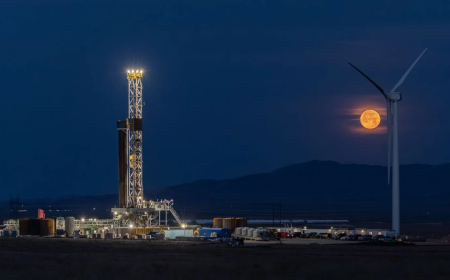
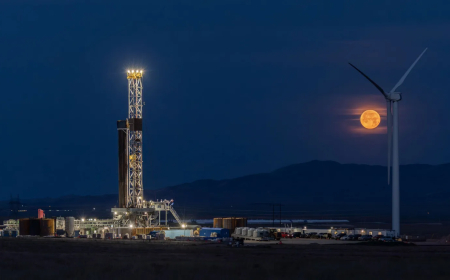
To support the massive facility, Meta recently announced plans to fund seven additional natural gas power plants, bringing the total to three it had already committed to constructing. Together, the 10 power plants in Louisiana are projected to generate about 7.5 gigawatts of electricity, slightly exceeding South Dakota's total energy capacity.
Over the years, Meta has emphasised its environmental commitments, regularly publishing sustainability reports and highlighting investments in renewable energy. The company has also made long-term commitments to nuclear power and has been a major buyer of solar and battery storage capacity.
However, the scale of the Hyperion data centre project presents a new challenge for those commitments. The reliance on natural gas — often described as a "bridge fuel" intended to support the transition to cleaner energy sources — raises questions about how the company will balance rapid infrastructure expansion with its climate goals.
The argument for natural gas as a temporary solution has been made for decades. Still, it is increasingly being questioned as renewable energy and battery storage have become more affordable, while the cost of gas turbines has risen. Given Meta's previous investments in cleaner energy sources, its decision to expand natural gas usage at this scale has drawn attention.
Estimates based on data from the U.S. Department of Energy suggest that the turbines supporting the Louisiana project could emit approximately 12.4 million metric tons of carbon dioxide annually. This figure is about 50% higher than Meta's total reported carbon footprint in 2024, the most recent year for which data is available.
These estimates may not fully capture the total environmental impact because they do not account for methane emissions from the natural gas supply chain. Methane, the primary component of natural gas, has a significantly higher short-term warming effect than carbon dioxide, with a global warming potential estimated to be many times greater.
Even relatively small leakage rates during extraction, transportation, and distribution can increase the overall climate impact of natural gas. Studies have suggested that leakage rates as low as 0.2% can negate the perceived environmental advantages of natural gas over coal. In the United States, leakage rates are believed to be closer to 3%, further complicating its role as a cleaner alternative.
Meta's most recent sustainability report does not address methane emissions or natural gas usage directly, despite the fuel's expected importance in powering its future operations. As a result, natural gas could become one of the largest contributors to the company's carbon footprint in the years ahead.
The company may still aim to meet its climate targets through carbon offsetting strategies, including purchasing carbon removal credits. However, the scale of emissions associated with its expanding infrastructure suggests it will need significantly more offsets, along with greater transparency regarding methane leakage and the overall environmental impact of its energy sources.
What's Your Reaction?
 Like
0
Like
0
 Dislike
0
Dislike
0
 Love
0
Love
0
 Funny
0
Funny
0
 Angry
0
Angry
0
 Sad
0
Sad
0
 Wow
0
Wow
0