































Open Secure AI Alliance Forms Working Group as Membership Tops 120 Companies
The Open Secure AI Alliance has launched its first working group, SAFE, as the Nvidia-backed organisation grows to more than 120 member companies.
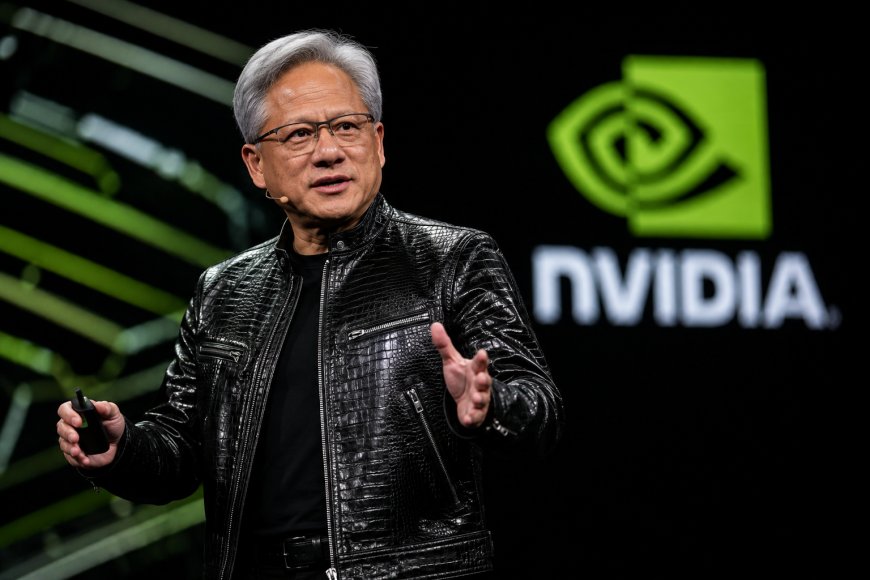
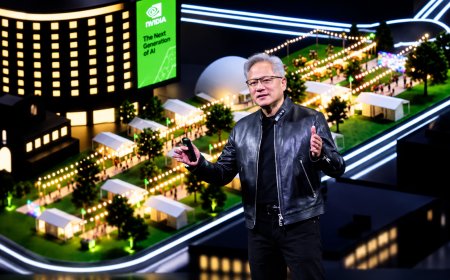
The Open Secure AI Alliance (OSAA), an industry group launched just last week and spearheaded by Nvidia, is already expanding its work by creating its first formal working group, the Shared AI Findings Exchange, or SAFE. The alliance, which has grown to more than 120 member companies, is presenting its first proposals for public comment, with the Linux Foundation managing the process.
The initial work was developed as members gathered during the Black Hat cybersecurity conference in Las Vegas. While the early proposals focus on foundational practices rather than new technologies, they aim to establish common approaches for reporting AI cybersecurity incidents, notifying affected organisations, and conducting blame-free post-incident reviews so the broader industry can learn from security events.
Alongside those guidelines, alliance members have begun contributing open source technologies that could eventually form the basis of enterprise AI security tools. The long-term goal is to help organisations secure AI agents and strengthen defences against autonomous AI threats, including incidents similar to the OpenAI model that infiltrated Hugging Face during testing. Hugging Face is also a member of the alliance.
Members contribute open source AI security tools
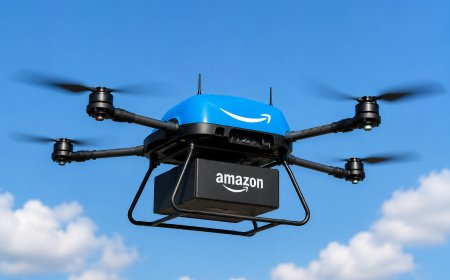
Several companies have already highlighted technologies they are contributing to the effort. Nvidia has pointed to its family of open AI models and Garak, an open source vulnerability scanner for large language models. Okta is contributing work on AI agent identity, while Red Hat is focusing on agent governance. Amazon has added its Strands Agents framework along with Cedar, its authorisation language for access management.
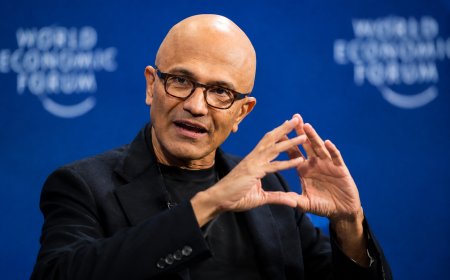
The alliance’s membership now includes companies such as Adobe, BlackRock, Cisco, Intel, Microsoft and Visa. However, several major AI developers remain absent, including Anthropic, OpenAI and Google.
Momentum builds despite notable absences
OpenAI and Google both signed the open letter published last week that encouraged the White House to support open source AI rather than restrict it. The letter, championed by Nvidia and backed by more than 200 technology companies, ultimately led to the formation of the OSAA. Anthropic did not sign the letter or join the alliance.
The organisation emerged shortly after reports that the Trump administration was considering restrictions on Chinese open-source AI models, prompting concern across the open-source AI community. Supporters of the alliance argue that strengthening open AI ecosystems is a more effective long-term response to global competition.
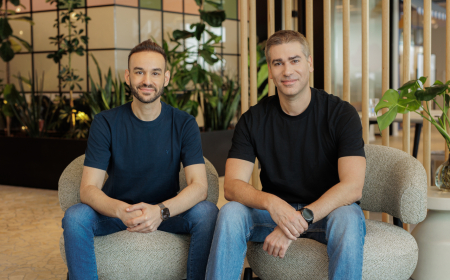
Arcee co-founder and Chief Technology Officer Brian Thompson has argued that openness represents one of the strongest ways for the United States to remain competitive in AI. Echoing that view, the alliance said in its founding letter that openness may be one of the most important paths to AI safety and security, a principle it has begun putting into practice only days after its creation.
What's Your Reaction?
 Like
0
Like
0
 Dislike
0
Dislike
0
 Love
0
Love
0
 Funny
0
Funny
0
 Angry
0
Angry
0
 Sad
0
Sad
0
 Wow
0
Wow
0