




































Science Corporation’s Vision-Restoring PRIMA Chip Wins EU Medical Approval
Science Corporation has secured European regulatory approval for its PRIMA vision-restoring implant, bringing the brain-computer interface technology closer to commercial use for patients with age-related macular degeneration.
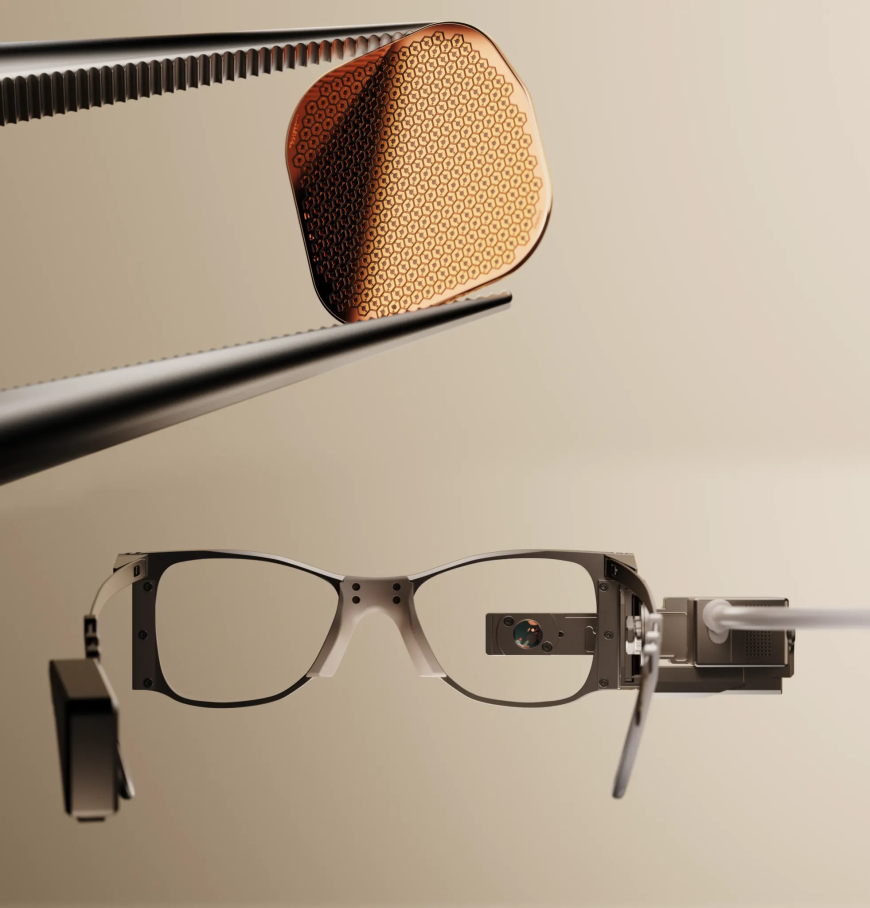
Science Corporation has received approval from Europe’s medical device regulator to begin commercialising its PRIMA retinal implant, marking a significant milestone for the brain-computer interface startup founded by former Neuralink president Max Hodak. The approval allows the company to begin offering the vision-restoring device to eligible patients suffering from age-related macular degeneration (AMD), one of the leading causes of vision loss worldwide.
The company also announced that PRIMA has received a designation from the U.S. Food and Drug Administration that represents the first step toward an accelerated regulatory review. Science Corporation believes the designation could eventually support the device’s use in treating two rare forms of blindness as it continues clinical development in the United States.
Age-related macular degeneration damages the light-sensitive cells in the retina, gradually reducing central vision and making everyday activities such as reading, recognising faces and performing detailed tasks increasingly difficult. Millions of people worldwide are affected by the condition, particularly older adults.
PRIMA combines retinal implant with smart glasses
PRIMA restores functional vision through a combination of implanted hardware and wearable technology. During an outpatient procedure lasting about an hour, surgeons implant a tiny electronic chip at the back of the patient’s eye. The recipient then wears specially designed glasses equipped with a camera that captures the surrounding environment and wirelessly transmits visual information to the implanted chip.
According to Science Corporation Chief Executive Max Hodak, the technology enables patients who have lost central vision to regain enough visual function to perform meaningful daily activities. He highlighted several examples from clinical testing, including a patient in France who completed a 300-page novel after receiving the implant. Other recipients have drawn detailed sketches, completed crossword puzzles and solved Sudoku games using the restored vision provided by the system.
Science Corporation acquired the PRIMA technology in 2024 through its purchase of French medical technology company Pixium, which originally developed the retinal implant. After the acquisition, the company expanded the product documentation, refined manufacturing processes and prepared the technology for commercial launch and regulatory approval.
Commercial rollout begins in Europe.
The company plans to launch PRIMA first in Germany, where its clinical studies were conducted. Science Corporation said discussions are already underway with European healthcare providers regarding reimbursement because each implant is expected to cost hundreds of thousands of dollars. The first commercial procedure could take place as early as September.
Science Corporation also plans to improve the system over time. Future versions are expected to feature upgraded retinal chips capable of delivering better vision while reducing the size of the wearable hardware. The current glasses require an external battery pack. Still, the company ultimately hopes to develop a lighter design similar to augmented reality smart glasses, although higher computing and power requirements remain a technical challenge.
Vision business supports broader brain-computer interface ambitions
Hodak, who co-founded Neuralink before leaving the company in 2021, established Science Corporation with the long-term goal of developing bio-hybrid brain-computer interfaces that combine silicon electronics with living cells. He has repeatedly said that building a profitable vision restoration business is essential to financing those future technologies.
Alongside commercialising PRIMA, Science Corporation is collaborating with Dr Murat Günel, chair of Yale Medical School’s Department of Neurosurgery, on procedures that could support future human trials of directly implanted bio-hybrid brain sensors. Hodak said establishing a sustainable medical device business is critical because it provides the financial foundation needed to continue investing in next-generation neurotechnology.
What's Your Reaction?
 Like
0
Like
0
 Dislike
0
Dislike
0
 Love
0
Love
0
 Funny
0
Funny
0
 Angry
0
Angry
0
 Sad
0
Sad
0
 Wow
0
Wow
0