






































Solar power set to lead global energy growth by 2035 as AI data centres sustain fossil fuel demand
Solar energy is expected to become the leading source of new power generation capacity by 2035, while growing AI data centres continue to drive demand for fossil-fuel-based electricity.
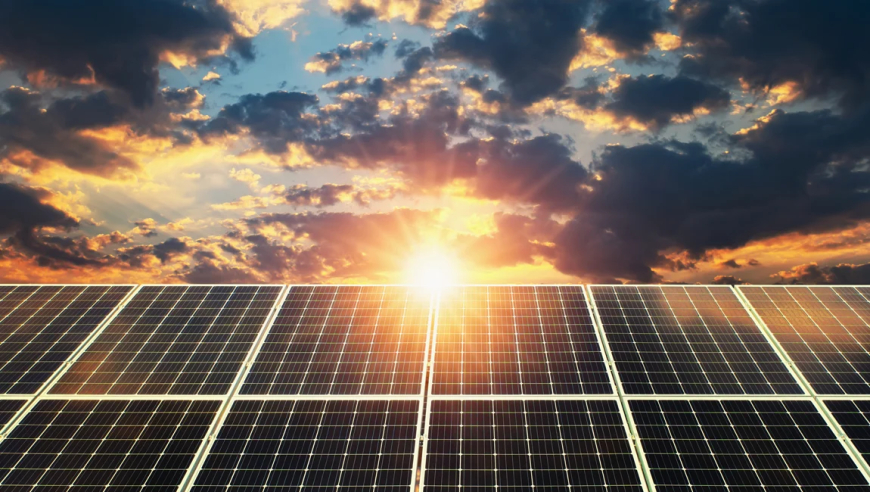
Solar energy is on track to become the world’s largest source of electricity within the next decade, overtaking coal, oil, and natural gas, according to a new report released by BloombergNEF. The projected transformation in the global energy landscape is expected to accompany a sharp increase in overall power consumption, fueled by the rapid expansion of artificial intelligence and the ongoing electrification of major industries.
“Solar is winning the race,” Matthias Kimmel, head of energy economics at BloombergNEF, said while discussing the report’s findings.
According to BloombergNEF, the shift toward solar power is likely to occur purely on economic grounds. The technology has become so affordable that it is increasingly difficult for utilities and governments to overlook. Pakistan serves as one example of this trend. The country has added approximately 25 gigawatts of solar capacity during the past two years, after natural gas prices surged following Russia’s invasion of Ukraine. BloombergNEF notes that the pace of the energy transition could accelerate even further if governments adopt stronger policies to reduce carbon emissions.
As we anticipate a shift in power market leadership, investors see the energy sector as one of the most significant growth opportunities in decades. Much of the attention has focused on data centres, particularly as artificial intelligence drives demand for computing infrastructure. BloombergNEF’s projections highlight the scale of the opportunity, estimating that data centres alone will stimulate the deployment of an additional 1 terawatt of utility-scale solar generation, 400 gigawatts of solar capacity, 370 gigawatts of natural gas generation, and 110 gigawatts of coal power.
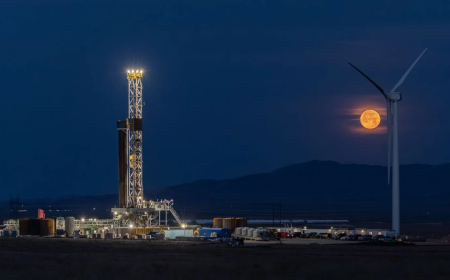
Despite the rapid expansion of renewable energy, BloombergNEF expects fossil fuels to continue playing a major role in meeting the growing electricity requirements of data centres. Because natural gas and coal plants can operate continuously, the consultancy forecasts that those fuels will account for 51% of the incremental electricity generation needed by data centres through 2050. As a result, technology companies and data centre developers are expected to exert substantial influence over which energy sources remain commercially viable during the coming decades.
However, the outlook is subject to change as alternative technologies continue to compete for a share of the data centre power market. Long-duration energy storage systems, geothermal energy projects, and nuclear power developers have all positioned themselves as potential solutions for meeting future demand. Large-scale battery storage received a significant endorsement from Google, which recently incorporated $1 billion worth of 100-hour battery systems supplied by Form Energy into one of its data centre developments. Meanwhile, geothermal and nuclear energy have gained momentum following the highly anticipated public offerings of Fervo Energy and X-energy.
Even with growing competition, solar power is expected to remain a dominant force. The deployment of photovoltaic panels has expanded rapidly in recent years, supported by manufacturing efficiencies and steadily declining production costs. BloombergNEF forecasts that solar panel prices will fall by another 30% by 2035, strengthening the technology’s competitive advantage over coal and natural gas. By 2050, solar installations are expected to generate more than twice the amount of electricity produced by natural gas facilities.
The report attributes solar’s declining costs to two primary factors. One is China’s long-standing industrial strategy, which has strongly supported solar manufacturing through subsidies and large-scale production incentives, thereby increasing supply and reducing costs across global markets. The second factor is the efficiency achieved through mass manufacturing, which has enabled the industry to lower production expenses at an extraordinary rate over time.
Generally, Kimmel explained, costs tend to decline whenever installed capacity doubles. “Costs fall with every doubling of installed capacity,” he said. “In the case of solar, it has gone even faster than that.”
The growing abundance of solar generation is also beginning to influence the battery storage sector similarly. In countries such as Spain and Italy, stand-alone solar projects have become less profitable because large amounts of solar electricity entering the grid during daylight hours have significantly reduced daytime power prices, according to Kimmel. In response, developers increasingly are constructing hybrid renewable energy facilities that combine solar arrays with battery storage systems. These projects allow operators to store excess electricity during the day and sell it later when evening demand drives prices higher.
BloombergNEF believes the battery storage industry today resembles the solar market of 2020. During the previous year, approximately 112 gigawatts of grid-scale battery storage were installed globally. By 2035, the research firm expects annual installations to nearly triple as energy storage becomes an increasingly important component of modern electricity systems. Companies ranging from Redwood Materials to Ford have already launched dedicated energy storage initiatives to capitalize on the anticipated growth.
One notable factor absent from BloombergNEF’s latest report was the conflict involving Iran. The consultancy explained that the war began after the report had progressed too far through the publication process to accommodate major revisions. Nevertheless, researchers evaluated how different transition scenarios could affect countries’ dependence on imported energy resources.
Under what BloombergNEF describes as the economic transition scenario—where market economics rather than government mandates primarily drive decarbonization—every country examined would reduce its reliance on foreign energy supplies, including major oil-producing nations such as Saudi Arabia. Under a more aggressive net-zero scenario, where regulatory measures play a larger role in accelerating decarbonization, countries could almost eliminate their dependence on imported energy.
“The transition, which in many ways is cost-efficient, is actually good for energy independence,” Kimmel said.
The report ultimately concludes that solar energy’s combination of falling costs, expanding deployment, and increasing competitiveness positions it to become the dominant source of global electricity generation in the coming decades. At the same time, the explosive growth of AI-driven data centres is expected to sustain demand for both renewable and traditional energy sources, shaping the future of global power markets through mid-century.
What's Your Reaction?
 Like
0
Like
0
 Dislike
0
Dislike
0
 Love
0
Love
0
 Funny
0
Funny
0
 Angry
0
Angry
0
 Sad
0
Sad
0
 Wow
0
Wow
0