







































AI firms turn to massive natural gas plants to power data centres, raising concerns
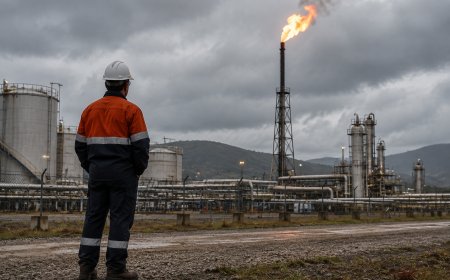
AI companies are building large natural gas plants to power data centres, raising concerns about emissions, energy demand, and environmental impact.
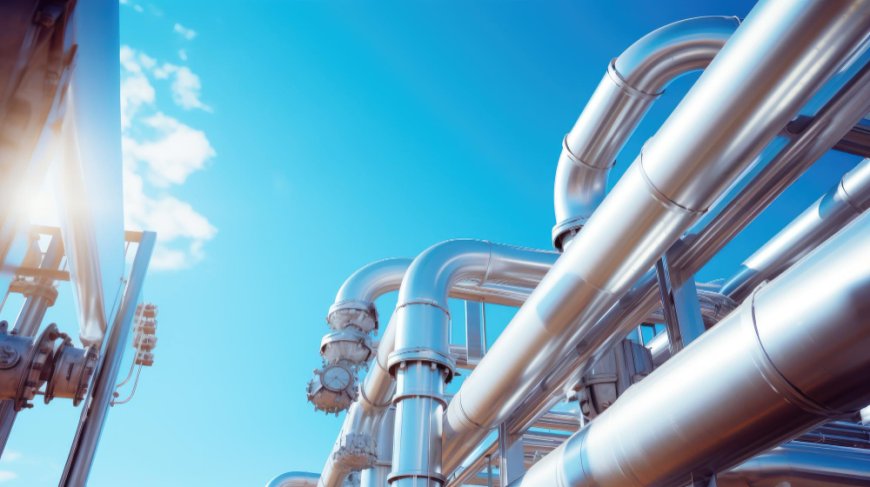
Few forces drive the tech world quite like the fear of missing out. From the dot-com era to Web 2.0, from virtual reality to blockchain, the industry has repeatedly rushed headlong into emerging trends. Now, the current wave of artificial intelligence is producing its own chain reaction — one that is rapidly expanding beyond software into energy infrastructure.
The surge in AI development has triggered an aggressive push to secure electricity for data centres. That demand is now cascading into a broader scramble for natural gas supplies and equipment. If past tech cycles had ripple effects, the AI boom is already generating second- and third-order consequences.
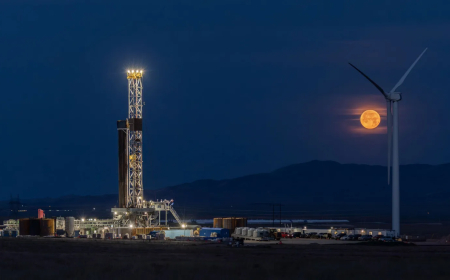
Microsoft revealed on Tuesday that it is partnering with Chevron and Engine No. 1 to construct a natural gas power plant in West Texas that could eventually scale to 5 gigawatts of electricity. Around the same time, Google confirmed its collaboration with Crusoe on a 933-megawatt natural gas facility in North Texas. Meanwhile, Meta recently expanded its ambitions in Louisiana by adding seven more natural gas plants to its Hyperion data centre project, bringing total capacity to approximately 7.46 gigawatts — enough to match the energy usage of an entire U.S. state.
And those are just the most visible examples.
Much of this activity is concentrated in the southern United States, a region rich in natural gas reserves. According to estimates from the U.S. Geological Survey, one area alone holds enough gas to power the entire country for nearly 10 months. It’s no surprise that data centre operators are racing to secure a share of these resources.
This surge in demand is already straining supply chains. The rush to build gas-powered infrastructure has created a shortage of turbines, a critical component of power plants. Industry analysis from Wood Mackenzie suggests turbine prices could climb by as much as 195% compared to 2019 levels by the end of this year. These components typically account for 20% to 30% of a plant’s total cost. New turbine orders are reportedly unavailable until 2028, with delivery timelines stretching to six years.
These realities highlight the scale of the bet being made. Tech companies are effectively wagering that the demand for AI — and the computing power behind it — will continue to grow exponentially, and that natural gas will remain a reliable backbone for meeting that demand.
But that assumption is far from certain.
While the United States has abundant natural gas reserves and is somewhat shielded from global energy disruptions due to limited export dependence, supply is not infinite. Production growth in the country’s three largest shale regions — which together account for roughly three-quarters of output — has slowed in recent years.
At the same time, the financial exposure of these tech companies remains unclear. None has publicly detailed the terms of their energy agreements, leaving open questions about how vulnerable they might be to fast price fluctuations.
Even in scenarios where contracts lock in favourable pricing, broader consequences could still emerge.
Natural gas currently accounts for around 40% of U.S. electricity generation, according to the Energy Information Administration, meaning power prices are closely linked to gas costs. Some companies are attempting to sidestep scrutiny by building “behind-the-meter” power systems — directly connecting gas plants to their data centres instead of relying on the public grid. However, this approach doesn’t eliminate demand pressure; it simply shifts it to the natural gas supply chain.
If consumption continues to rise, the ripple effects could be felt across the broader economy. Households may see higher energy costs, while industries that rely heavily on natural gas — such as petrochemicals — could face increased competition for limited resources.
Weather events add another layer of risk. A particularly harsh winter could sharply increase residential demand, while extreme conditions like those seen in Texas in 2021 could disrupt supply entirely. In such scenarios, energy providers could be forced to make difficult decisions about prioritising between essential heating needs and powering data centres.
By investing heavily in natural gas infrastructure and positioning themselves as “self-powered,” tech companies may argue that they are reducing strain on the electrical grid. In practice, however, they are still drawing from a finite energy system — just a different one.
The rapid expansion of AI has exposed a fundamental reality: even the most advanced digital technologies remain deeply tied to physical resources. As companies continue to chase growth in artificial intelligence, the question becomes whether relying so heavily on a limited fuel source is a sustainable long-term strategy — or a costly overreach driven by the same fear of missing out that has shaped past tech cycles.
What's Your Reaction?
 Like
0
Like
0
 Dislike
0
Dislike
0
 Love
0
Love
0
 Funny
0
Funny
0
 Angry
0
Angry
0
 Sad
0
Sad
0
 Wow
0
Wow
0