

























SpaceX Reportedly Unveils Early AI Handheld Device Prototype for Investors
SpaceX has reportedly showcased an early prototype of an AI-powered handheld device to investors, featuring xAI integration and a custom operating system. Here’s what is known so far.
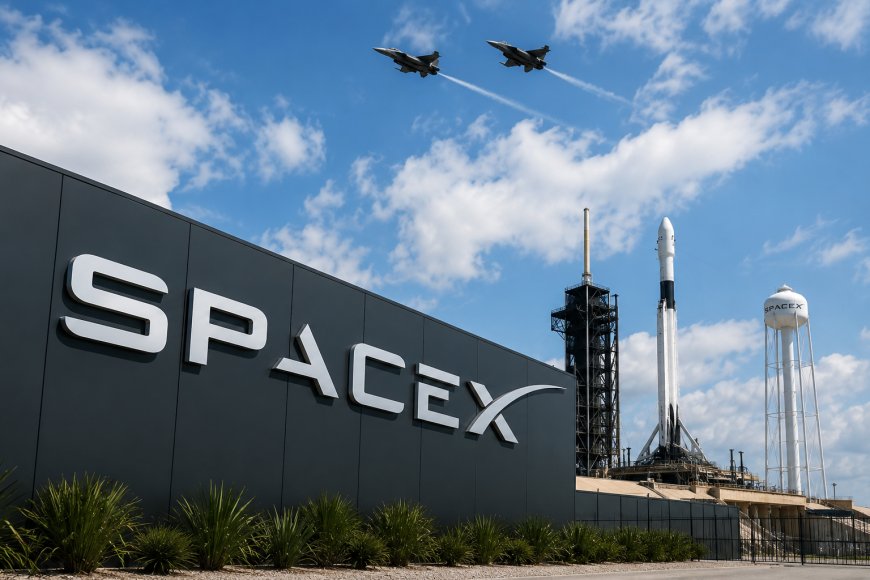
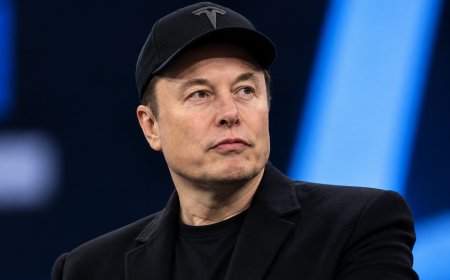
Elon Musk’s SpaceX has reportedly presented investors with a prototype of what has been described as a “handset-like” AI device, according to a report from The Wall Street Journal.
The prototype is said to feature a slimmer, sleeker design than Apple’s iPhone, prompting speculation that it could fall somewhere between a traditional smartphone and AI-focused gadgets such as the Rabbit R1. According to the report, SpaceX showcased the concept to investors and stakeholders ahead of its public debut, while also indicating that the product remains in an early stage of development and that its final design could still evolve.
Musk, however, has publicly rejected the report, describing the claims as “utterly false.”
Even so, SpaceX, together with its sister company Tesla, possesses the manufacturing capabilities needed to produce AI hardware at scale. The companies also have access to advanced computing chips that could support powerful on-device AI processing. In addition, SpaceX has already hinted at expanding further into wireless communications through Starlink Mobile, a move that could eventually place it in competition with major telecom providers such as Verizon and AT&T. One industry analyst has even suggested that acquiring a company like T-Mobile or AT&T could make strategic sense for SpaceX. However, any such deal would almost certainly come with a massive price tag.
At this stage, it remains uncertain whether the reported AI device is simply an experimental concept or part of a broader strategy to launch and market a consumer hardware product. However, one possibility stands out: if OpenAI is pursuing its own AI-first hardware ambitions, Musk may also be interested in developing a competing product with an even stronger vision.
OpenAI has already partnered with former Apple Chief Design Officer Jony Ive on an AI hardware project that CEO Sam Altman has said will offer a more peaceful experience than today’s smartphones. Reports published last autumn indicated that OpenAI was still refining key aspects of the device, and the company has continued to strengthen its hardware team. Just last week, news emerged that Paul Meade, Apple’s Vice President responsible for the Vision Pro headset, had joined OpenAI to support the development of its hardware initiatives.
Like OpenAI’s reported device, SpaceX’s prototype is also said to rely on a proprietary operating system and to integrate technology from xAI, Elon Musk’s artificial intelligence company, which SpaceX acquired earlier this year. Building the device around its own software platform would allow the company to avoid relying on ecosystems such as Google’s Android and to create a product designed around native AI interactions from the ground up.
Still, the market for dedicated AI hardware remains largely unproven. Previous AI devices from companies such as Humane and Rabbit have struggled to achieve widespread consumer success. Developing an AI-powered device is one challenge, but convincing consumers that they need another hardware category is an entirely different one. Whether SpaceX can succeed where others have fallen short remains to be seen.
What's Your Reaction?
 Like
0
Like
0
 Dislike
0
Dislike
0
 Love
0
Love
0
 Funny
0
Funny
0
 Angry
0
Angry
0
 Sad
0
Sad
0
 Wow
0
Wow
0